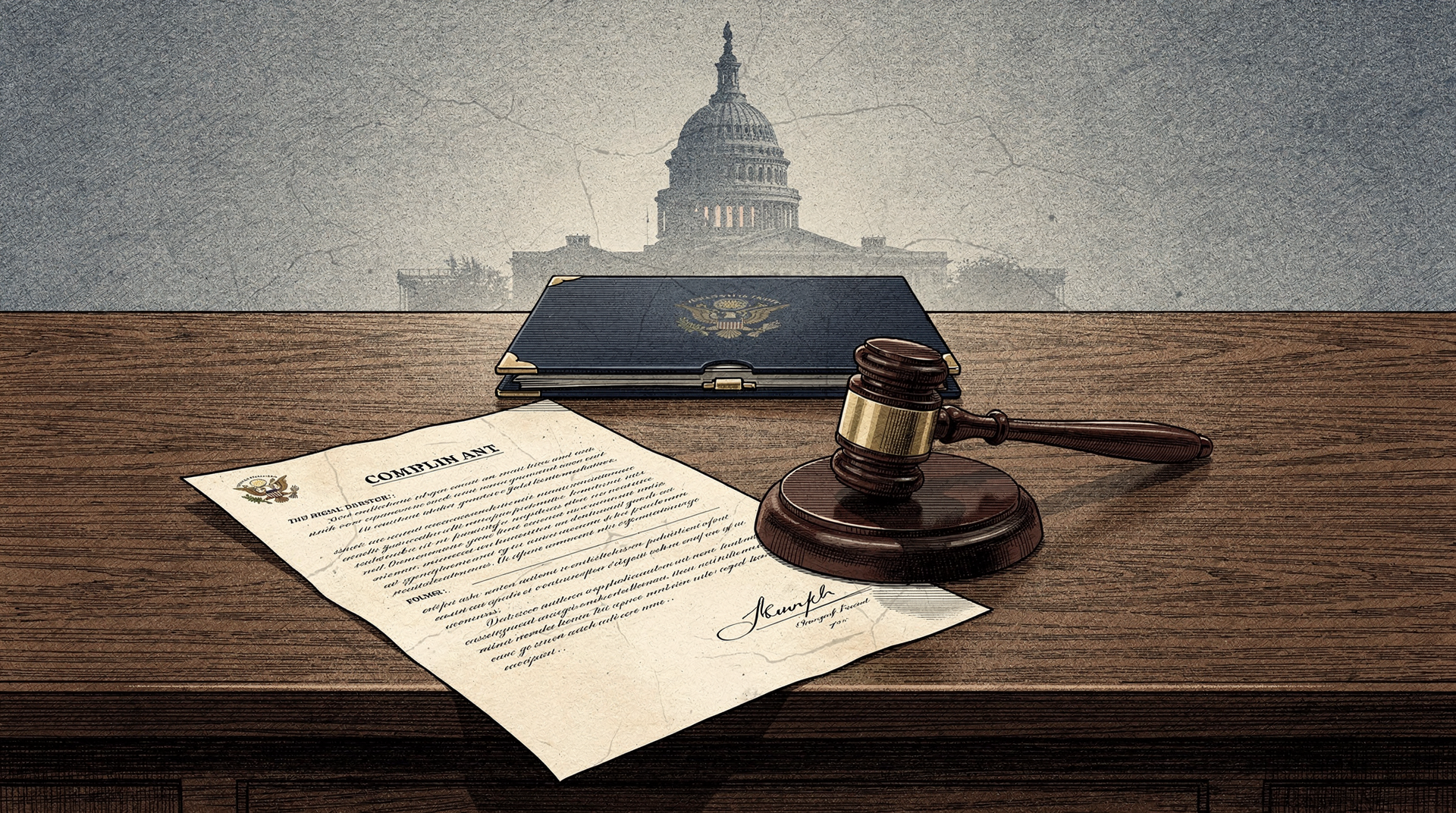
Senate Finance Committee Ranking Member Ron Wyden (D-Ore.) on Monday filed a formal Hatch Act complaint with the Office of Special Counsel accusing HHS Secretary Robert F. Kennedy Jr. of illegally pressuring third-party congressional candidates to withdraw from races in order to protect the Republican majority in the House of Representatives.
The complaint, announced by the Senate Finance Committee, centers on two phone calls Kennedy made in June to Libertarian candidates running for Iowa House seats. The allegation carries weight across multiple domains: healthcare policy (Kennedy runs the government’s largest domestic-budget agency), regulatory enforcement (the Hatch Act), and election integrity months before the midterms.
In a June 11 call to Rick Stewart, a Libertarian candidate in Iowa’s 2nd Congressional District, Kennedy allegedly offered “federal employment or other personal gain” in exchange for withdrawing from the race. Stewart recorded the call. In it, Kennedy said he did not “want to be fighting subpoenas for the next two years” — an apparent reference to the investigations Democratic committee chairs would launch if the party retook the House, according to AP reporting.
In an earlier call on June 8 to Marco Battaglia, a Libertarian in Iowa’s 3rd District, Kennedy reportedly told the candidate, “If this seat flips, it’ll make my life hell.” Wyden’s complaint treats both calls as evidence of a pattern — a sitting Cabinet secretary using his official position to manipulate the electoral landscape for partisan advantage.
“Kennedy has spent sixteen months using his official position to undermine the health and well-being of his fellow Americans, and now he is using his official position to undermine the integrity of democratic elections too,” Wyden wrote in his letter to acting Special Counsel Jamieson Greer. “The quid pro quo offer of federal employment or other personal gain that Kennedy extended to Stewart on the June 11 phone call is conduct expressly prohibited by the Hatch Act, and it also exposes Kennedy to criminal liability under various provisions of federal law.”
The Hatch Act of 1939 prohibits federal employees from using their official authority to interfere with or affect the result of an election. For Senate-confirmed presidential appointees like Kennedy, enforcement is handled by the Office of Special Counsel, which can recommend disciplinary action up to removal — though the final decision rests with the president. The specific allegation of offering government employment in exchange for a candidate’s withdrawal could also implicate 18 U.S.C. § 600, which criminalizes promising employment to influence political activity.
Both Iowa districts are competitive in the 2026 cycle. The Hill reported that the Cook Political Report recently shifted its projection for Iowa’s 2nd District from “likely Republican” to “lean Republican,” and polling in the 3rd District has shown a tight race between incumbent Rep. Zach Nunn and a Democratic challenger.
Wyden urged the Special Counsel to act quickly, warning that the White House has reportedly dispatched Kennedy as a campaign surrogate and that “it is likely that Kennedy’s election interference activities extend far beyond the two phone calls we know about in Iowa.” The complaint lands less than four months before the November midterm elections — with enforcement timelines that may or may not keep pace with the political calendar.