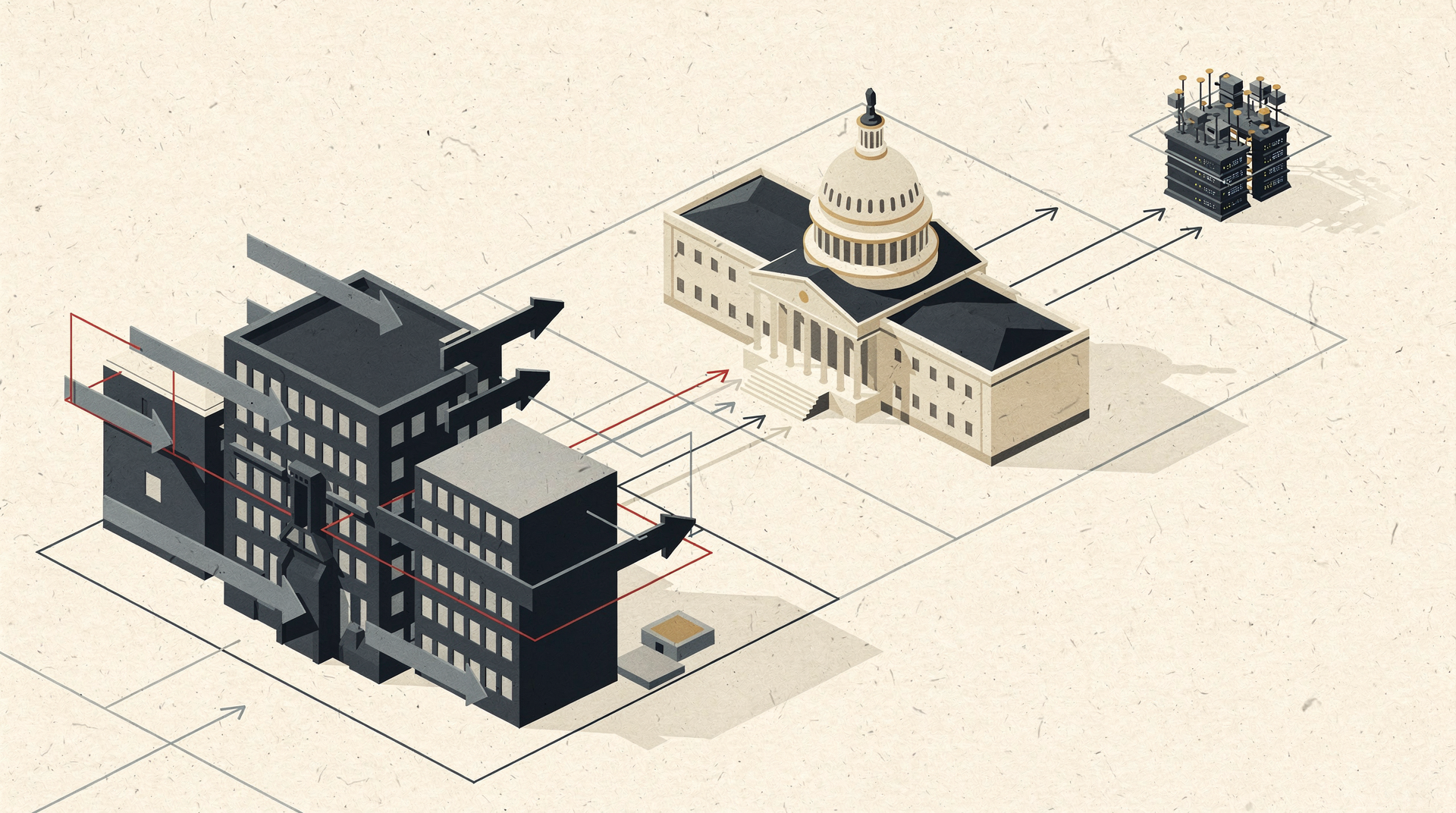



Sen. Elizabeth Warren (D-MA) on Monday sent letters to the Department of Defense and eight major technology companies demanding answers about military AI contracts and calling for the public release of full contract texts, escalating a confrontation over the Pentagon’s rapid and largely opaque deployment of artificial intelligence across classified operations.
The letters — addressed to DoD, Google, SpaceX, NVIDIA, Reflection, Microsoft, Amazon Web Services, and Oracle — represent the most detailed congressional demand for transparency since the Pentagon announced on May 1 that it had reached agreements with those companies to deploy AI on classified military networks at Impact Level 6 and Impact Level 7, the military’s highest security classifications.
Warren’s central concern targets the contractual standard governing these deployments. The Pentagon has reportedly pressured companies to accept a broad “any lawful use” standard, abandoning specific safety guardrails that would limit AI use for autonomous weapons and domestic surveillance. “Any standard that allows for all lawful use leaves the door wide open to gross violations of domestic civil liberties and civilian harm,” Warren wrote.
For the defense contracting industry and AI companies navigating federal procurement, the letters create immediate compliance and reputational pressure. Warren specifically challenged DoD’s decision to award a contract to Reflection AI, a company that has not publicly released an AI model, and requested information about any communications between Defense Department officials and Donald Trump Jr. or his representatives related to that award.
The oversight action builds on the Pentagon’s high-profile dispute with Anthropic, which refused to adopt the broad usage standard and was subsequently designated a “supply chain risk” by the administration — a move that Anthropic successfully challenged with a court injunction in March. Breaking Defense reported that the eight companies’ AI systems are now approved for networks handling both secret and top-secret data, as part of Defense Secretary Pete Hegseth’s push to build an “AI-first fighting force.” Pentagon CTO Emil Michael described the effort as a move away from reliance on any single AI vendor.
Warren also raised concerns about AI deployment in the context of the Iran conflict, writing that “DoD appears to have forged ahead in expanding AI use throughout the military, including as part of President Trump’s illegal war in Iran, while releasing no meaningful information about contractual guardrails.” Her March investigation into DoD’s treatment of Anthropic had previously established a record of Pentagon pressure on companies to drop safety restrictions.
The contracts carry significant financial weight. TechCrunch previously reported that Pentagon leaders last summer unveiled individual contracts with AI companies each worth up to $200 million, and that more than 1.3 million DoD personnel have already used the department’s GenAI.mil platform for tasks ranging from data analysis to document drafting.
Warren set a July 20 deadline for responses, demanding specific information about which AI products are used in classified systems, what situations trigger their use, and whether the agreements permit AI deployment for domestic mass surveillance or lethal autonomous weapons. The responses — or the lack thereof — could shape upcoming AI regulation debates and defense appropriations oversight throughout the fall.