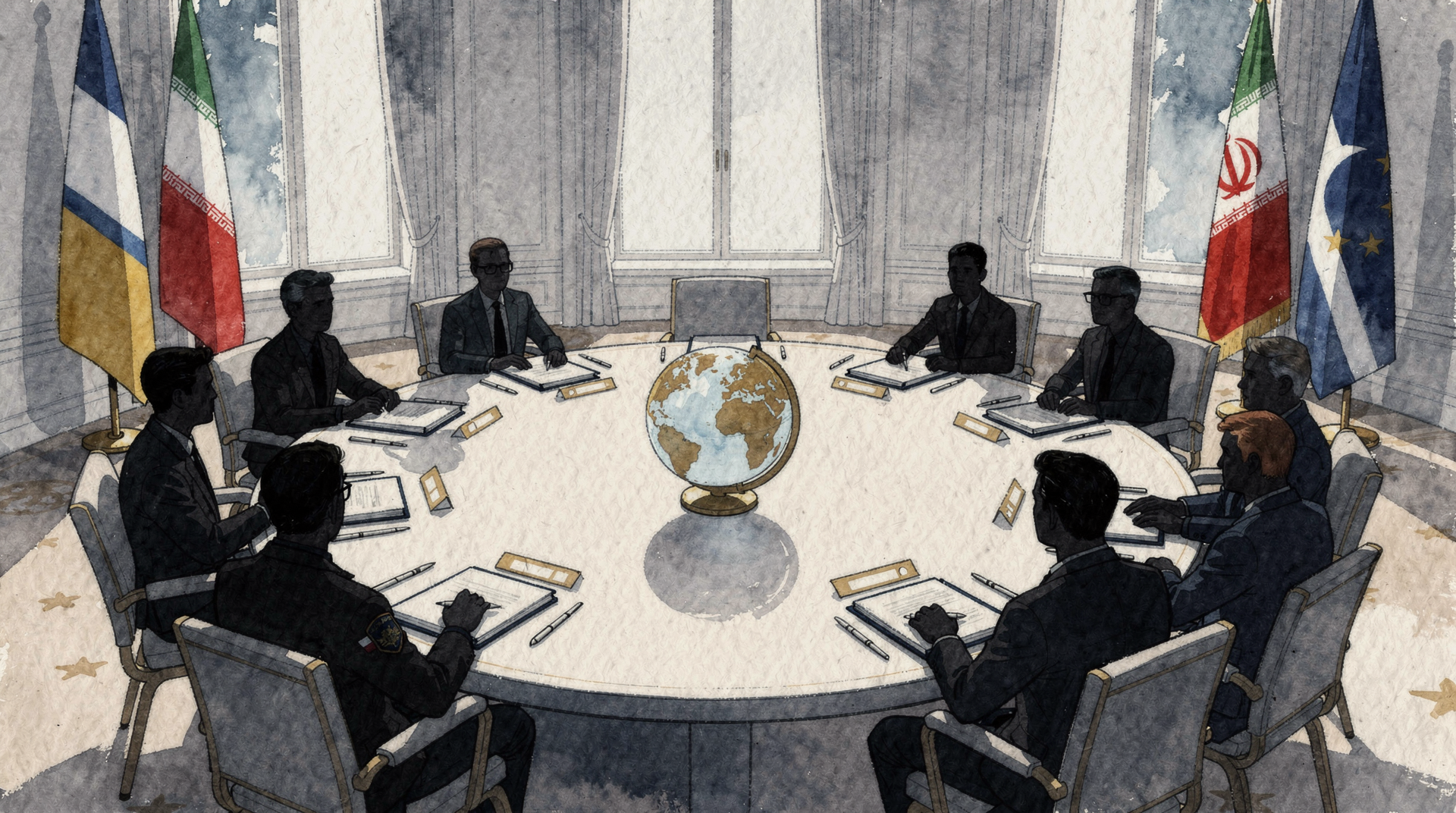
The US military completed its 11th consecutive night of airstrikes against Iran on Tuesday, targeting aircraft hangars and drone storage facilities, according to AP reporting carried by WTOP.
The sustained tempo of operations — nearly two weeks of nightly strikes — signals an extended military campaign whose scope, legal authorization, and strategic objectives are drawing increased attention from Congressional defense and intelligence committees. Members of both the House Intelligence Committee and the Senate Intelligence Committee have been monitoring the operation closely, and calls for formal briefings on the legal basis for continued strikes are expected to intensify in the coming days.
Tuesday’s strikes focused on degrading Iran’s aerial warfare capabilities, hitting infrastructure used to house manned aircraft and store unmanned drone systems. The Pentagon has not publicly outlined a comprehensive list of targets hit across the 11-night campaign or provided a detailed assessment of damage inflicted on Iranian military capacity. The absence of public damage assessments has made it difficult for lawmakers and analysts to evaluate whether the campaign is achieving its stated military objectives.
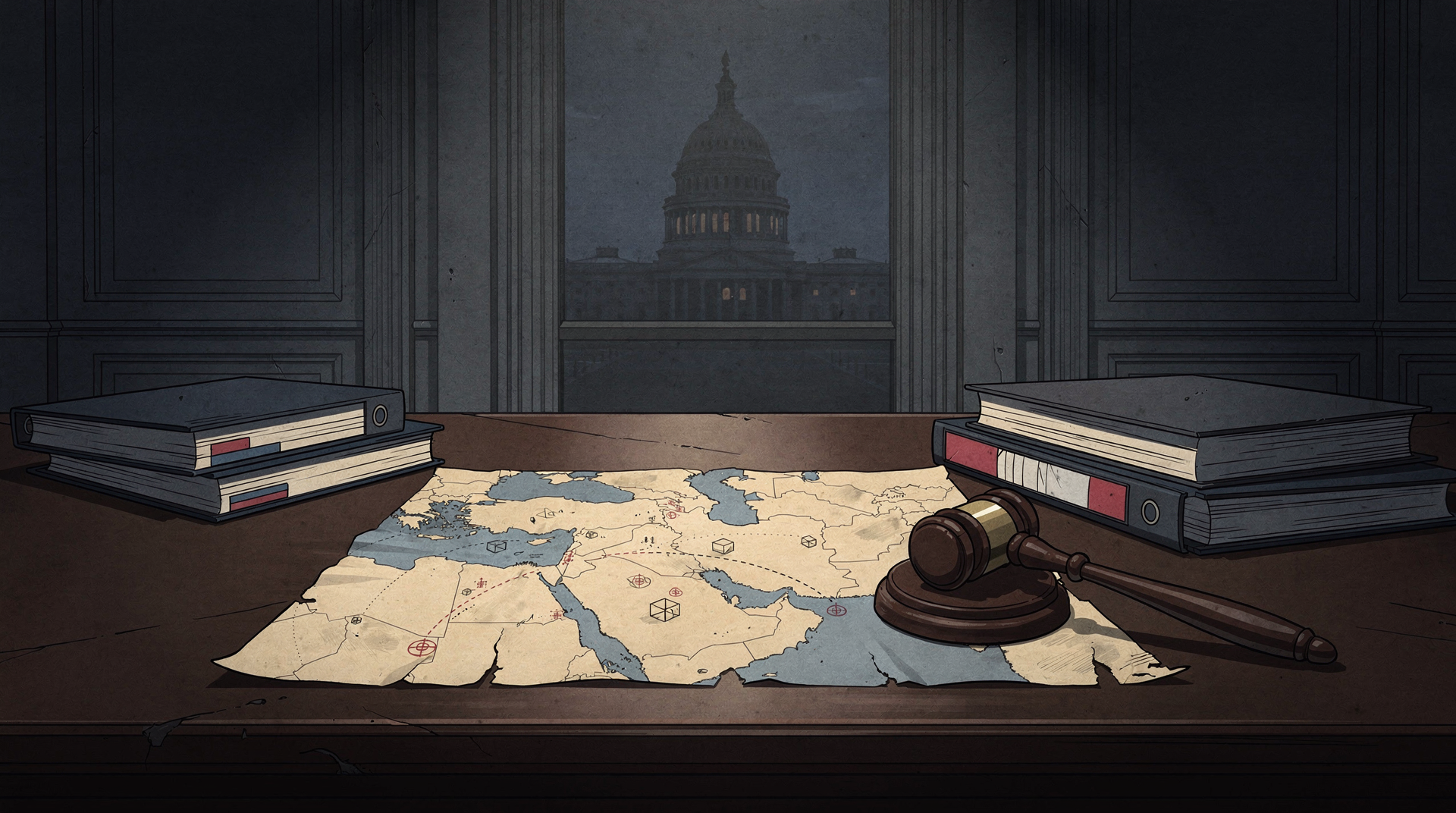
The legal authority underpinning the operation remains a central point of debate in Washington. The administration has not specified whether it is relying on the 2001 Authorization for Use of Military Force, the president’s Article II commander-in-chief powers, or some other legal framework. The War Powers Resolution requires the president to notify Congress within 48 hours of introducing armed forces into hostilities and limits sustained military action without Congressional authorization to 60 days, with a 30-day withdrawal period. With 11 nights of strikes already completed, the clock on those notification and authorization requirements is ticking.
The Iran strikes coincide with the administration’s approval of a 30-year nuclear cooperation agreement with Saudi Arabia, suggesting a broader realignment of US policy in the Middle East. Taken together, the two developments indicate a willingness to simultaneously pressure Tehran militarily while deepening the security partnership with Riyadh — a combination that carries significant implications for Israel and other regional allies who are recalibrating their own defense postures.
Defense policy analysts in Washington have noted that 11 consecutive nights of strikes represent a significant escalation beyond the retaliatory or one-off strikes that have characterized past US military actions against Iranian targets and proxies. The sustained nature of the campaign suggests objectives that extend beyond deterrence into a more systematic effort to degrade Iranian military infrastructure — a posture that risks drawing the United States into a longer and more costly commitment.
The Senate Homeland Security Committee and relevant armed services panels are expected to seek additional details on the campaign’s rules of engagement, civilian casualty assessments, and the administration’s criteria for concluding the operation. Meanwhile, regional allies are watching for signals about whether the strikes are a precursor to a broader military strategy or a finite campaign with clear termination conditions. What the Pentagon defines as success — and how Congress responds to the ongoing use of military force without explicit new authorization — will shape the political and legal landscape around the operation in the weeks ahead.