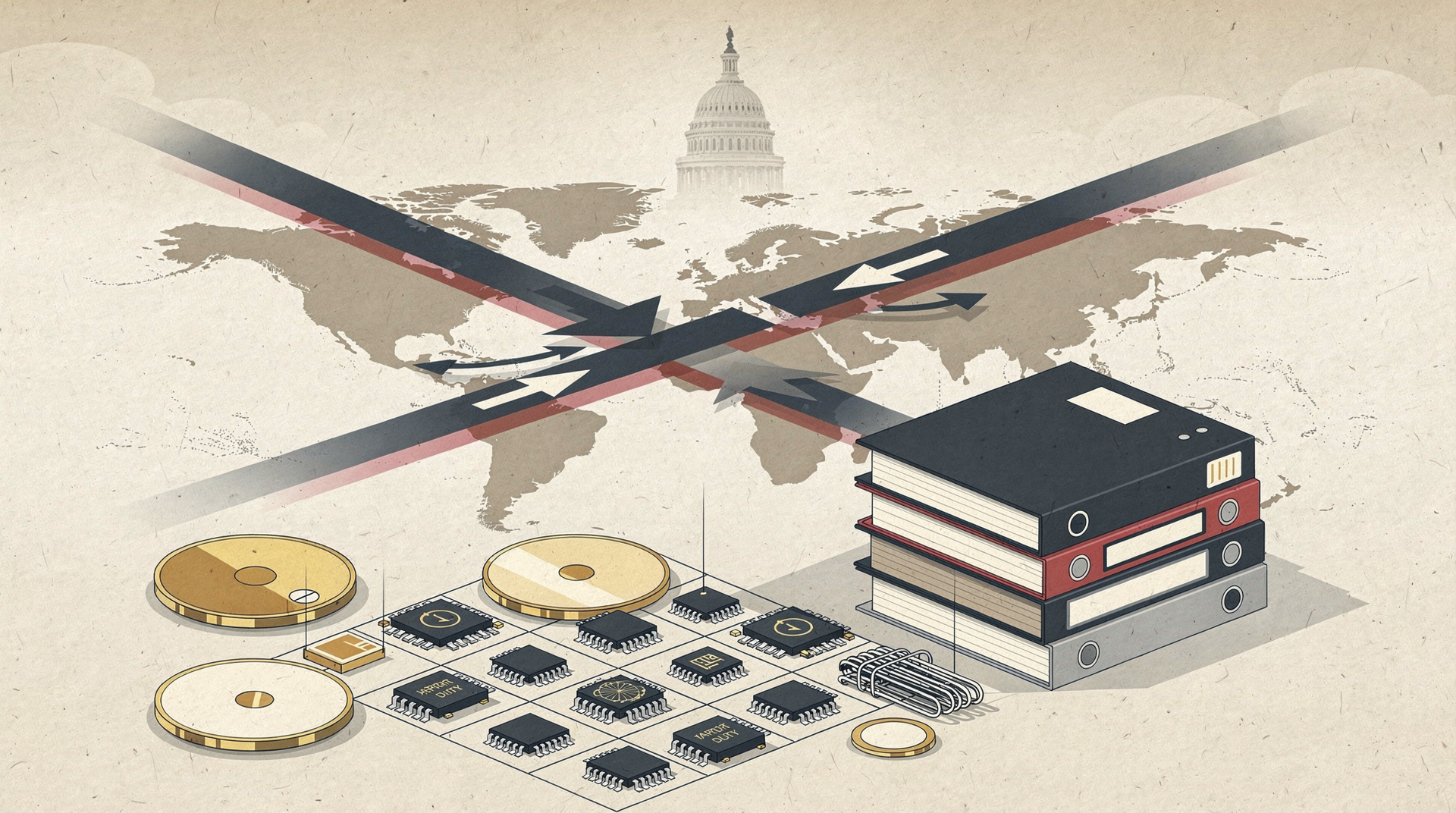


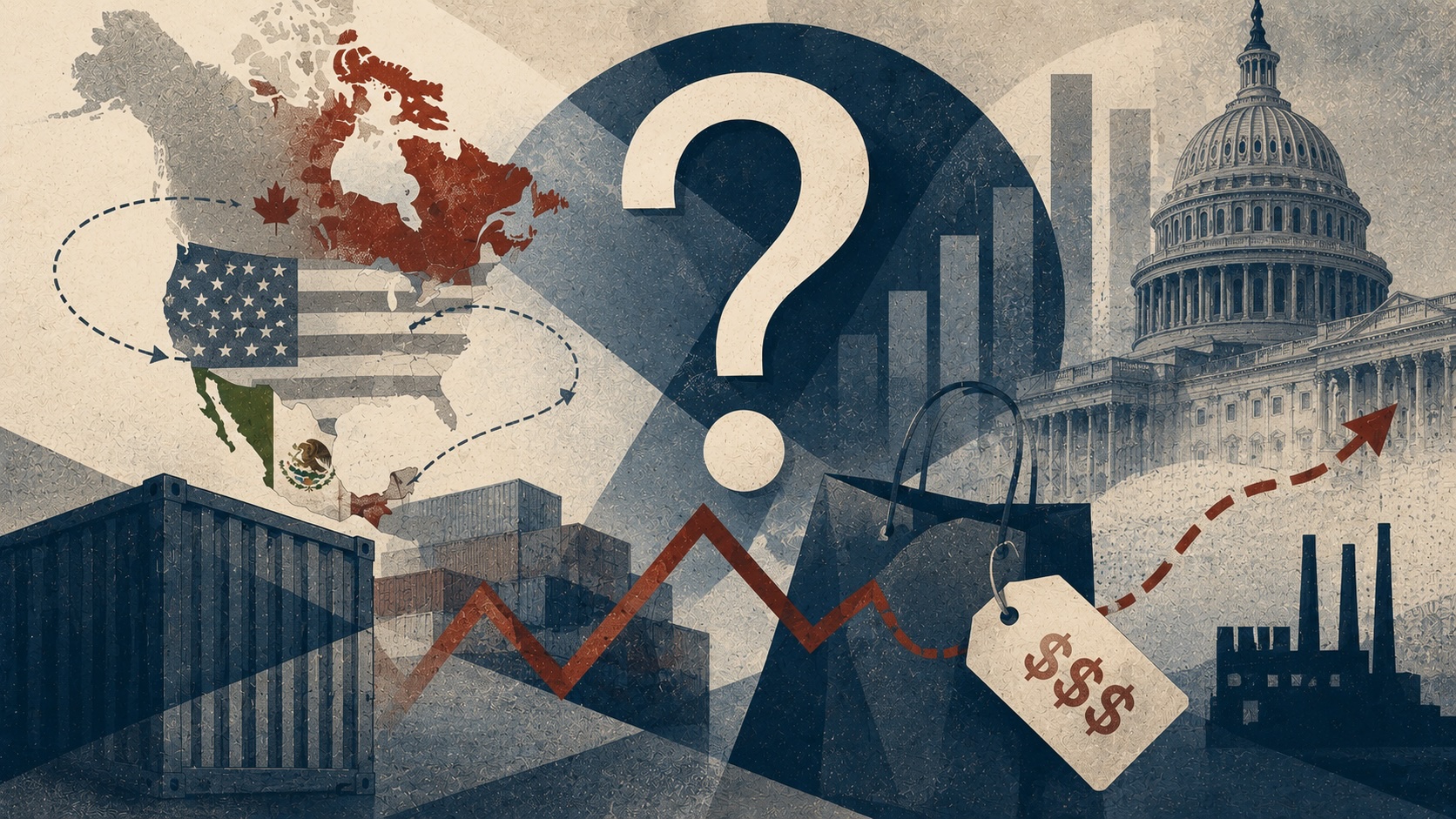
The Trump administration chose Canada Day to tell Canada — and Mexico — that it would not renew North America’s core trade pact in its current form, a timing choice that may have been coincidental but landed as a pointed signal in an already strained trade relationship.
U.S. Trade Representative Jamieson Greer said the United States, Canada and Mexico met virtually for the agreement’s required July 1 joint review, but that Washington “did not agree to renew the USMCA in its current form.” Greer said the agreement remains in force while the United States seeks to address what it views as shortcomings in the pact and trade deficits with Canada and Mexico. The administration plans another bilateral negotiating round with Mexico during the week of July 20.
The immediate effect is not the collapse of the agreement. USMCA remains operative, and its expiration date is still 2036 unless the parties agree to extend, revise or terminate it earlier. But the decision starts a new phase in which the pact’s future will be revisited annually, a structure that may preserve leverage for Washington while reducing the long-term certainty businesses typically need to make cross-border investment decisions. Reuters reported that Canada reaffirmed its commitment to the agreement, while Mexican President Claudia Sheinbaum said the pact could still be extended during the next decade.
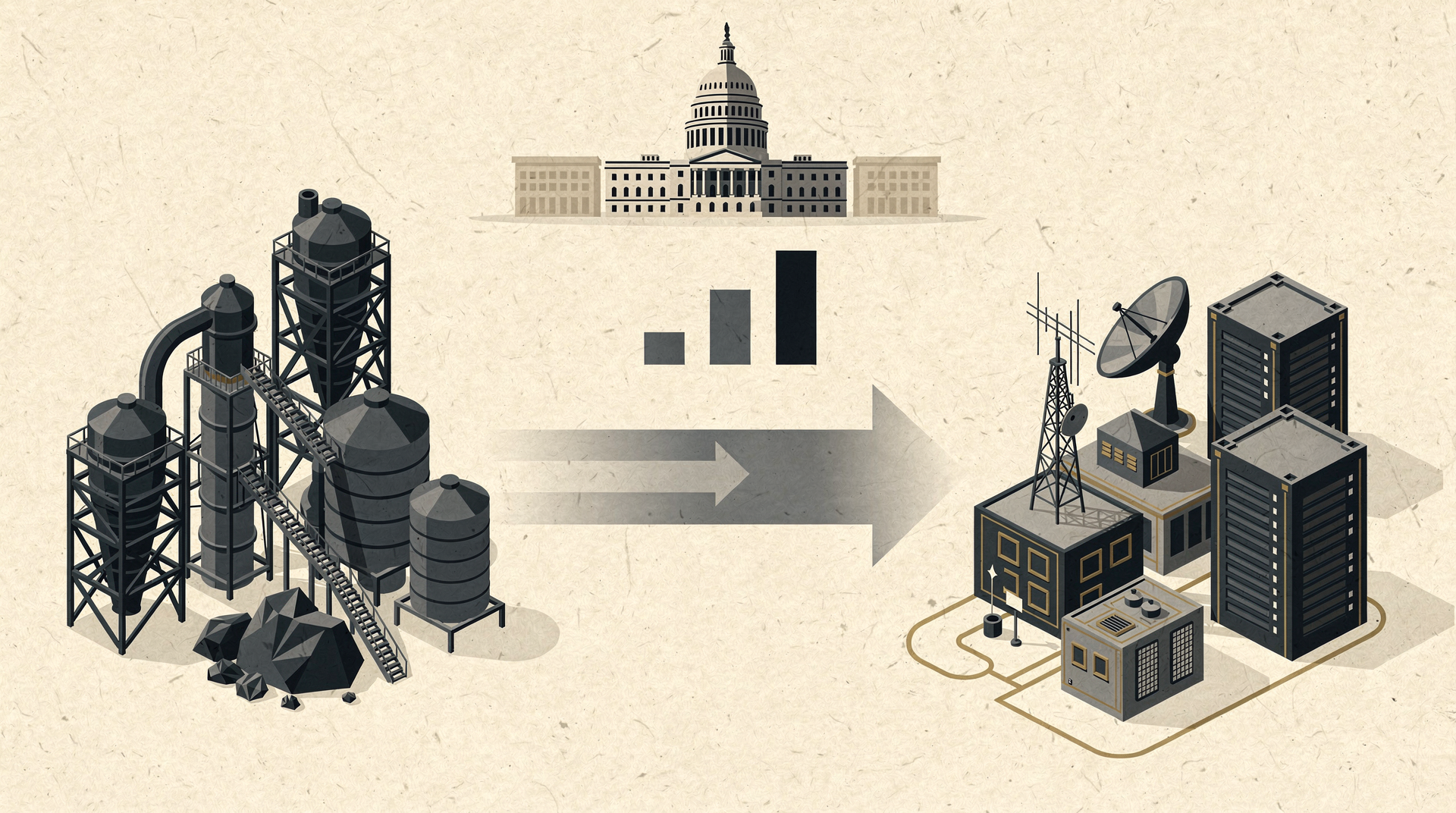
The administration’s case rests partly on trade deficits and domestic manufacturing, two arguments that are politically powerful but economically less straightforward than the White House framing suggests. Trade deficits are not, on their own, a measure of whether a trade agreement is succeeding or failing. They can reflect differences in savings, investment, currency flows, consumer demand, energy markets and the structure of cross-border production. In the North American context, the deficit argument is further complicated by the fact that many imports from Canada and Mexico are not finished consumer goods competing directly with U.S. production, but inputs used by American manufacturers.
That distinction matters for consumers and businesses. If Washington seeks to reduce bilateral deficits by making North American imports more expensive or harder to qualify for tariff-free treatment, the result may not be a simple shift toward U.S.-made goods. It could instead raise costs for U.S. factories that rely on Canadian and Mexican parts, materials, agricultural products or energy inputs. Those costs can then move through supply chains into prices for vehicles, groceries, household goods and industrial equipment.
Business groups have warned that the integrated nature of North American trade makes disruption risky. In February testimony to the Senate Finance Committee, the U.S. Chamber of Commerce said USMCA “remains critical” because it preserves trade ties with Canada and Mexico. The Chamber said more than 13 million American jobs depend on trade with the two countries, which also account for one-third of U.S. agricultural exports and are the top two export destinations for U.S. small and midsize businesses. It also warned that many imports from Canada and Mexico are basic materials, parts and components “essential to the competitiveness of U.S. industry.”
Manufacturers have made a similar case. A May report from the National Association of Manufacturers said companies are focused on ensuring USMCA is “renewed and strengthened for the long term,” calling continuity of the trilateral agreement essential to preserving U.S. manufacturing competitiveness. The report included manufacturer concerns that investment and hiring plans depend on “clear rules of the game.”
That does not mean the agreement is beyond revision. The administration may pursue tighter auto-content rules, stronger enforcement of labor provisions, action against transshipment or new limits on China-linked inputs moving through Mexico or Canada. Those are concrete trade-policy questions. But they are different from treating bilateral deficits as proof that USMCA has failed. A deficit-focused strategy could produce pressure without necessarily producing more U.S. manufacturing capacity, especially if higher input costs make American production less competitive.
Agriculture could be among the most exposed sectors if the dispute escalates. Testimony submitted to the House Agriculture Committee last month said USMCA has supported U.S. agribusiness and food security by expanding market access, preserving access to critical inputs and providing certainty for integrated supply chains. Mexico was the top destination for U.S. agricultural exports in 2025, with $30.6 billion in purchases, while Canada ranked second at $28.2 billion, according to the testimony.
Trade experts have warned that the annual-review path itself carries economic costs. CSIS analysts described the 2026 review as a “defining test” for North American cohesion and global competitiveness. They said a breakdown in cooperation would expose each country to higher costs and reduced efficiencies, especially in manufacturing, agriculture and energy. In agriculture, CSIS warned that tariffs, inspections and inconsistent standards could mean higher food prices for consumers and lower margins for producers.
The consumer-price effect will depend on how far Washington pushes and how Canada and Mexico respond. Prior tariff episodes suggest costs are often shared among consumers, businesses and exporters, but not evenly. Reuters reported this week that consumers bore roughly 90% of added tariff costs in recent tariff measures, contributing to higher core-goods inflation, though some macroeconomic effects were muted by exemptions and trade-agreement carve-outs.
The practical question now is whether the administration uses the review process to modernize USMCA while preserving its trilateral structure, or whether annual reviews become a standing source of uncertainty over North American commerce. For businesses, the rules have not changed overnight. The policy risk has.