

President Trump announced on Saturday evening that he was canceling a planned military strike on Iran after Gulf allies reached what he described as “parameters of a deal” to end the five-month-old conflict, a sudden pivot that sent oil prices tumbling nearly 5% on Monday.
The decision, disclosed via Truth Social, came after Saudi Crown Prince Mohammed bin Salman called Trump on Saturday to urge restraint, warning that further escalation could trigger Iranian retaliation against Gulf energy infrastructure, according to an Associated Press report citing a person familiar with the conversation. Qatar, Saudi Arabia, and the United Arab Emirates all pressed for a diplomatic resolution. The discussion was first reported by Axios.
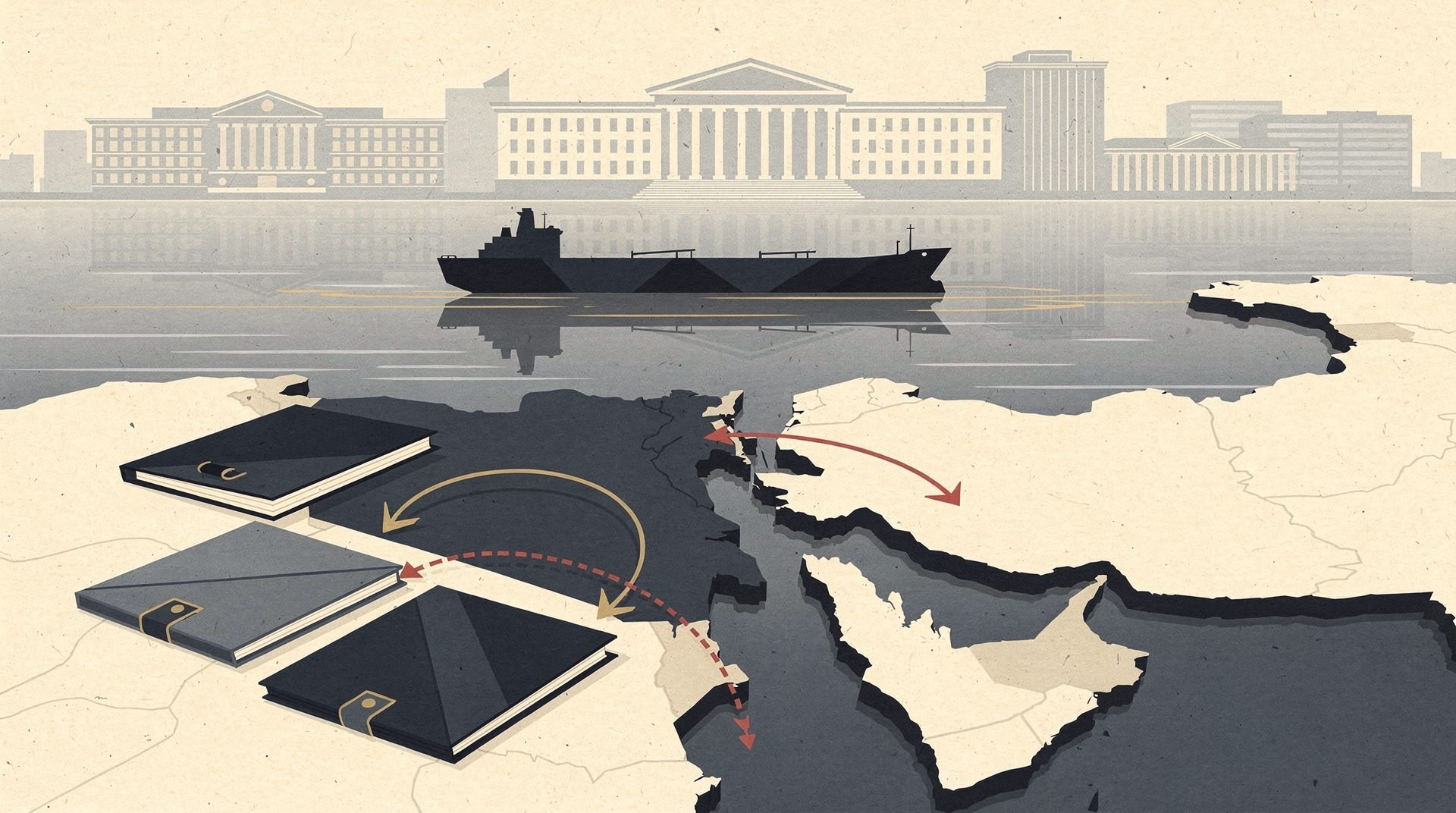
For Washington’s national security establishment and energy-dependent consumers alike, the announcement marked a critical inflection point in a war that has disrupted global shipping and rattled commodity markets since February. The Strait of Hormuz — through which roughly one-fifth of all traded oil and natural gas normally flows — has been effectively closed to commercial shipping since Iran began attacking vessels earlier this year. Trump said the emerging deal would include the “complete and total opening of the Hormuz Strait and an end to Iran’s nuclear threat.”
Oil markets responded swiftly on Monday. West Texas Intermediate crude fell nearly 6% to $79.66 per barrel, while Brent crude dropped 5.16% to $83.39, according to CNBC, reversing a 20%-plus rally in July driven by escalating hostilities and tanker attacks near Oman. The price decline carries direct implications for U.S. consumers who have faced elevated gasoline prices for months.
The president said the U.S. military had been “locked and loaded” and prepared to display “levels of Military Terror, Strength, and Power not seen since World War II.” Speaking to reporters on Air Force One on Sunday, Trump said new talks would begin on Monday.
Iran responded cautiously. Acting Defense Minister Seyyed Majid Ibn Al-Reza said Tehran considers “every threat to be real.” Iran’s semi-official Fars news agency dismissed Trump’s stated deal terms as a “wish list,” according to CNBC reporting. Iranian military officials also rejected Trump’s claim that Tehran had requested the strike be called off, calling it a “new lie” designed to “blackmail Persian Gulf rulers.”
Whether the latest diplomatic opening holds remains an open question. An interim ceasefire reached in mid-June collapsed within weeks when Iran resumed attacks on Strait of Hormuz shipping. The crown prince had dispatched his brother, Saudi Defense Minister Khalid bin Salman, to Washington on Wednesday for separate meetings with Trump and Vice President JD Vance on Iran strategy. Israeli Prime Minister Benjamin Netanyahu met Trump at the White House on Tuesday and urged continued prosecution of the war.
The conflict, which began on Feb. 28 when the U.S. and Israel struck Iran, remains deeply unpopular domestically as the November midterm elections approach. White House press secretary Karoline Leavitt noted that Tehran had signed a memorandum of understanding on a truce last month but then “broke it, shot at commercial ships, and killed American soldiers.”
The U.S. State Department on Saturday issued security alerts for Americans in 10 countries across the region, warning of potential flight cancellations and airspace closures. Meanwhile, Kuwait’s military reported Saturday that Iranian drones struck “a number of vital facilities” in the country’s north, and the British Navy reported a tanker struck in the Strait of Hormuz off the coast of Oman — underscoring the fragility of any ceasefire framework even as diplomacy accelerates.