

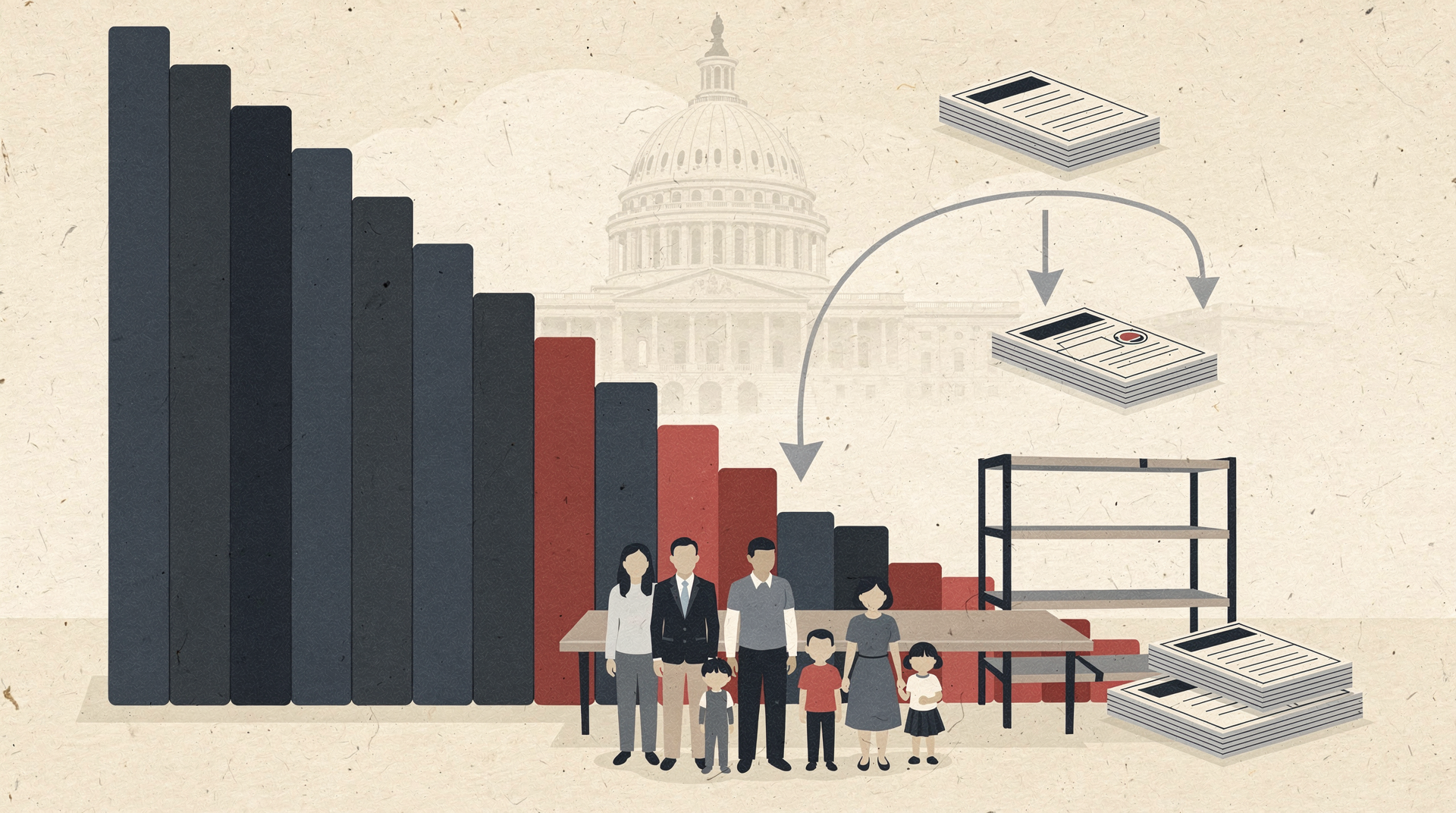
More than 4 million Americans — roughly 10 percent of all participants — have lost food assistance through the Supplemental Nutrition Assistance Program since the Republican megabill was enacted in July 2025, according to a tracker published Sunday by the Center on Budget and Policy Priorities.
The state-level data reveals sharply uneven impacts that will shape appropriations and farm bill debates for years to come. Arizona has seen a 53 percent decline in SNAP enrollment between July 2025 and March 2026 — by far the steepest in the nation. Louisiana recorded a 21 percent drop using more recent state data through May 2026, while Florida saw a 20 percent decline. Oklahoma fell nearly 16 percent. The Congressional Budget Office projects the law will cut SNAP by nearly $187 billion through 2034, the largest reduction in the program’s history.
The scale of the cuts is already reshaping the national food-assistance landscape. CBPP estimates that in the 13 states reporting data by age, the number of children receiving SNAP fell by roughly 808,000 since the law’s enactment — accounting for nearly half of the 1.7-million-person decline in those states. Arizona alone lost more than 195,000 children from its rolls, a 52 percent drop. Texas saw 291,000 fewer children receiving benefits, a 17 percent decline.
The megabill, H.R. 1, drove the reductions through several mechanisms: expanded work requirements now extend to adults up to age 65 and to parents of children 14 and older; eligibility was tightened for people with lawful immigration status; and states’ ability to waive time limits in areas with few job opportunities was substantially narrowed. Exemptions for veterans, people experiencing homelessness, and former foster youth were eliminated.
A ProPublica analysis published June 17 found that children have become “collateral damage” of the changes, with at least 776,000 fewer children receiving food assistance despite Republican lawmakers’ assurances during debate that the bill would not affect vulnerable populations. “If you have young children at home, your benefits are unaffected by this bill,” Rep. Dusty Johnson (R-S.D.) said during committee debate last year — a claim the data now contradicts.
Katie Bergh, a senior policy analyst at CBPP, told ProPublica that states focused on complying with the new rules are less likely to focus on keeping the program accessible. Increased paperwork requirements are also pushing eligible families off the rolls, experts said.
Starting in October, states will face additional fiscal pressure: they will begin covering 75 percent of SNAP’s administrative costs, up from 50 percent. A further cost shift based on state error rates takes effect in October 2027. CBPP warned that the magnitude of these shifts “may incentivize states to take drastic measures to reduce their payment error rates quickly and cut program costs, even if it means delaying or improperly denying benefits to eligible people.”
The tracker, which CBPP plans to update regularly with both federal and state data, is positioned to become a central reference point in upcoming legislative fights. Stateline reported that food pantries across the country are already reporting surging demand, with some reporting they have swapped out staple proteins for cheaper alternatives as displaced SNAP recipients seek help. Whether congressional moderates have any appetite for adjustments remains an open question, with fall appropriations providing the next legislative window.