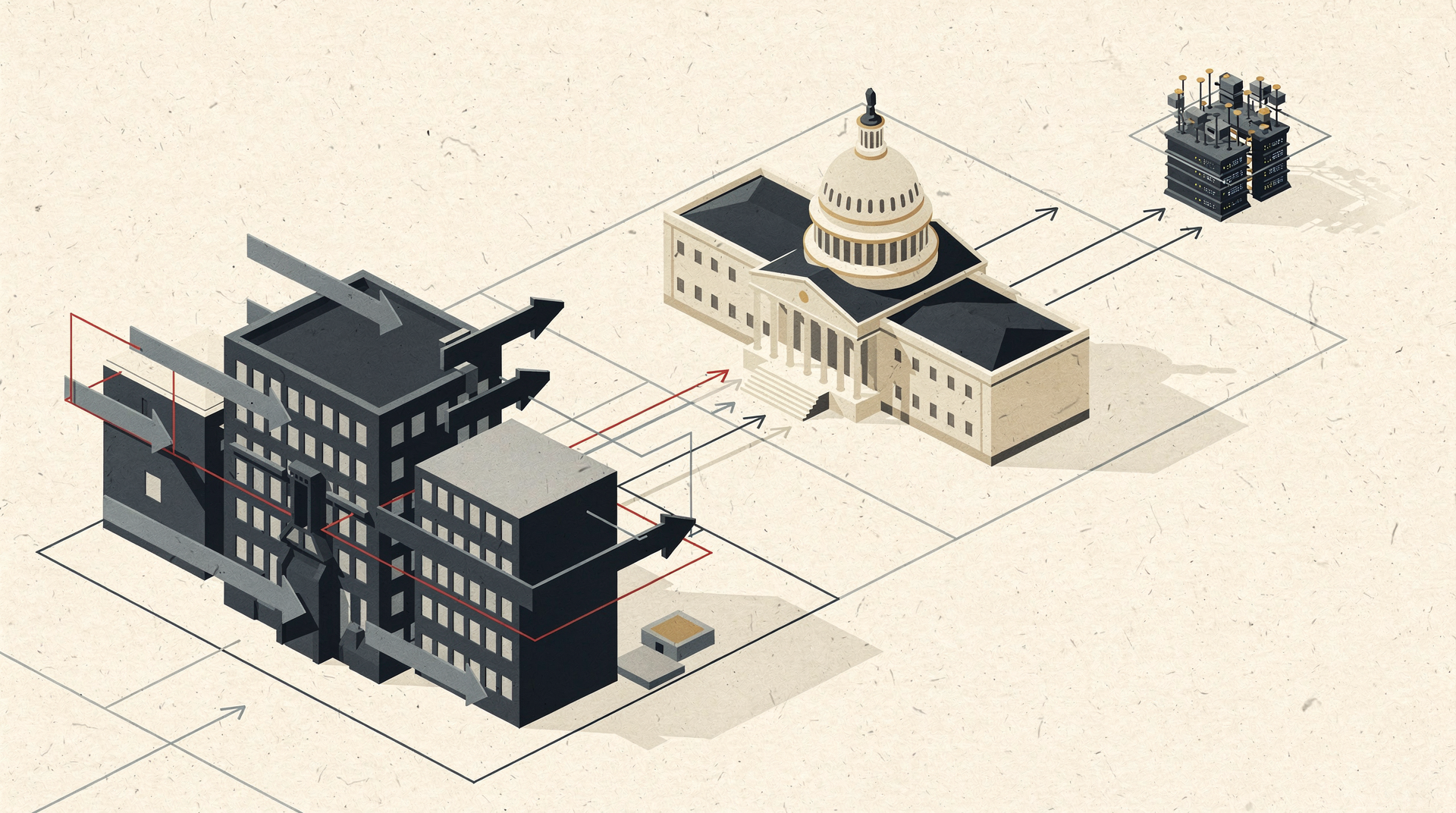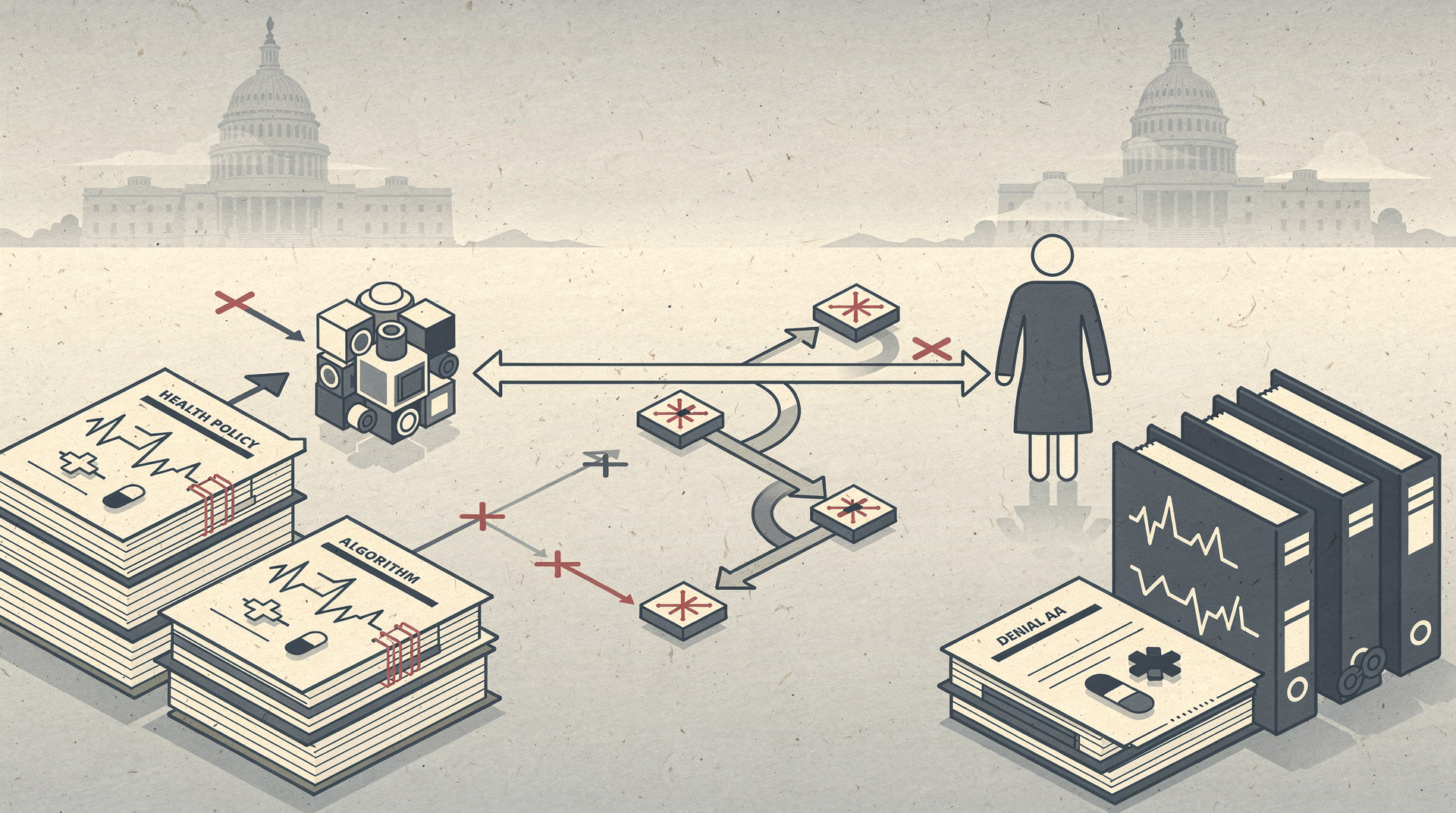
The Senate voted on Thursday on a measure to end the Trump administration’s experiment using private AI companies to review and deny care claims in Traditional Medicare — the first direct congressional challenge to AI-driven prior authorization in the federal healthcare system. Republicans blocked the measure on a party-line vote of 46 to 50.
Senate Finance Committee Ranking Member Ron Wyden (D-Ore.) led the effort, delivering remarks ahead of the vote in which he argued that President Trump’s pledge not to touch Medicare “has been broken.” The administration’s program, known as WISeR — Wasteful and Inappropriate Service Reduction — launched in January 2026 and operates in six states: Arizona, New Jersey, Ohio, Oklahoma, Texas, and Washington.
“Seniors in six states across the nation are discovering that care their doctor has recommended for them has been slowed or halted by a shadowy, AI-driven third party,” Wyden said in prepared remarks.
Under WISeR, private AI contractors review claims for specific procedures — including knee arthroscopies, nerve stimulation, steroid injections, and cervical fusions — before the care can proceed. Wyden cited cases of seniors with severe back pain forced to wait weeks for relief while AI systems processed denials, saying the program overrides “decisions between doctors and patients.”
The program’s introduction of prior authorization into Traditional Medicare represents a significant policy shift. Medicare’s fee-for-service system has historically operated without the preapproval requirements common in private insurance and Medicare Advantage plans. Wyden noted that in 2024, insurance companies selling Medicare Advantage plans denied more than 4 million prior authorization requests — and that when those denials were appealed, they were overturned 80 percent of the time, suggesting the practice is used to deter legitimate care rather than prevent unnecessary treatment.
An investigation by KFF Health News and Fierce Healthcare documented widespread confusion and delays in the pilot states since the program’s January launch. Patients reported unexpected preapproval requirements, additional clinic visits, and prolonged wait times. Doctors in the pilot states described the rollout as “horrendous.” Government contractors acknowledged the pace was “aggressive,” with some vendors still adding features to their AI systems months after going live.
The Hill reported that the White House pushed back against the Democratic bill ahead of the vote, with CMS officials distributing materials to lawmakers’ offices touting the program’s benefits.
The administration has defended WISeR as a tool to combat waste, fraud, and abuse, pointing to a nearly 700 percent surge in Medicare spending on skin substitute procedures over two years. But Wyden noted those procedures account for a fraction of the care subject to the model — less than 1 percent of services requiring prior authorization in Washington state — and that CMS had already lowered payment rates to address the underlying problem.
The vote’s failure along party lines leaves the AI pilot intact for now. But the debate has elevated prior authorization in Traditional Medicare as a live regulatory and political issue — one that could intensify as the program’s six-year authorization runs through 2031 and as midterm campaigns bring healthcare costs to the foreground.