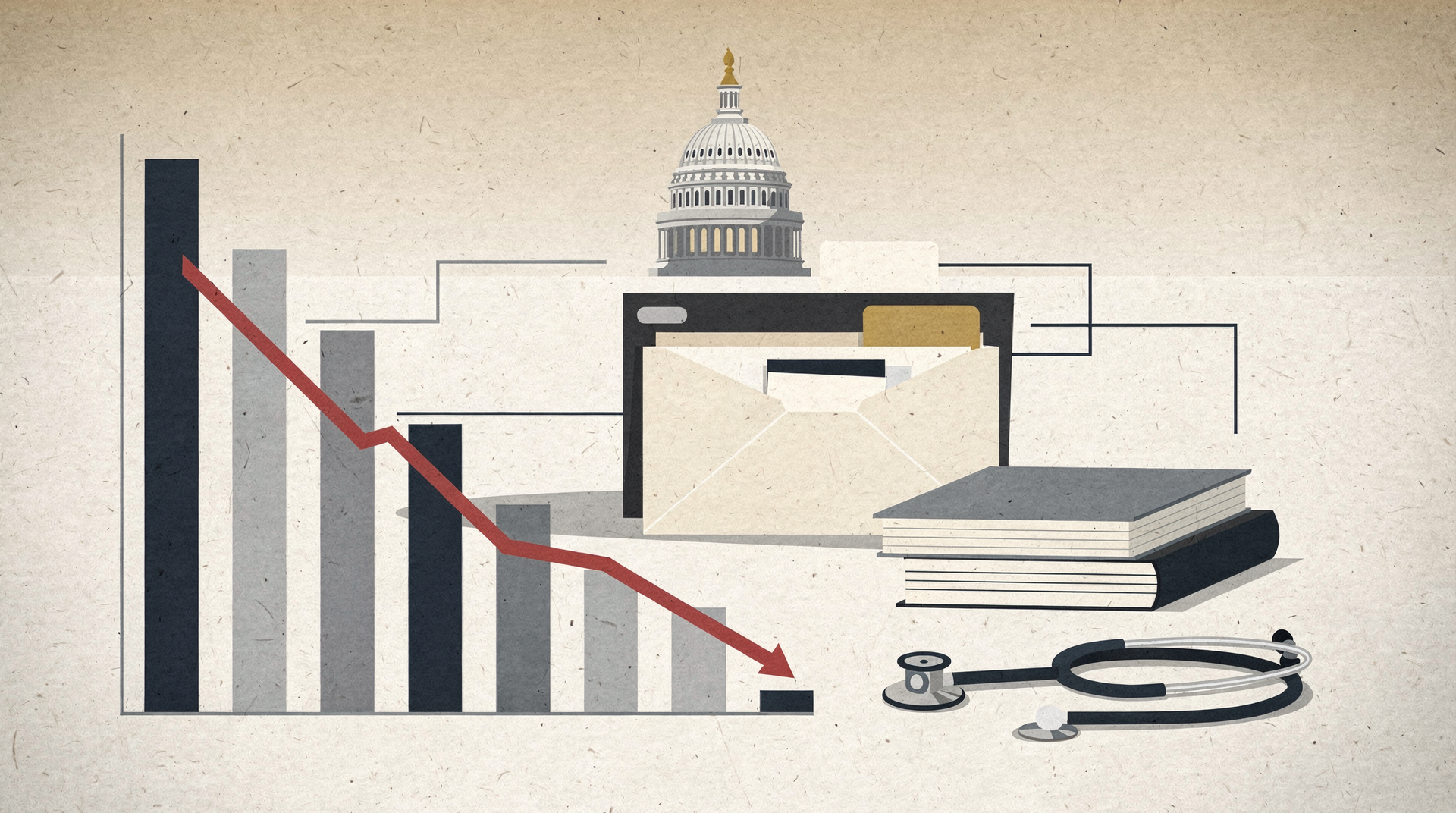


One in four Americans who held Affordable Care Act marketplace health insurance have dropped their coverage in the year since the One Big Beautiful Bill became law, according to a joint report released Wednesday by Senate Finance Committee Ranking Member Ron Wyden and House Energy and Commerce Committee Ranking Member Frank Pallone Jr. The report also found that average deductibles on marketplace plans increased by $1,027 in 2026.
The findings represent the most detailed data point yet to emerge from the political battle over the law’s one-year anniversary. They form the centerpiece of Democrats’ bicameral case that the legislation — which included more than $1 trillion in cuts to Medicaid and ACA funding — has forced Americans to choose between health coverage and basic household expenses such as rent, groceries, and gasoline.
“Millions of Americans are having to sacrifice their health care to pay for basic necessities,” Wyden said. “Republicans’ health care agenda was never about building health care in America, but more about gutting it to help pay for more tax breaks for Trump’s billionaire buddies.” Pallone called the law “absolutely devastating,” saying Republicans “prioritized tax cuts for billionaires over health care for everyday Americans.”
The report also documented 19 hospital closures, clinic shutdowns, and service reductions across 12 states in May alone — including Alaska, Georgia, North Carolina, Texas, and West Virginia — along with 621 healthcare worker layoffs in five states. Since the law was signed on July 4, 2025, the report said, 254 clinics and hospitals have closed across 42 states and approximately 9,015 healthcare workers have lost their jobs nationwide.
The Wyden-Pallone data aligns with independent reporting and analysis from nonpartisan health policy organizations. An NPR analysis published June 28 found that 5 million fewer people are enrolled in ACA marketplace plans compared to 2025’s record high of 24.2 million, with current enrollment at 19.2 million according to a Department of Health and Human Services report. Cynthia Cox, director of KFF’s Program on the ACA, told NPR that “this coverage loss happened at the same time millions of people faced double or even triple digit increases in their premium payments with the expiration of enhanced tax credits.”
The Commonwealth Fund reported in June that emerging state-level data showed significant post-enrollment drop-offs, with many consumers canceling coverage or failing to pay premiums after open enrollment ended. The share of enrollees selecting lower-cost bronze-tier plans rose from 30 percent to 40 percent — an indicator that those who retained coverage shifted to plans with higher deductibles and more limited benefits to manage costs.
Republicans dispute the Democratic framing. Senate Budget Committee Chairman Lindsey Graham (R-SC) issued a statement the same day calling the law “the largest tax cut for working and middle-class families in American history,” pointing to eliminated taxes on tips, overtime, and Social Security benefits for 35 million seniors. The Trump administration has attributed some enrollment decline to anti-fraud enforcement rather than affordability pressures, a claim KFF and other health policy analysts have questioned.
The Wyden-Pallone report is the latest in a monthly series the two lawmakers have released tracking the law’s healthcare effects. The bicameral format — pairing the Senate Finance Committee’s ranking member with his House counterpart — is designed to elevate the findings beyond a single-chamber messaging exercise. With midterm elections in November, the competing narratives over the law’s impact — healthcare losses versus tax relief — are expected to dominate the fall campaign. Whether independent scoring from the Congressional Budget Office ultimately verifies the specific claims about coverage losses will shape how the data is received beyond the partisan debate.