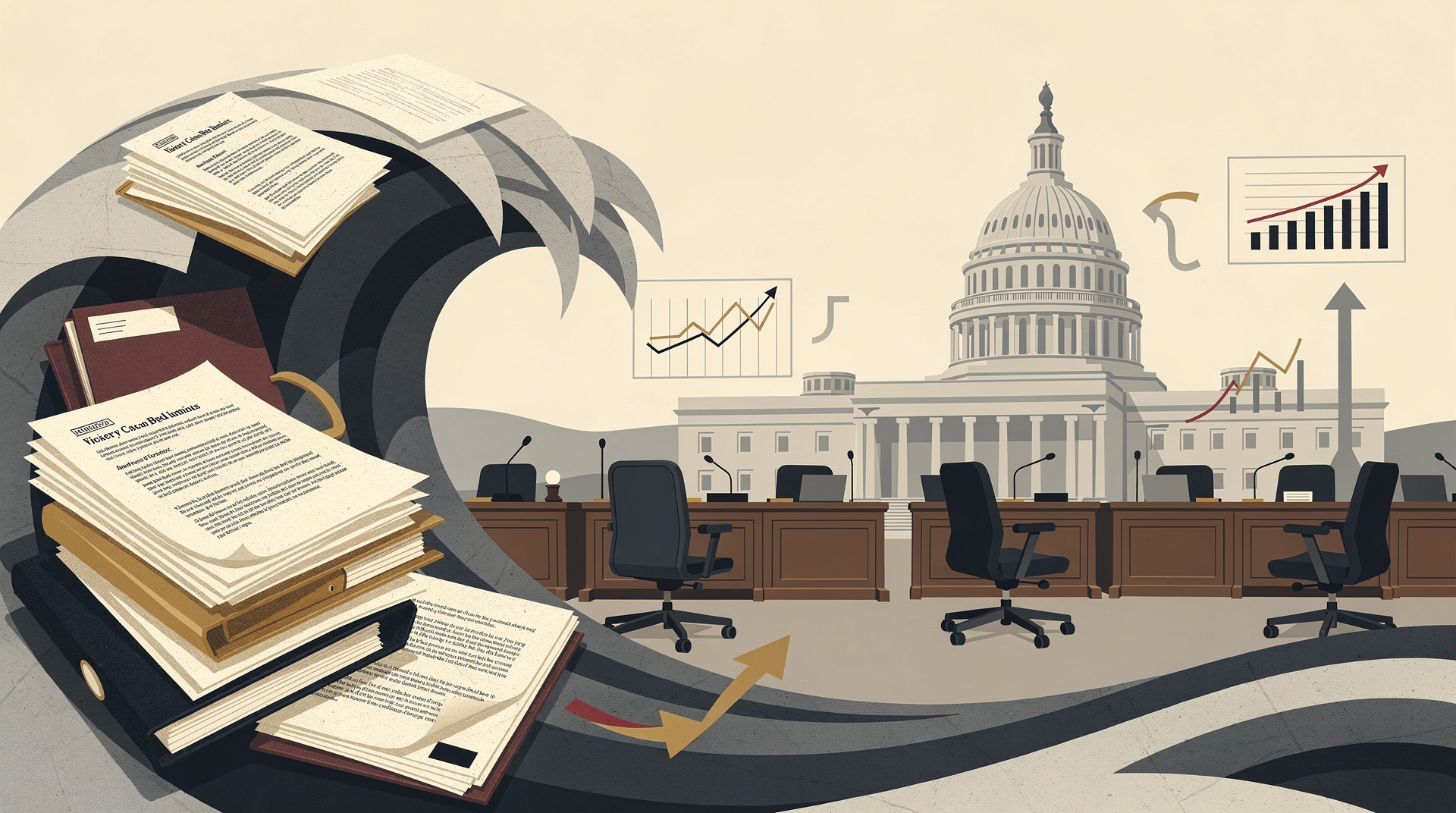
Senate Agriculture Committee Chairman John Boozman (R-AR) on Monday released a sweeping discussion draft for “Farm Bill 2.0,” incorporating more than 100 bipartisan priority measures spanning commodity programs, conservation, crop insurance, trade and rural development. The proposal marks the most significant agricultural policy milestone since the last comprehensive farm bill was enacted in 2018.
The draft represents a critical juncture for legislation that governs hundreds of billions of dollars in farm subsidies, conservation spending, and food assistance affecting tens of millions of Americans. For lobbyists, commodity groups, and rural stakeholders who have waited years for comprehensive reauthorization, the bill’s breadth signals real legislative momentum — but its path to 60 Senate votes remains uncertain.
Boozman said the bill “brings together priorities championed by senators from both sides of the aisle into a comprehensive bill that will expand farmers’ access to resources and markets, invest in rural infrastructure and innovation, promote conservation and responsible land stewardship and strengthen the resilience of our nation’s food supply.”
The draft draws from a wide bipartisan array of legislation. Title I commodity provisions include the GRAIN DRY Act from Sens. Ernst, Klobuchar, and Gallego and the Fair Milk Pricing for Farmers Act from Sens. Gillibrand, Collins, and Shaheen. Conservation measures include the CRP Improvement and Flexibility Act from Sens. Thune, Klobuchar, Moran, and Smith. Rural development provisions span broadband access, rural water systems, childcare, and hospital revitalization — many co-sponsored by senators from both parties.
However, the draft deliberately omits Democrats’ top demand: reversing the roughly $186 billion in SNAP cuts enacted through last year’s One Big Beautiful Bill Act and delaying new requirements that will force some states to begin sharing SNAP benefit costs starting in October 2027.
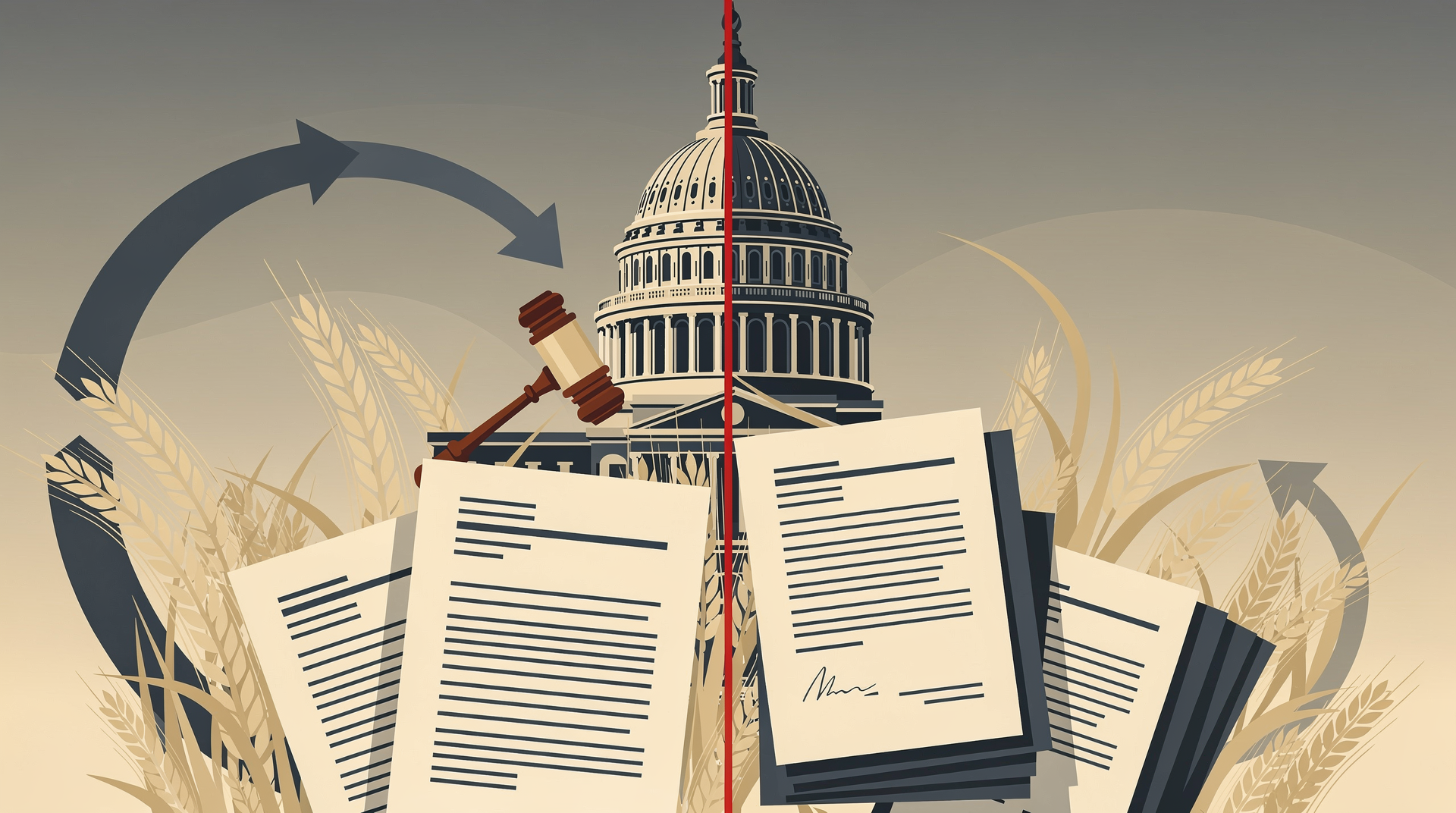
Senate Democratic Leader Chuck Schumer has drawn a clear red line. “I will not support” a farm bill that abandons hungry families, Schumer said during a July 2 appearance in New York, demanding that SNAP cuts be restored or at least postponed for two years. Agri-Pulse reported that Boozman acknowledged talks with Democrats on nutrition policy are underway, telling reporters he is “negotiating in private” and that “everybody’s working in good faith to get a farm bill.”
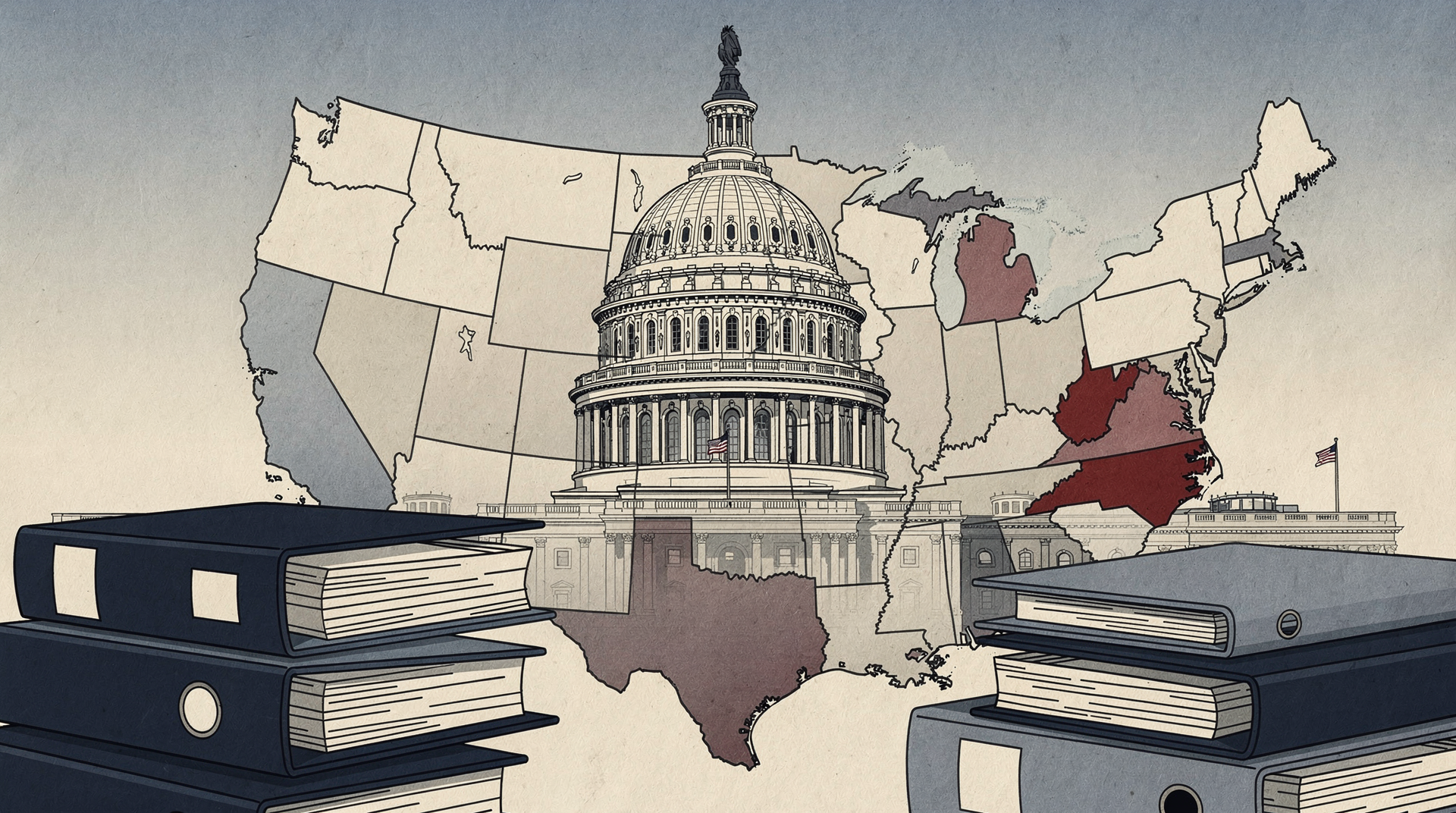
The SNAP impasse has concrete fiscal stakes for state governments. A report from the Center on Budget and Policy Priorities estimates states would face approximately $9 billion in costs for exceeding federal payment error rate thresholds — a burden that has led even some Republican senators to privately support delaying the cost-sharing provision.
Democratic members of the Agriculture Committee said the draft “does not address the devastating cuts to SNAP or the shift to state taxpayers” but signaled openness to a deal, saying they “stand ready to work with Republicans to negotiate a bipartisan farm bill that both meets the moment and can be successful on the Senate Floor.”
Boozman is aiming to hold a committee markup before the August recess. Whether that timeline holds depends on whether the bipartisan goodwill reflected in the bill’s 100-plus co-sponsored provisions can survive the SNAP showdown that now defines the legislation’s path forward.