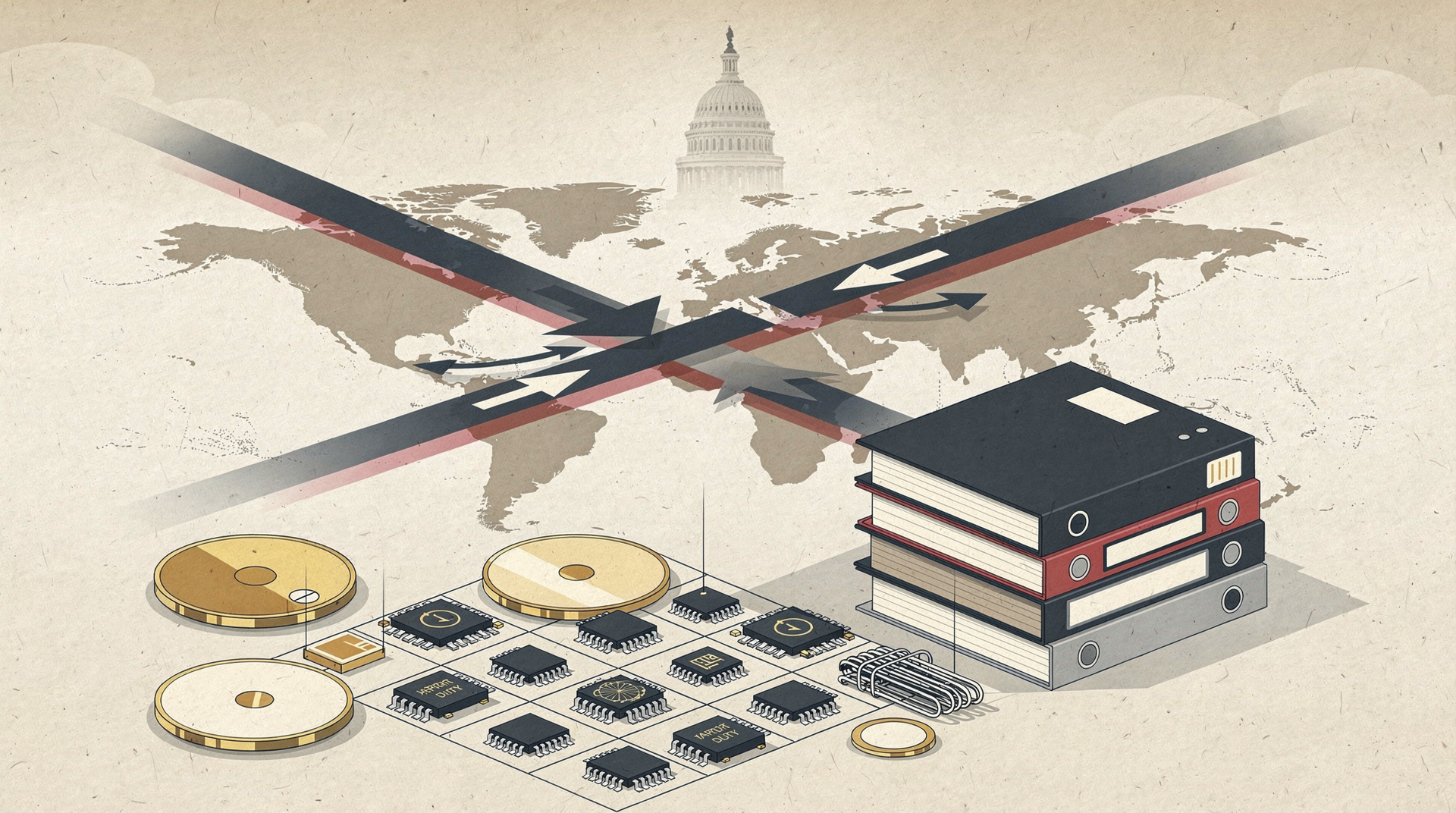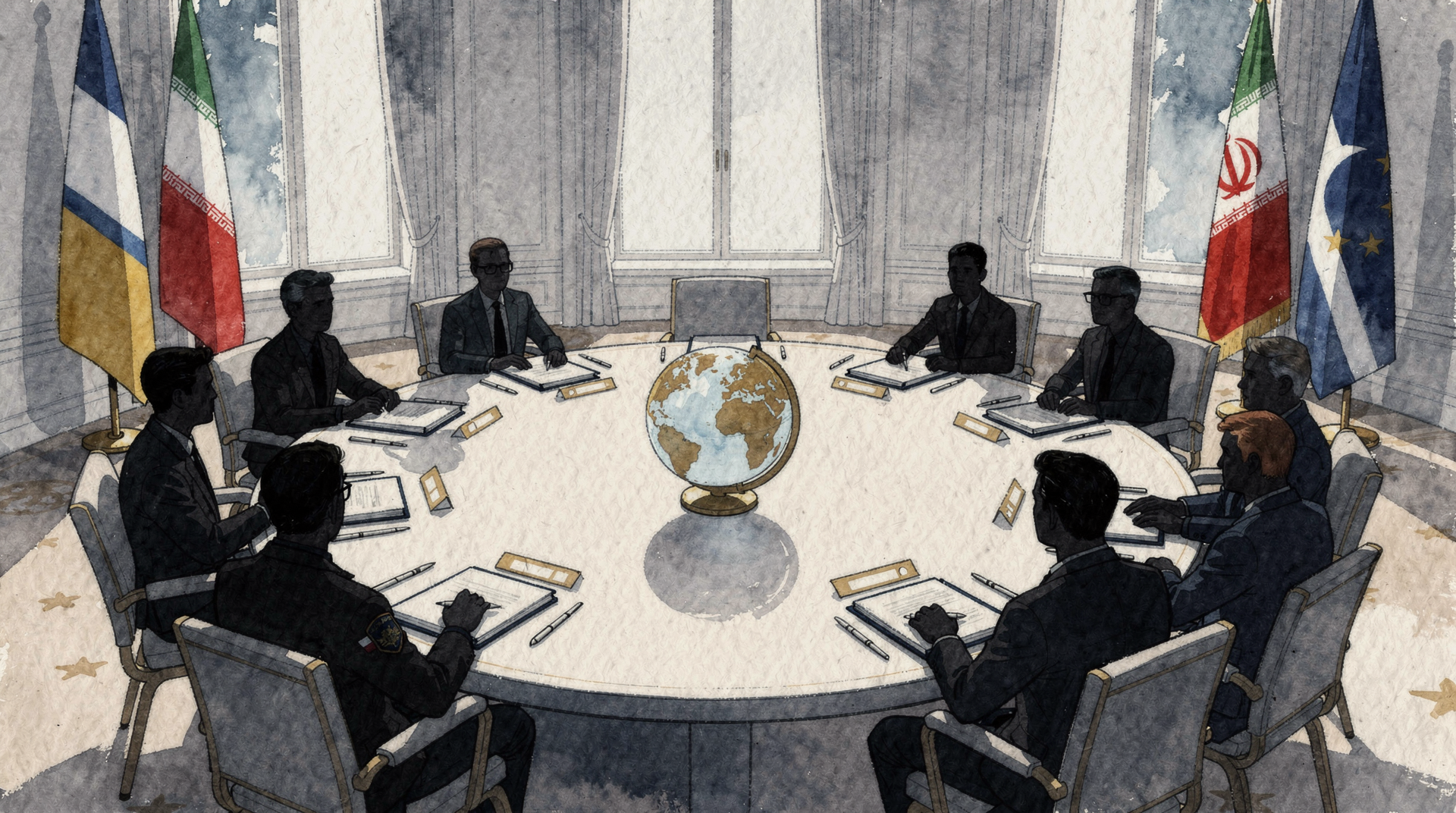
The United States imposed new Section 301 tariffs of 10–12.5% on goods from 60 economies on Saturday, with the Philippines, Singapore, Thailand, and Vietnam among the hardest-hit nations in a move that landed just one day after Secretary of State Marco Rubio told ASEAN foreign ministers the U.S. was “with ASEAN 100 per cent.”
U.S. Trade Representative Jamieson Greer cited forced-labor practices as the primary justification for the tariffs, which also cover goods from Malaysia, Indonesia, and Cambodia at lower rates in recognition of those countries’ stronger enforcement measures, according to the Sunday Guardian Live.
The timing drew immediate attention from regional analysts. China’s Foreign Minister Wang Yi was present at the ASEAN proceedings when the tariff announcement was made, and observers noted that Beijing could use the juxtaposition to reinforce its own regional trade messaging — particularly in countries facing new U.S. duties.
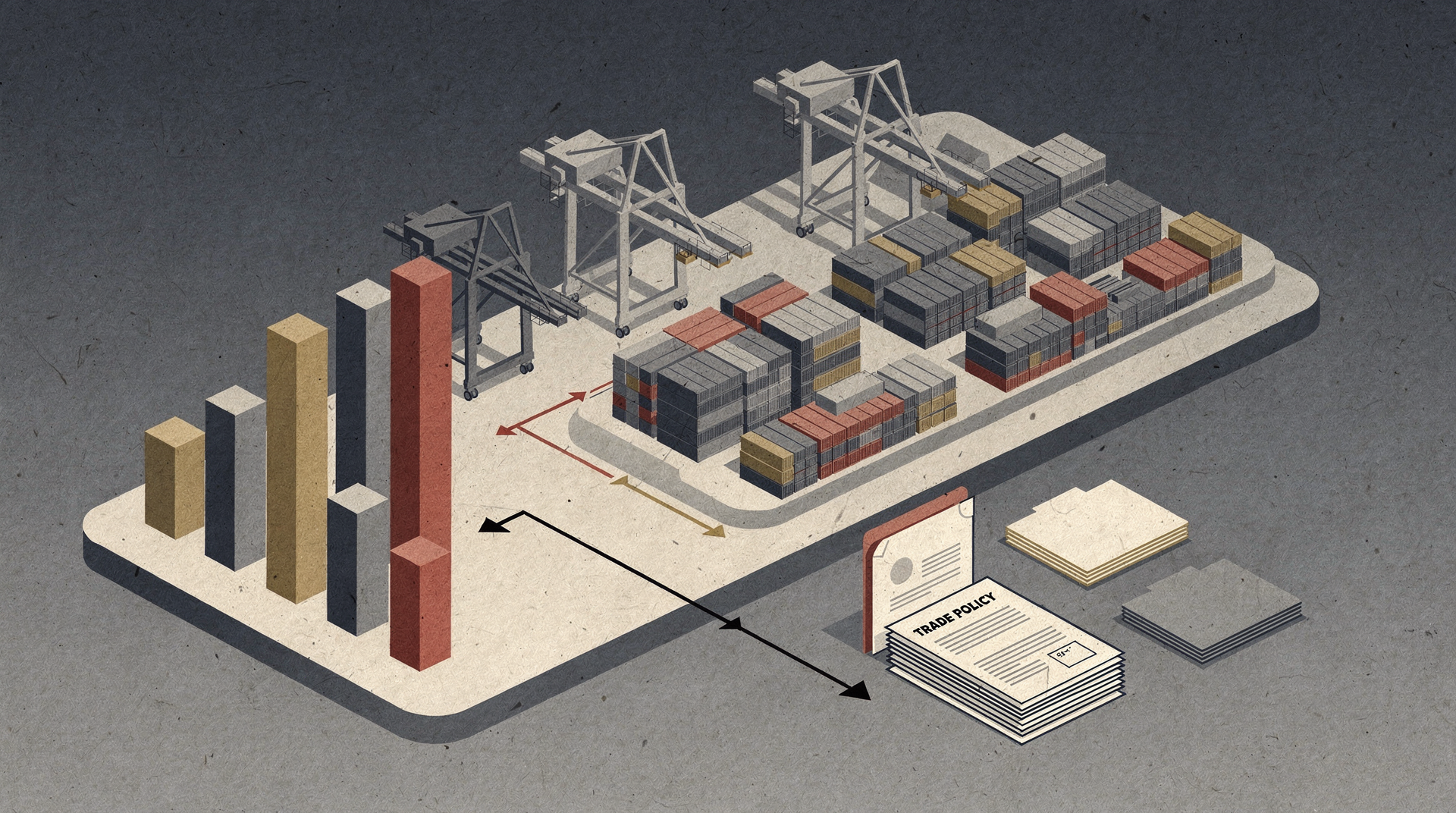
The tariffs affect a broad range of goods entering the U.S. market and are expected to raise costs for American importers and consumers of products sourced from the affected economies. Specific product categories and effective dates are detailed in the USTR’s formal notice.
For U.S. businesses operating in or sourcing from Southeast Asia, the new tariffs represent a concrete increase in the cost of doing business. Companies with supply chains running through the Philippines, Vietnam, Thailand, and Singapore face the steepest adjustments.
Malaysia, Indonesia, and Cambodia received comparatively lower rates — a structure the USTR described as reflecting differentiated enforcement of labor standards across the region.
The tariff action is the latest in a series of Section 301 trade measures the Trump administration has applied globally. The juxtaposition with Rubio’s diplomatic assurances in Manila illustrates the challenge U.S. officials face in balancing trade enforcement with alliance-building in a region where China is the dominant trading partner for most ASEAN members.