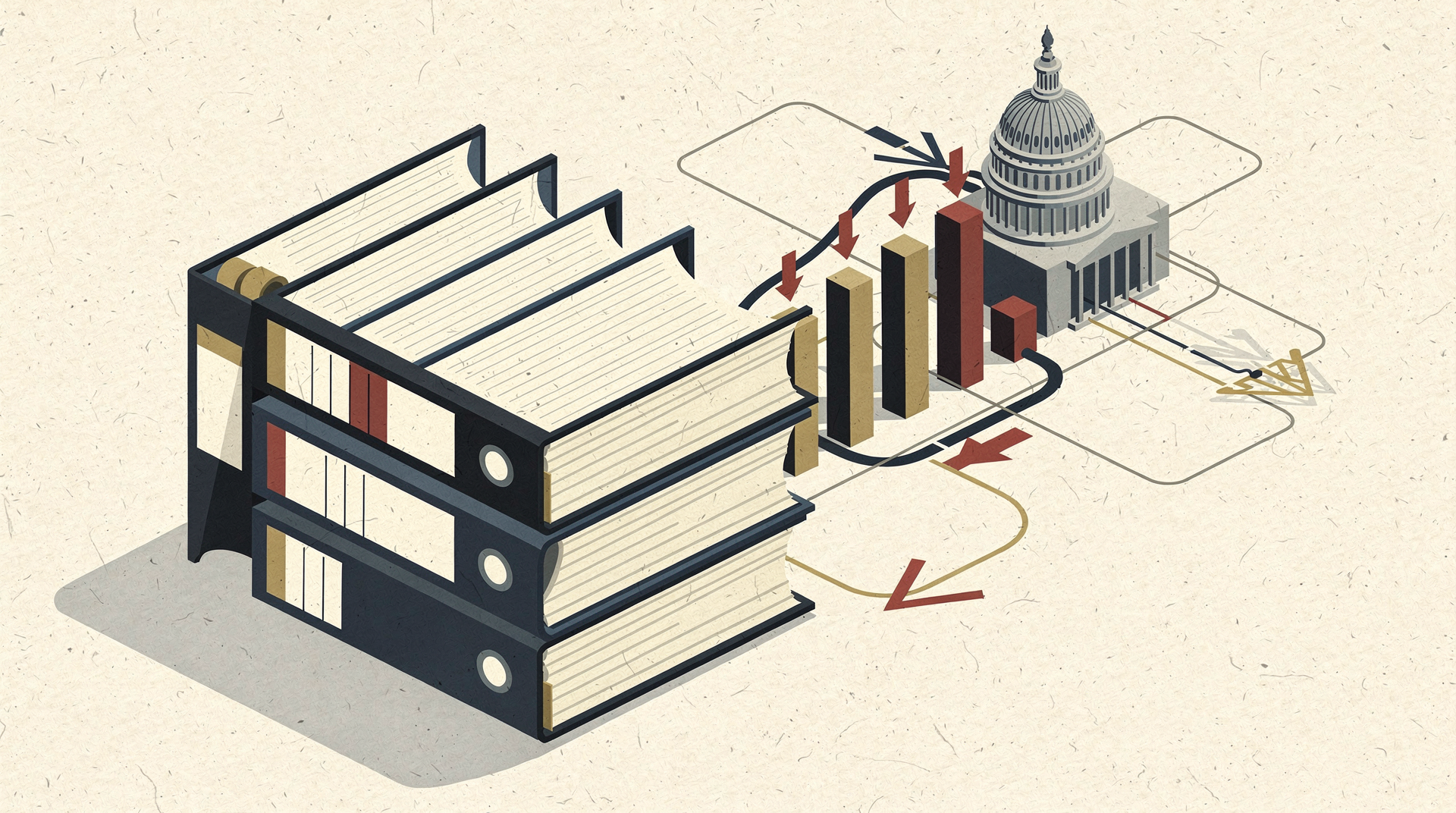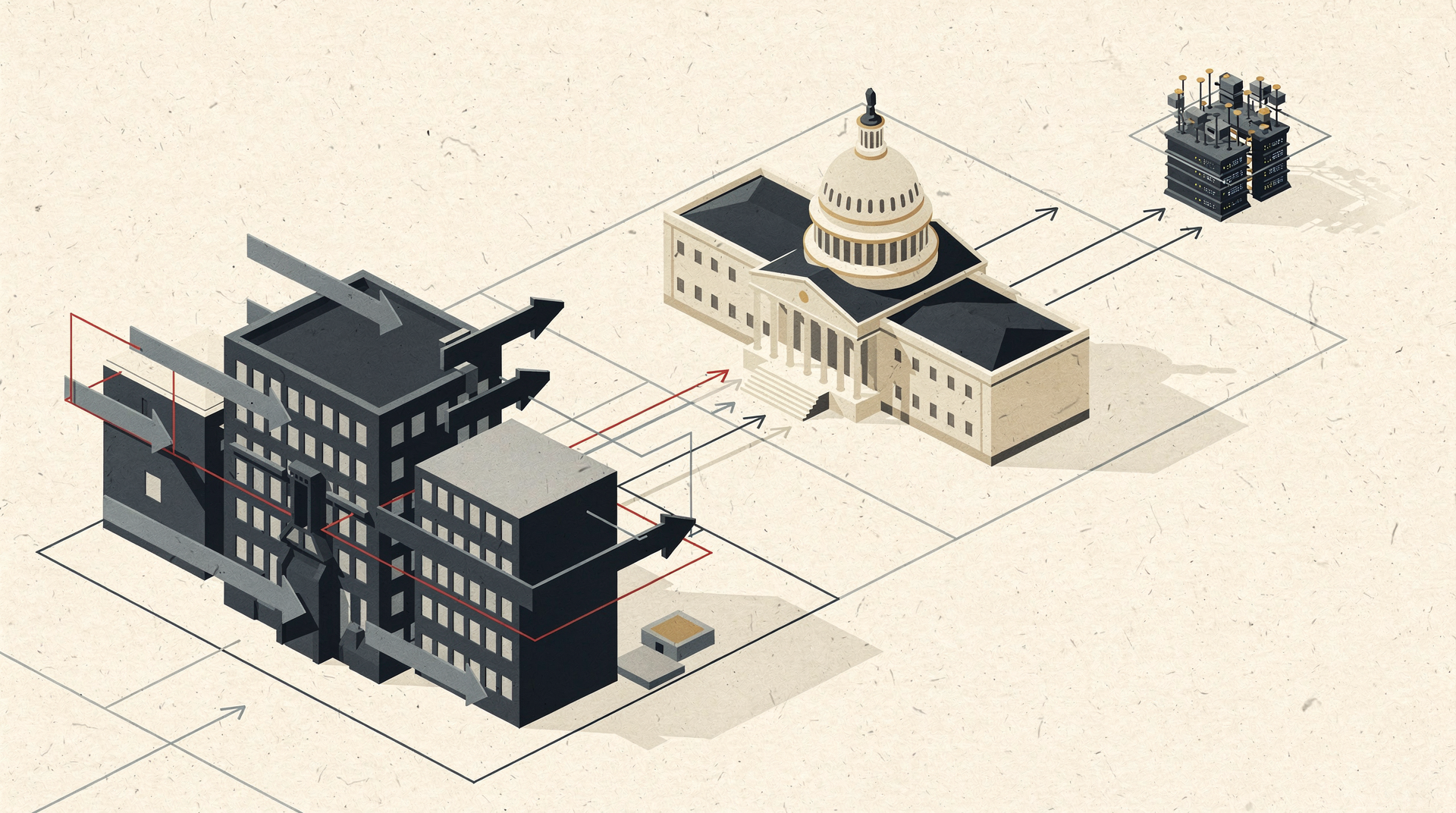


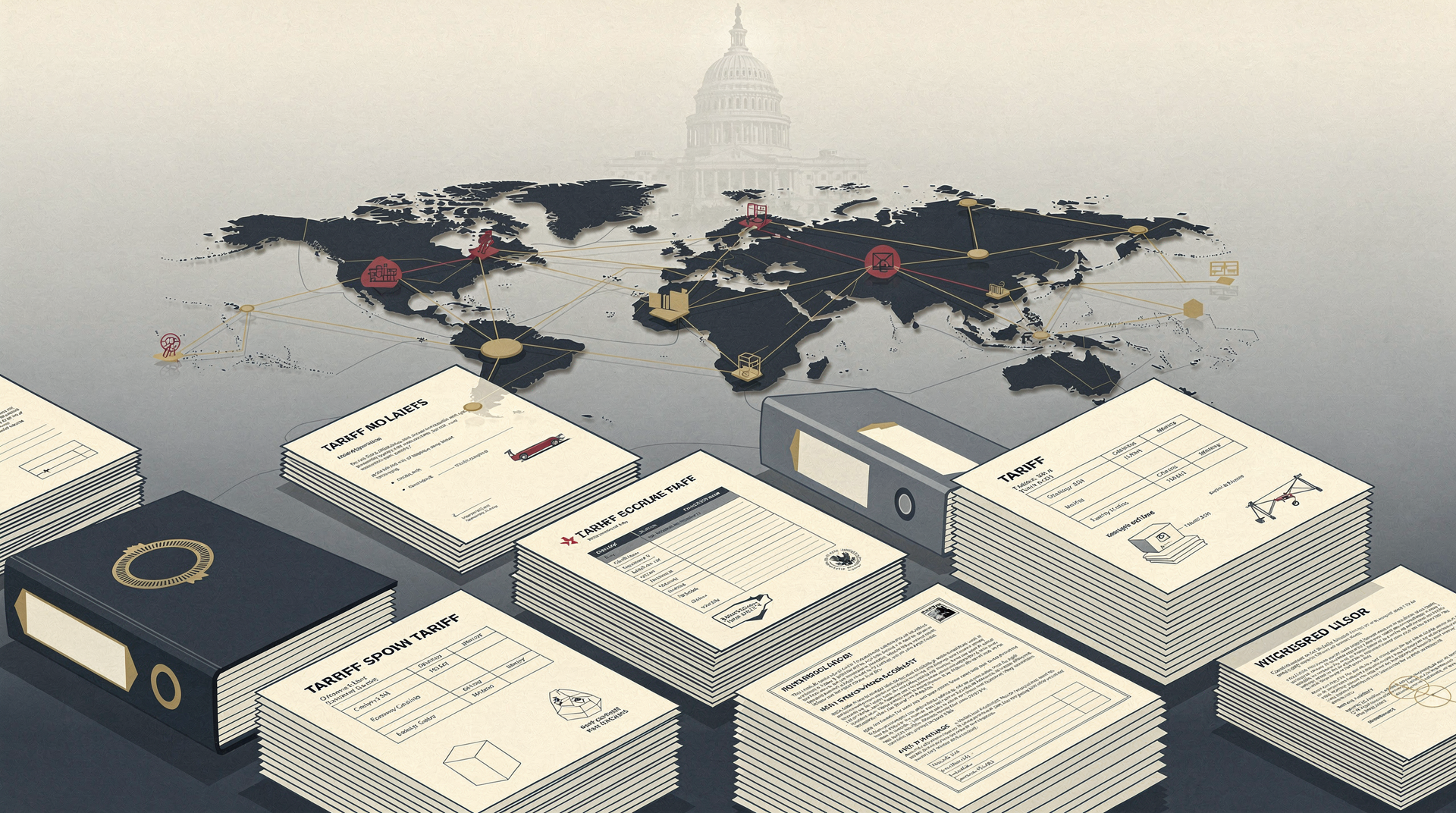
The U.S. Trade Representative on Thursday finalized sweeping new tariffs of 10–12.5% on goods from more than 60 countries, replacing the expired Section 122 duties with a novel legal framework that uses nations’ failures to ban forced-labor imports as justification for what amounts to a near-global tariff regime, according to an analysis by the National Association of Manufacturers.
The Section 301 tariffs took effect at 12:01 a.m. EDT on July 24, the moment the temporary 10% Section 122 tariffs expired, ensuring no gap in the administration’s import duty structure. The action covers economies responsible for approximately 99.4% of all U.S. imports.
The tariff structure creates three tiers. Seventeen economies that either imposed a forced labor import ban or committed to one through an Agreement on Reciprocal Trade — including the European Union and Taiwan — face a 10% rate inclusive of most-favored-nation duties. An additional 15 countries, including Canada, Mexico, the United Kingdom, and India, face a 10% rate stacked on top of existing MFN duties. The remaining 43 economies, including China, Japan, South Korea, and Brazil, face 12.5%.
Exemptions cover pharmaceuticals, semiconductors, aircraft parts, fertilizer products, and battery waste. Goods qualifying under the U.S.-Mexico-Canada Agreement are excluded, and products already subject to Section 232 tariffs are not affected. The USTR also plans to establish tariff-rate quotas for textiles and apparel from Bangladesh, Cambodia, Indonesia, and Malaysia.
The legal novelty of the action has drawn immediate scrutiny. A detailed analysis by law firm Morgan Lewis noted that Section 301 “has historically been used to address identified practices of a singular trading partner,” whereas the new regime “applies across nearly the entire US import base and imposes duties on products without requiring a direct connection between an individual imported product and forced labor.” The Competitive Enterprise Institute has labeled the action a “fig leaf” for protectionism.
The action represents the administration’s third statutory basis for broad tariffs since the Supreme Court struck down IEEPA-based duties in February. The Associated Press reported that affected countries “were quick to protest, calling the Trump administration’s claims unfounded and arbitrary, as nations with vastly different records on forced labor received” similar treatment. Critics in Congress and the trade bar are expected to challenge whether the forced-labor justification can survive WTO dispute resolution, particularly given its breadth.
For importers, the immediate task is confirming applicable rates and exemptions through Customs and Border Protection guidance. The pending textile TRQs for four Southeast Asian economies represent the next phase of implementation, and businesses should prepare for litigation that may test whether Section 301 supports tariffs at this unprecedented scale.