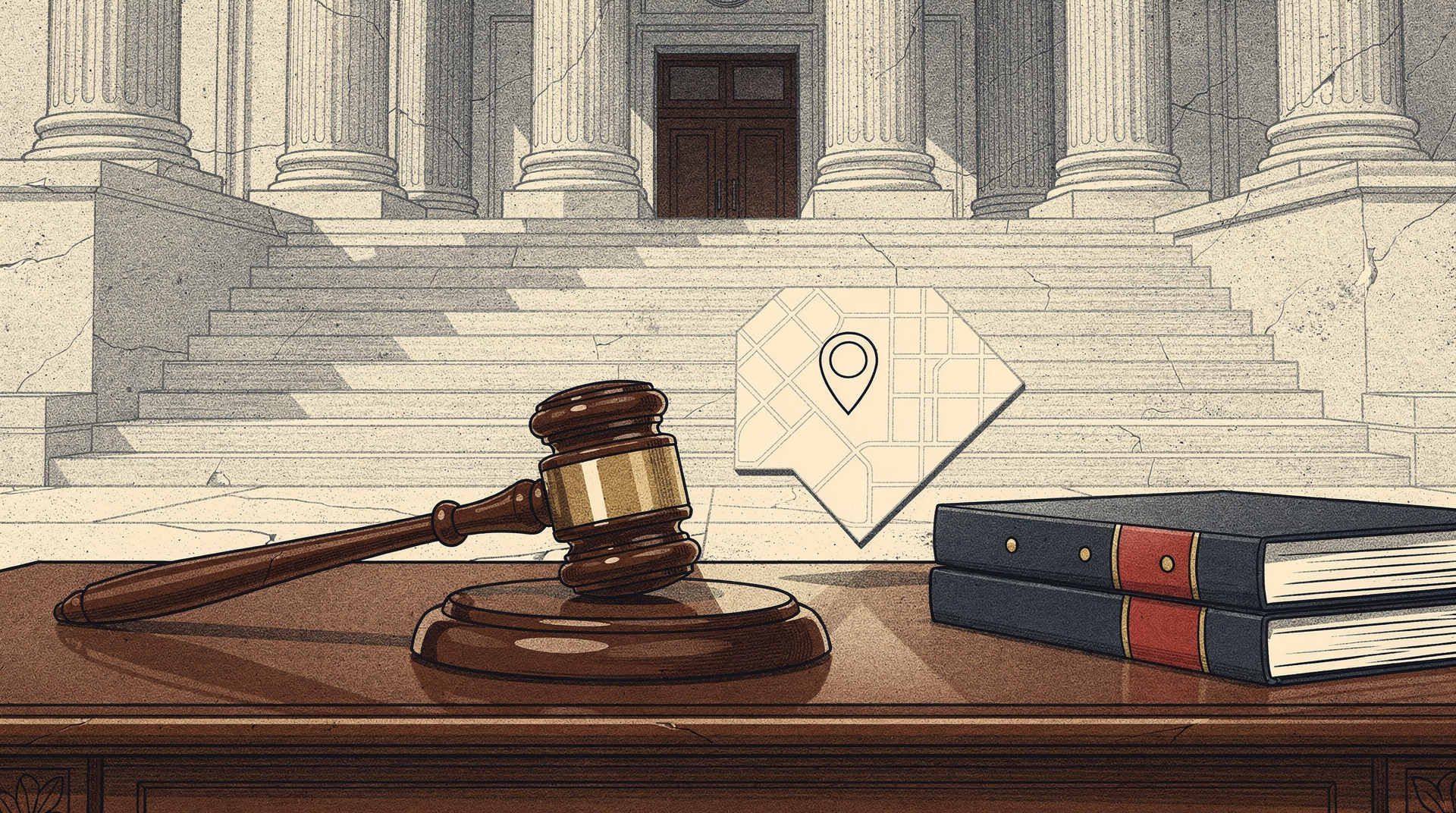
The Supreme Court ruled on Sunday that the Fourth Amendment protects individuals’ cell-phone location history. The decision requires law enforcement to obtain a warrant before accessing geolocation data from tech companies, with implications for police investigative techniques, digital privacy and platform compliance obligations.
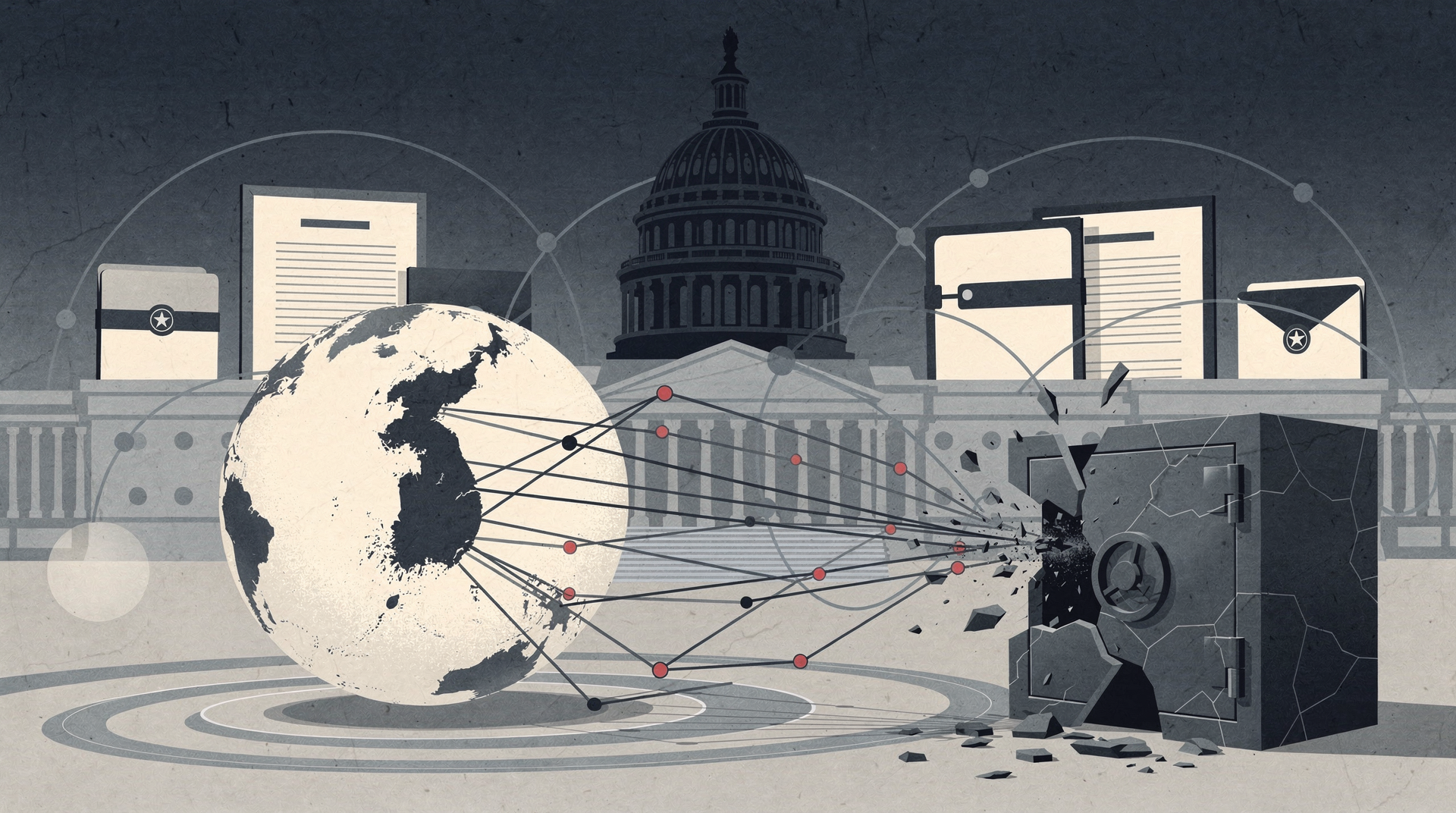
The 6-3 decision in Chatrie v. United States directly affects every federal, state, and local law enforcement agency that uses so-called geofence warrants — a technique in which police ask companies like Google to identify all devices present near a crime scene during a specified time window. For the tech industry and telecommunications carriers that store vast quantities of location data, the ruling creates new legal guardrails around how and when that information may be disclosed to the government.
Writing for the majority, Justice Elena Kagan said that “[a]n individual has a reasonable expectation of privacy in records about his cell phone’s location, and police intrude on that constitutionally protected interest when they demand the information — even though for only a limited time, and from a third-party tech company.” The opinion was joined by Chief Justice Roberts and Justices Kavanaugh, Sotomayor, and Jackson. Justice Gorsuch concurred in the judgment but did not join the majority opinion.
The Computer & Communications Industry Association praised the ruling, noting that CCIA and the Software & Information Industry Association had filed a joint amicus brief urging the Court to require warrants for location data requests. CCIA President Matt Schruers said the Court “recognize[d] that privacy interests persist regardless of the technology involved.”
The case originated from a 2019 armed robbery of a credit union in Midlothian, Virginia. As SCOTUSblog reported, police served Google with a geofence warrant that ultimately identified defendant Okello Chatrie through a three-step process of progressively narrowing anonymized location data. Chatrie was convicted but challenged the warrant as an unconstitutional search.
The Court stopped short of banning geofence warrants outright, instead remanding the case to the Fourth Circuit to determine whether the specific warrant met the Constitution’s particularity and probable cause requirements. Bloomberg Law noted that the majority “declined to weigh in on the bounds of when such warrants are lawful,” leaving significant questions for lower courts and law enforcement agencies to resolve.
Justice Samuel Alito, in a dissent joined in part by Justices Thomas and Barrett, argued the majority’s opinion “will send seismic waves through our Fourth Amendment doctrine.” Justice Barrett also filed a separate dissent.
The ruling arrives as Congress weighs a parallel expansion of digital protections: the House passed the Kids Internet and Digital Safety Act the same week, reflecting bipartisan momentum on online-privacy legislation. For law enforcement agencies, the immediate task is revising protocols for obtaining location data — a process that will require new training, revised warrant applications, and updated agreements with technology providers.
CCIA, which has advocated for more than three decades to extend Fourth Amendment protections to electronic communications, said the decision vindicates “constitutional protections in the digital age.” How quickly law enforcement adapts — and how lower courts define the warrant’s required scope — will determine the ruling’s practical reach.