The Supreme Court on Sunday overruled Humphrey’s Executor v. United States, the 90-year-old precedent that shielded independent agency commissioners from at-will presidential removal. The ruling came in a pair of companion decisions that changed the legal framework governing the relationship between the White House and many independent federal agencies.
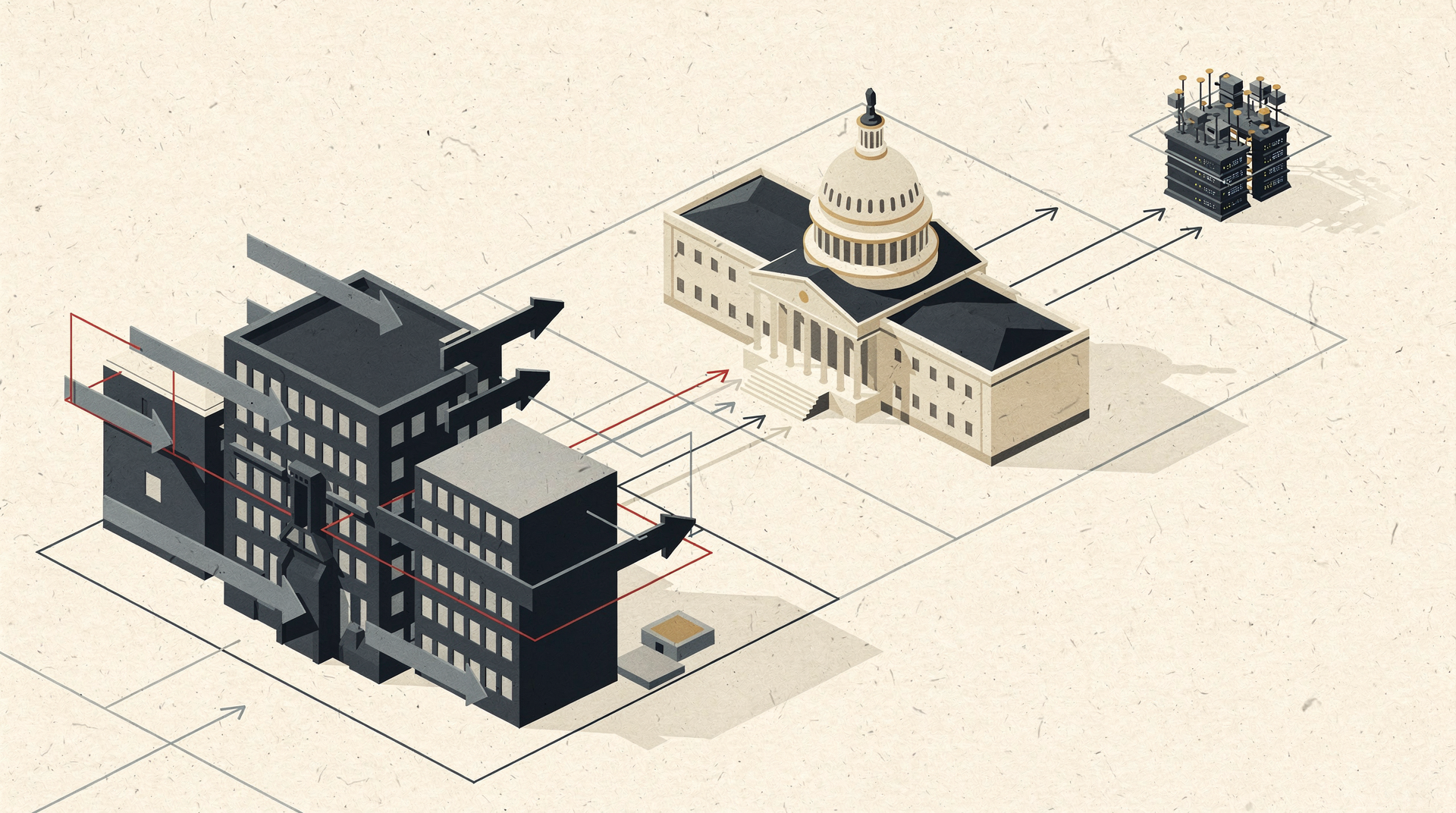
The decisions affect agencies whose leaders previously served fixed terms with statutory protections from at-will removal, including the Federal Trade Commission, Consumer Financial Protection Bureau and National Labor Relations Board. The rulings establish that many agency heads may now be removed by the president without the statutory “for cause” protections that had previously applied.
In Trump v. Slaughter, decided 6-3, Chief Justice John Roberts wrote that statutory “for cause” removal protections for FTC commissioners violate the Constitution’s separation of powers. “What text, history, and structure settle, our precedent confirms — the president may remove his subordinates at will,” Roberts wrote, according to UPI’s account of the ruling. The case arose after President Trump removed FTC Commissioner Rebecca Slaughter without asserting statutory grounds for dismissal.
The same day, however, the Court ruled 5-4 in Trump v. Cook that Trump did not provide Federal Reserve Governor Lisa Cook the procedural protections required by statute before attempting to remove her. Roberts, joined by the three liberal justices and Justice Brett Kavanaugh, wrote that “not only the fact of independence but also the appearance of independence is key to the Federal Reserve’s design.”
The decisions prompted differing responses from advocacy organizations. The American Constitution Society said the rulings expand presidential authority over the executive branch and criticized their potential effect on federal agencies. The Competitive Enterprise Institute said the Slaughter decision strengthens presidential accountability, with CEI President Kent Lassman calling the overruling of Humphrey’s Executor part of “the healing process as we dismantle an unchecked regulatory state.”
The Heritage Foundation criticized the Cook ruling. Heritage senior legal fellow Zack Smith highlighted Justice Clarence Thomas’s dissent, which stated that the Court had “upheld an injunction against the President’s removal of an executive officer for the first time in the Constitution’s 237-year history.”
According to the Christian Science Monitor, Columbia Law School professor Gillian Metzger said the rulings reflect the Court’s embrace of the unitary executive theory except with respect to the Federal Reserve, whose independence the Court treated differently because of its role in the economy.
Justice Sonia Sotomayor, writing in dissent in Slaughter, said the decision grants the president “far greater power than ever before” — “a power, however, that neither the People, nor Congress, nor the Constitution bestowed upon him.”
The rulings establish a new legal standard for presidential removal authority over many independent agencies. Their practical effect on pending enforcement actions, rulemakings and agency leadership transitions will depend on how the administration implements the decisions and how lower courts apply them in future cases.