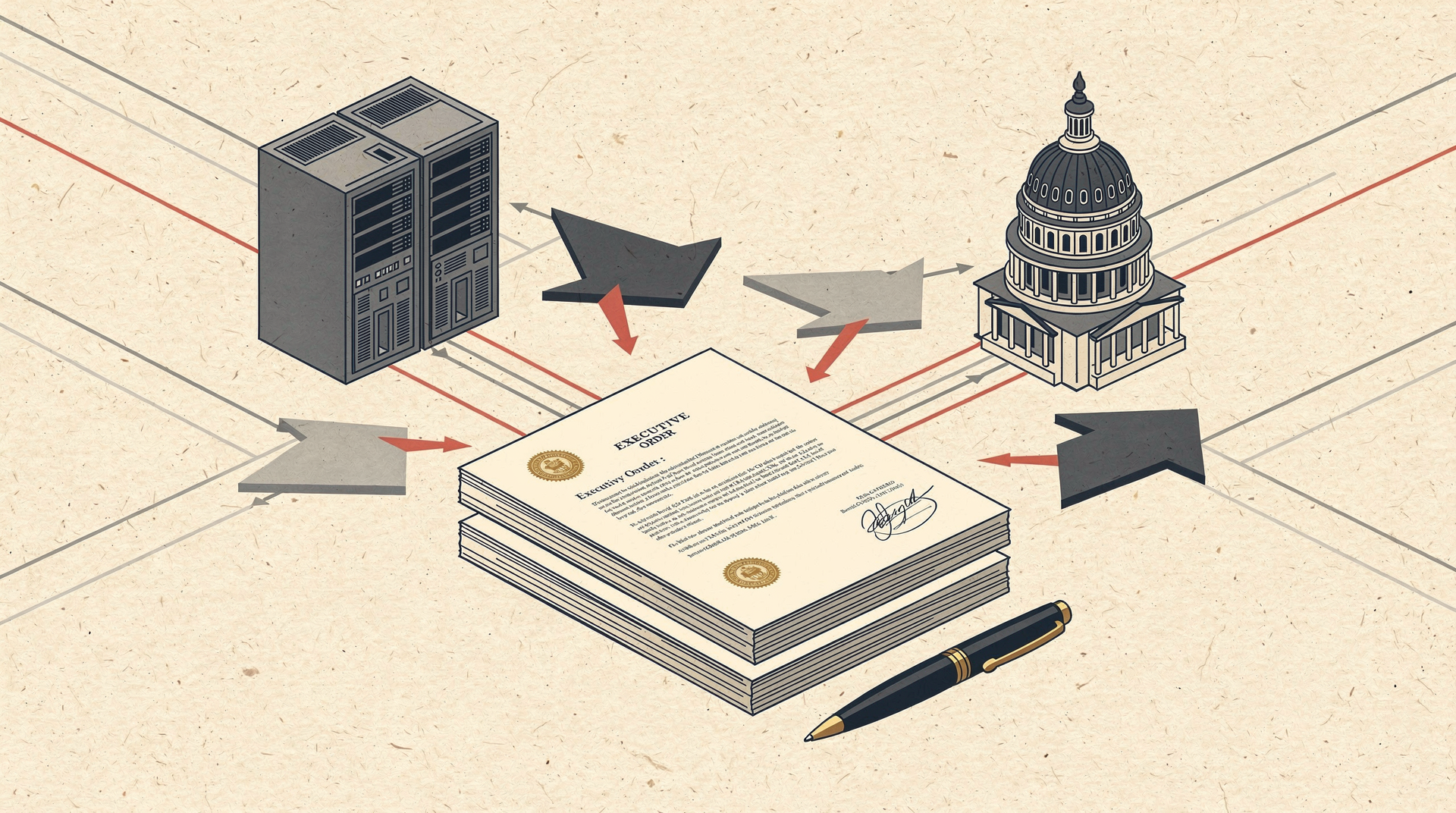
Sen. Adam Schiff (D-Calif.) filed a privileged War Powers Resolution on Sunday after the United States resumed large-scale military strikes against Iran and President Trump announced plans to reimpose a blockade on Iranian ports and charge fees on cargo transiting the Strait of Hormuz.
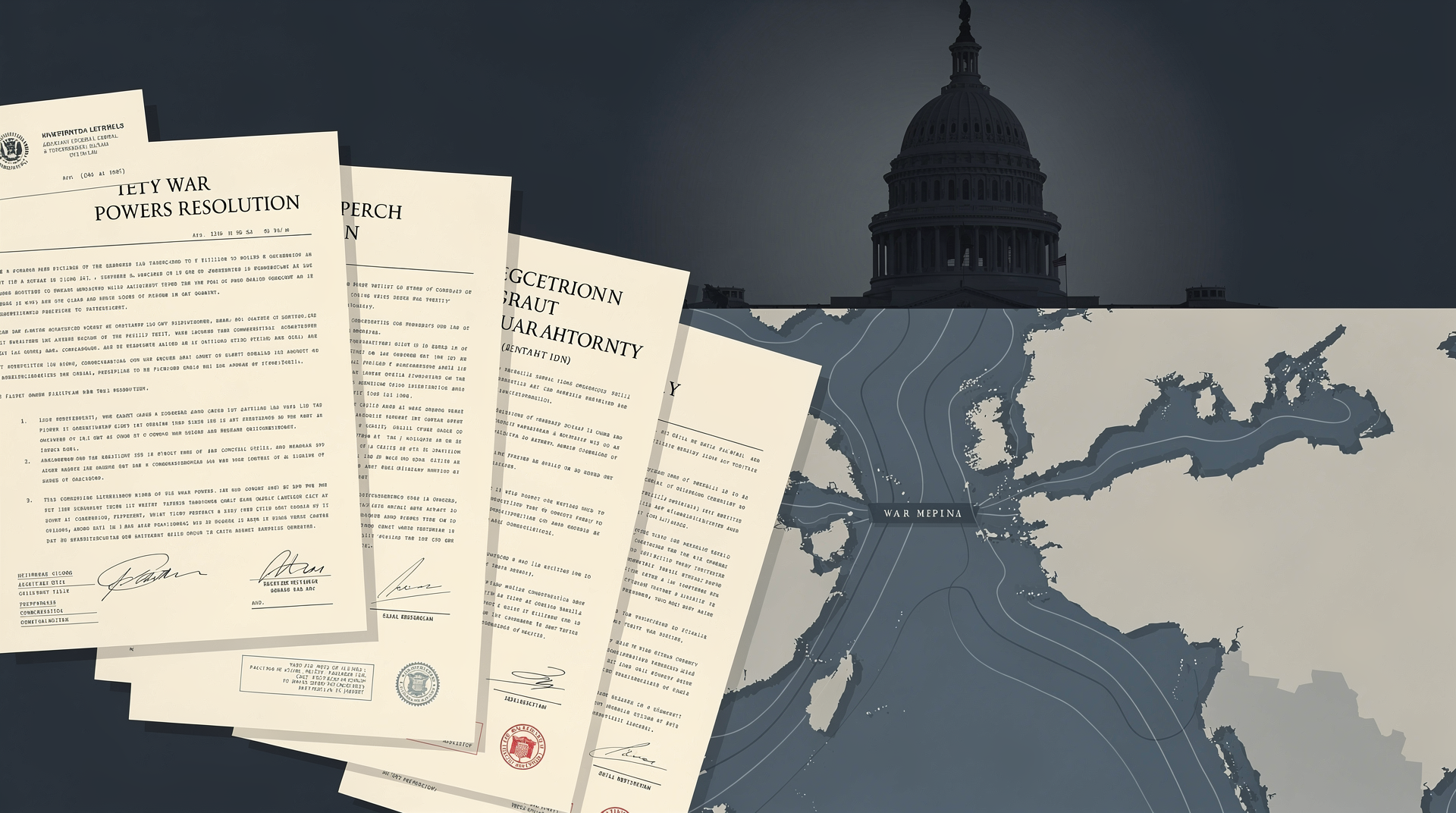
The resolution, announced by Schiff’s office, would direct the removal of U.S. Armed Forces from hostilities against Iran. Because it is privileged under Senate rules, leadership cannot bury it in committee or prevent it from reaching the floor — Schiff can motion for consideration as soon as next week. That procedural mechanism makes this the most consequential congressional challenge to the president’s war authority since the conflict began on February 28.
At the core of the legal dispute is whether the 60-day clock under the War Powers Act of 1973 ever stopped running. The Trump administration has argued that a ceasefire signed in early April terminated hostilities, resetting the statutory timeline. Schiff’s resolution explicitly rejects that claim, asserting that U.S. forces “continued to exert military force throughout the ceasefire” and that the administration cannot manufacture a new 60-day window through what critics call a paper peace.
“The events of the last week prove why Congress must reassert its war powers authority,” Schiff said. “We were promised the war would be over for months. And now in a matter of days we’ve gone from a bad U.S.-Iran deal to more strikes, another blockade, and added turmoil that will only drive prices higher. Any assertion by the Trump administration that he gets 60 more days to act without Congress has no foundation in law.”
The resolution is co-sponsored by Sens. Tim Kaine (D-Va.), Andy Kim (D-N.J.), Jeff Merkley (D-Ore.), and Chris Van Hollen (D-Md.) — a bloc that has led prior congressional challenges to the conflict. Both houses of Congress voted last month to object to continued hostilities through a House Concurrent Resolution, and Schiff previously led 37 Senate Democrats in a May 1 letter disputing the administration’s claim that fighting had “terminated.”
The filing comes amid a sharp military escalation. CBS News reported that Trump formally notified Congress in a letter dated July 10 that military action “commenced on July 7,” after Iranian attacks on commercial vessels in the Strait of Hormuz violated a memorandum of understanding signed last month. The president described the strikes as “limited, measured, planned, and executed in a manner designed to minimize civilian casualties,” but the resumption of the blockade significantly raises the economic and strategic stakes. The Associated Press reported that the reimposed blockade sparked new Iranian retaliatory strikes against nations hosting American forces, with both sides vying for control of a waterway through which a fifth of the world’s oil passes during peacetime.
The practical question is whether this third congressional challenge to the president’s war authority will produce a different outcome. Two prior votes expressed opposition but did not compel a change in policy. The privileged status of Schiff’s resolution guarantees a floor vote, but overriding a likely presidential veto would require a two-thirds supermajority in both chambers — a threshold that remains well out of reach absent significant Republican defections. How Senate Republicans respond in the coming days, particularly those who previously supported giving diplomacy more time, will determine whether the measure carries any real force.