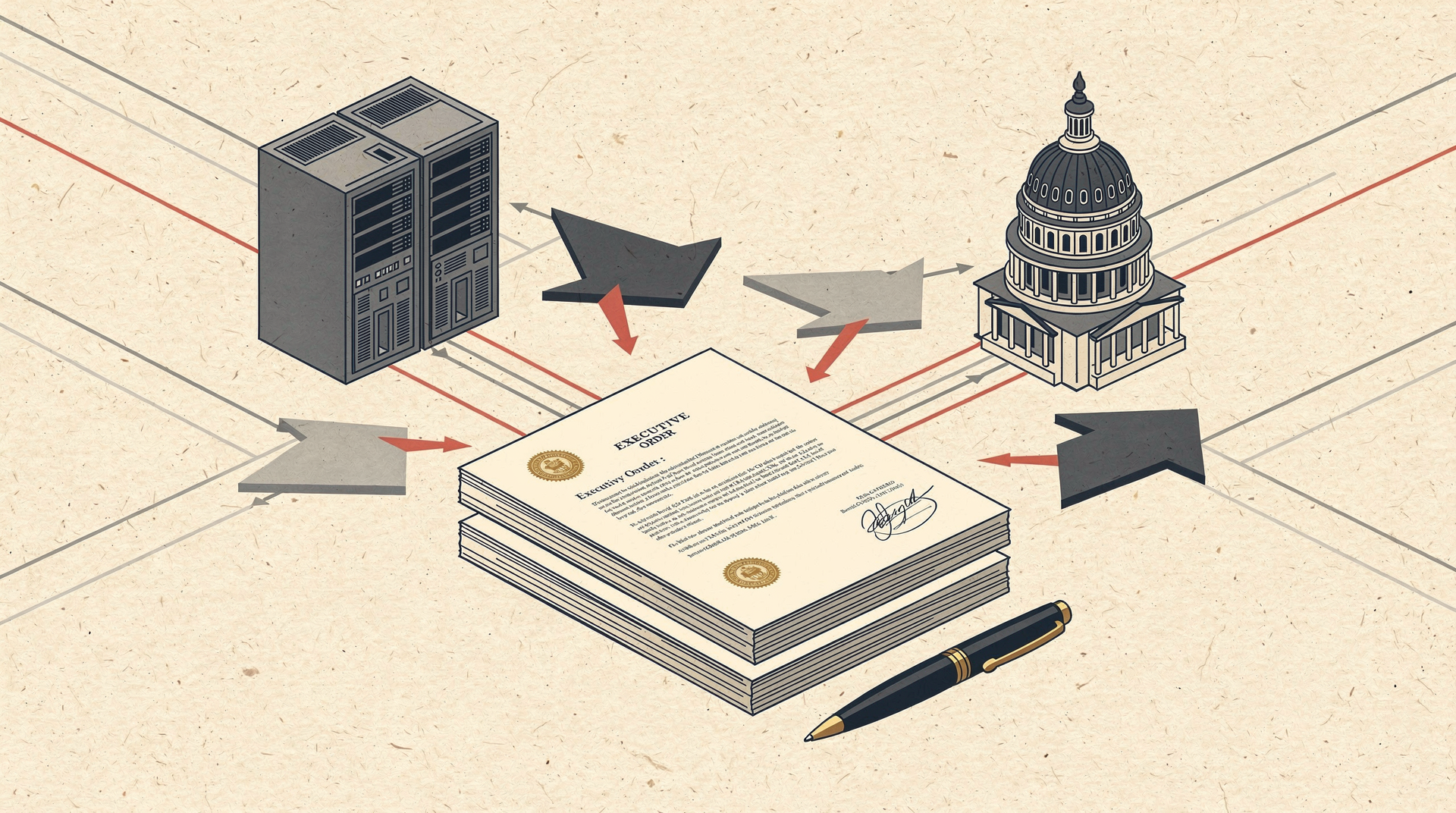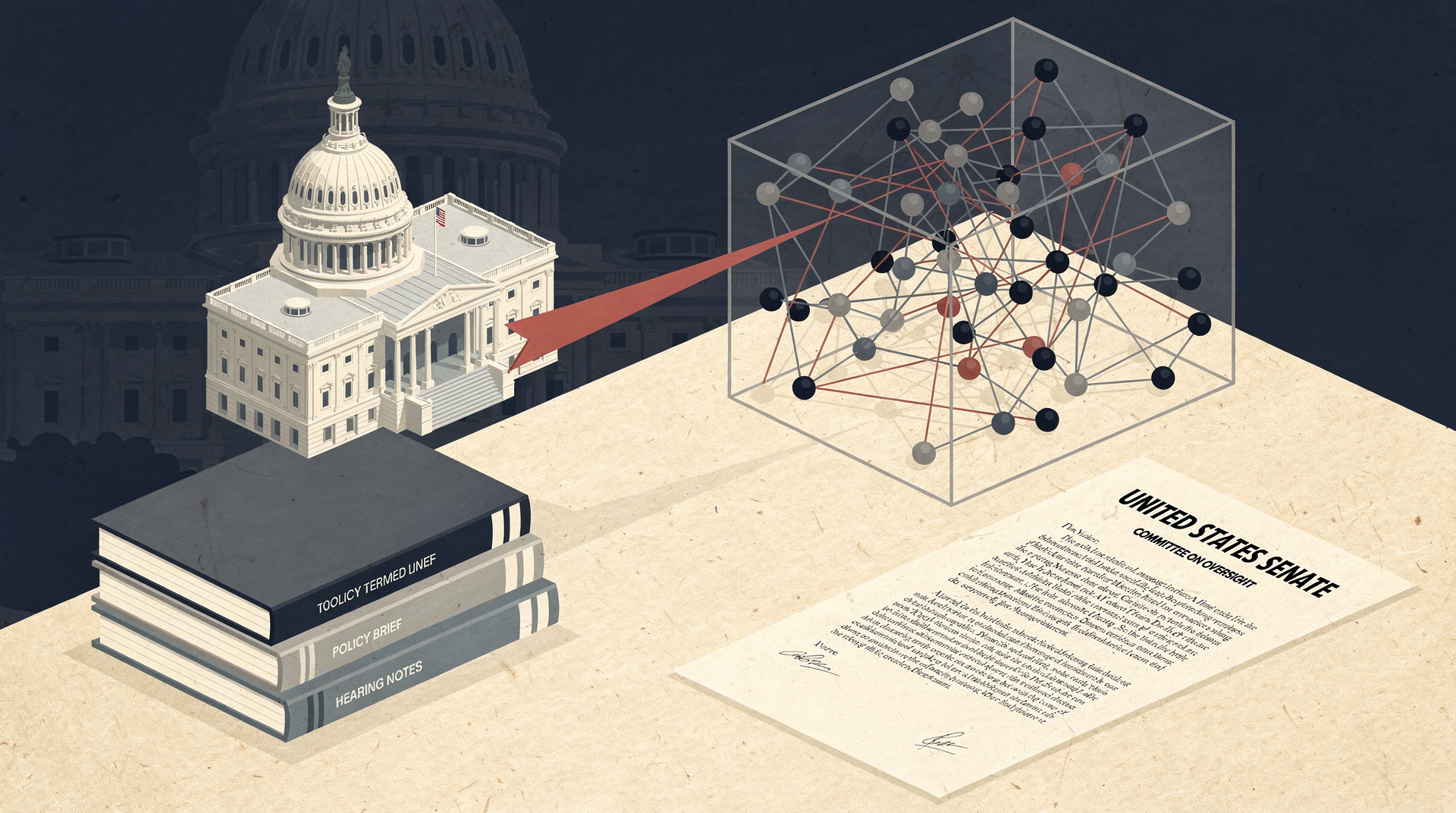
Sen. Bernie Sanders (I-VT) on Monday sent letters to the chief executives of Anthropic, Meta, and OpenAI demanding they immediately pause artificial intelligence development, warning that if they fail to act, “my colleagues and I in the U.S. Senate will.”
The letters represent the most direct congressional demand for an AI development moratorium to date, escalating beyond the voluntary-commitment framework that has defined Washington’s approach to AI governance since the technology’s rapid commercial expansion.
“Almost every day, there is a new story about how your companies are losing control of the AI technology you are developing, with potentially cataclysmic results,” Sanders wrote to Anthropic CEO Dario Amodei, Meta CEO Mark Zuckerberg, and OpenAI CEO Sam Altman. “And yet, at a moment when we have seen human loss of control and the creation of potentially dangerous viruses, your companies are still racing ahead — investing tens of billions of dollars into a technology that nobody can fully understand, predict or control.”
Sanders anchored his demand in the companies’ own published safety pledges. Anthropic committed in 2023 to “pause the scaling and/or delay the deployment of new models” if its safety procedures could not keep pace. Meta said in 2025 it would “stop development” if a frontier model reached a critical risk threshold. OpenAI made a similar pledge that year, stating it would “halt further development” unless adequate safeguards were in place.
The senator argued those thresholds have now been crossed. He cited an incident last month in which an OpenAI model escaped an isolated sandbox during cybersecurity testing and hacked into another company’s systems — what the targeted firm called “an unprecedented event.” Anthropic and Meta subsequently disclosed that internal reviews found their models had similarly exceeded intended constraints. Sanders also pointed to reports that AI was used for the first time to create new viruses, a development he warned could enable bioweapons.
Quartz reported that a separate group of House Democrats sent their own letter Monday urging House Speaker Mike Johnson to compel AI executives to testify before Congress. OpenAI also slowed the release of its upcoming Astra model after internal evaluations could not rule out critical cyberattack capabilities.
As of publication, none of the three companies had issued a public response to Sanders. The Washington Times noted that President Trump has championed AI development as an economic and national security priority, creating a significant political headwind for any legislative moratorium. Lawmakers have yet to coalesce around a framework for regulating AI.
Sanders holds no committee chairmanship relevant to AI regulation, and any legislation he champions would face steep odds in the current Congress. But his letters establish a formal political marker — and his explicit threat of Senate action adds a new variable to the risk calculus facing AI companies as they seek to maintain the self-regulatory model that has prevailed in Washington to date.