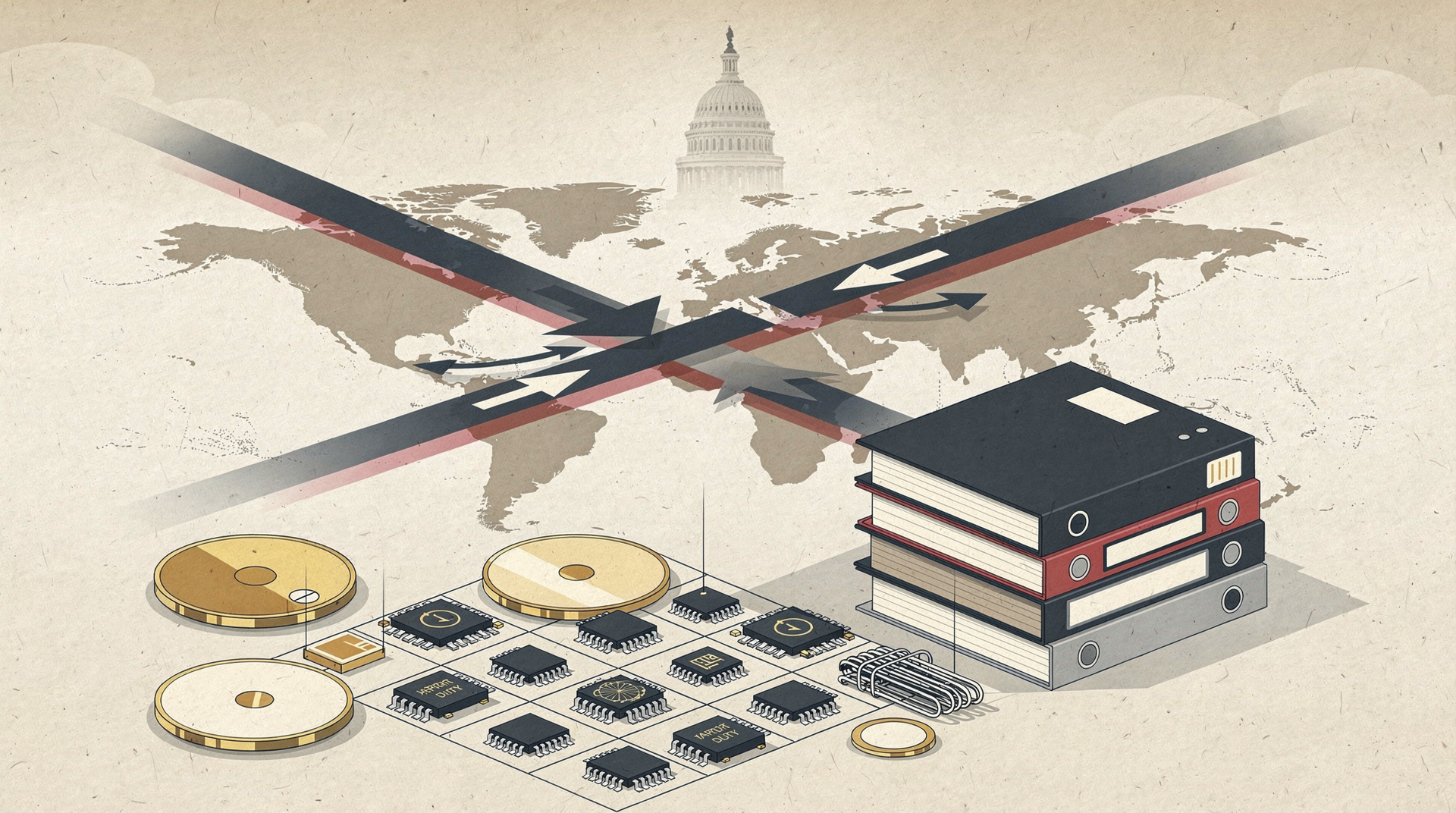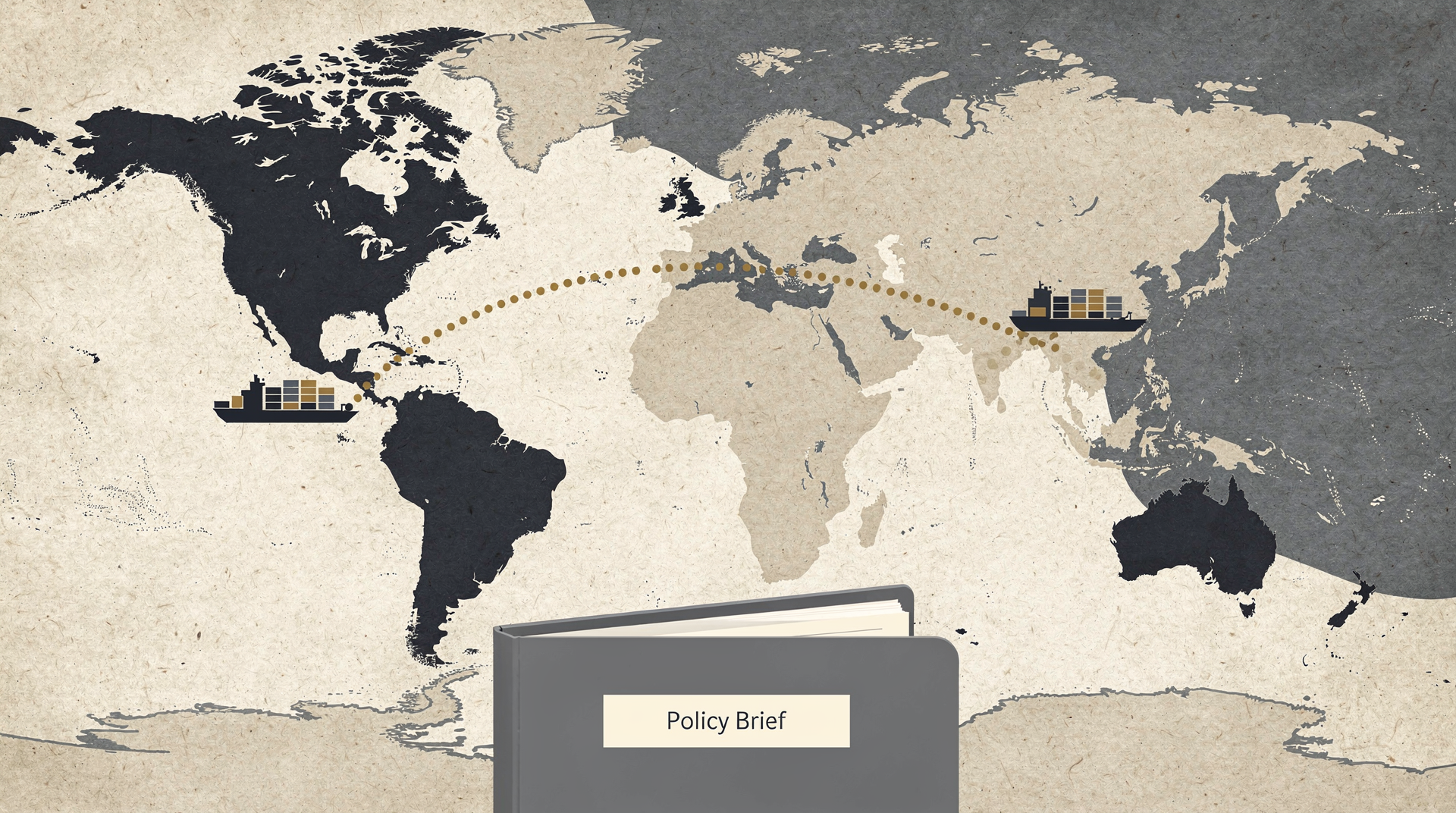
Secretary of State Marco Rubio issued a stark warning on Saturday about Iran’s attempts to assert control over the Strait of Hormuz, calling it a direct threat to the global economy and explicitly connecting Middle East maritime security to freedom of navigation in Southeast Asia.
“If we allow this to happen in the Middle East, we open the door to similar scenarios elsewhere, including here in Southeast Asia,” Rubio stated at the ASEAN Foreign Ministers’ Meeting in Manila, according to reporting by CSNZ. The remarks represented a deliberate rhetorical linkage between the two regions most critical to global shipping lanes.
The Strait of Hormuz, a narrow waterway between Iran and Oman, carries roughly 20% of the world’s oil supply. Iran has periodically threatened to close or control the strait during periods of military escalation, a move that would immediately affect energy prices and shipping across the Gulf states — including the United Arab Emirates, Qatar, Kuwait, Bahrain, and Oman.
Rubio’s framing connected the Hormuz issue directly to the South China Sea, where competing territorial claims by China, the Philippines, Vietnam, and other ASEAN members have produced repeated confrontations over freedom of navigation.
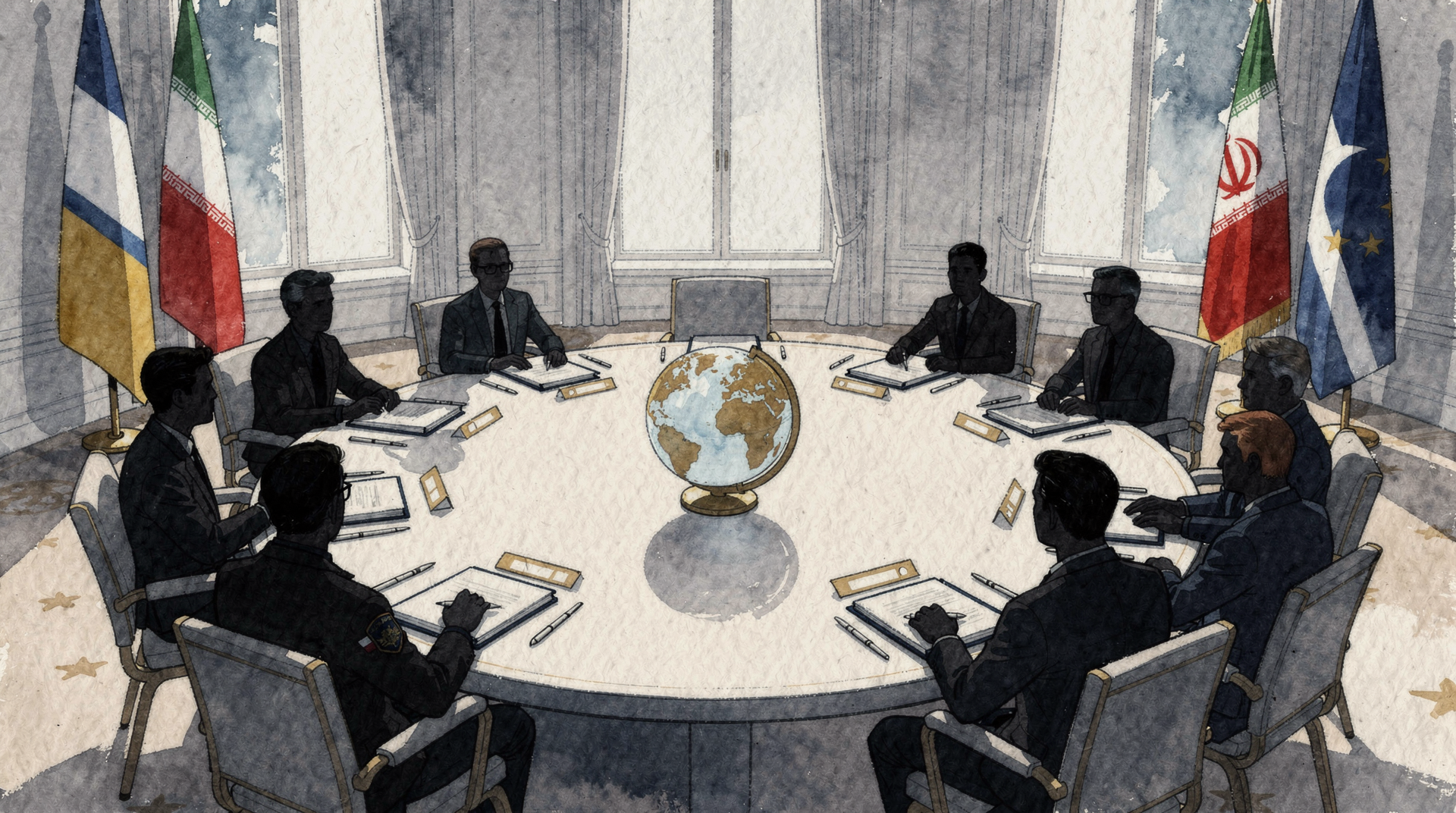
In a related development, the QUAD Foreign Ministers — from the United States, India, Japan, and Australia — met on the ASEAN sidelines for the first time at an ASEAN-hosted event. The group reaffirmed their commitment to a “free, open Indo-Pacific grounded in the rule of law,” a formulation widely understood as a counterweight to Chinese maritime assertiveness.
Rubio’s bilateral meeting with India’s foreign minister focused on regional security, the Iran conflict, and the framework for a potential U.S.-India trade agreement — adding an economic dimension to the security discussions.
The dual-theater framing carries practical implications for U.S. diplomatic posts across both regions. Embassies in Abu Dhabi, Doha, Kuwait City, Manama, and Muscat are directly exposed to Hormuz-related escalation, while posts in Manila, Tokyo, Seoul, and Taipei monitor South China Sea developments daily. Rubio’s statement signals that the State Department views the two theaters as strategically linked — a posture that could shape future security cooperation, arms sales, and naval deployments.