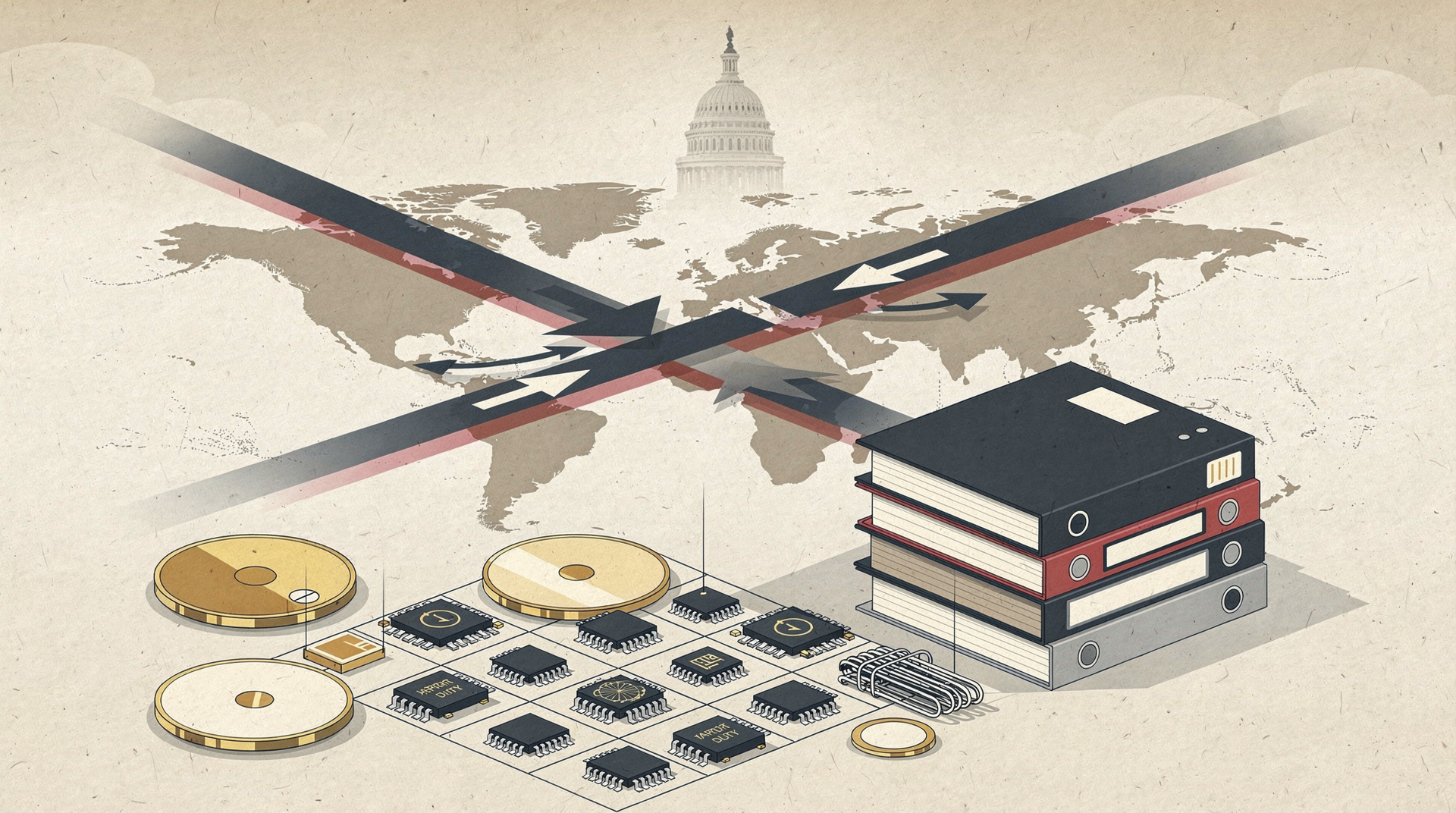
Sudan’s booming gold trade is financing a conflict that has killed an estimated 400,000 people, and the United Arab Emirates is directly implicated in sustaining the violence through its commercial ties to armed factions, according to an analysis published Monday by the Center for Strategic and International Studies.
The CSIS report found that Sudan produced 74.6 tons of gold in 2025, with revenues flowing to the Rapid Support Forces and other armed groups engaged in what the United States and international bodies have characterized as genocide. U.S. intelligence findings cited in the analysis document the UAE’s role in supporting the RSF, placing a key American diplomatic partner at the center of the crisis.
Congressional Democrats have written to Secretary of State Marco Rubio demanding action, creating a legislative-to-diplomatic pipeline that could force the administration’s hand on new sanctions. The European Union has already enacted its own sanctions targeting actors involved in Sudan’s conflict.
The CSIS analysis recommends that Washington target gold financing networks as a specific pressure point — an approach that would leverage existing Treasury Department authorities to disrupt the revenue streams sustaining the violence without requiring new legislation.
The findings place the U.S.-UAE relationship under fresh scrutiny. Abu Dhabi and Dubai are major diplomatic and commercial hubs for American interests in the Gulf region, and any sanctions action targeting UAE-linked entities involved in Sudan’s gold trade would carry significant bilateral consequences.
Humanitarian organizations have described the situation in Sudan as one of the world’s worst displacement crises, with millions forced from their homes and aid access severely restricted. The CSIS report argues that disrupting gold revenues represents one of the few remaining levers capable of altering the conflict’s trajectory.
Whether the administration moves to impose targeted sanctions on gold-trade networks — or continues to rely on diplomatic engagement with the UAE — will be closely watched by Congress, humanitarian groups and diplomats across the region in the weeks ahead.