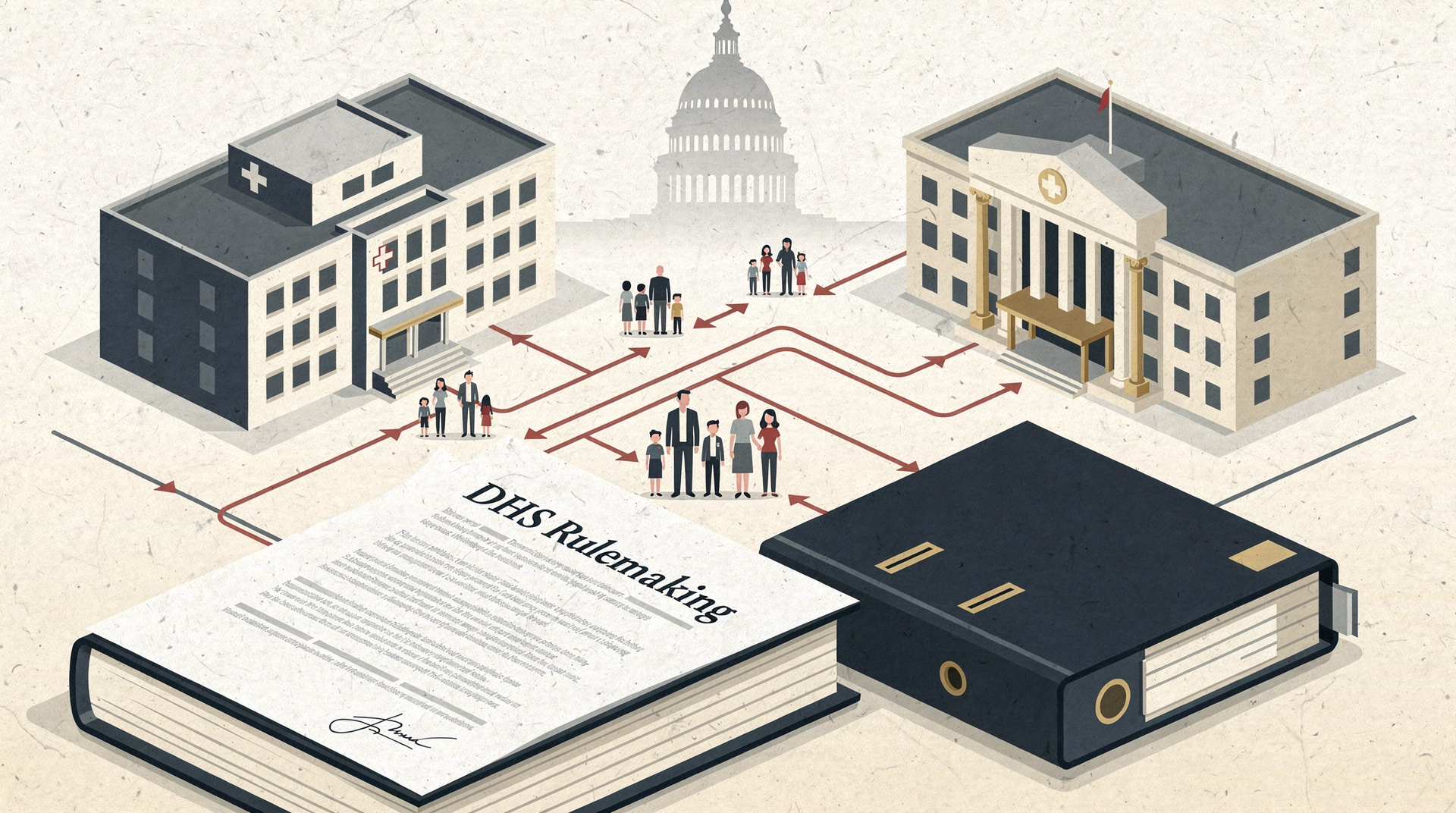
The Department of Homeland Security published a final rule on Sunday that rescinds the Biden-era public charge framework and replaces it with guidance granting immigration officers broad discretion to negatively weigh any “means-tested” benefit when evaluating applications for lawful permanent resident status, according to an analysis by the Center on Budget and Policy Priorities. The rule takes effect September 18.
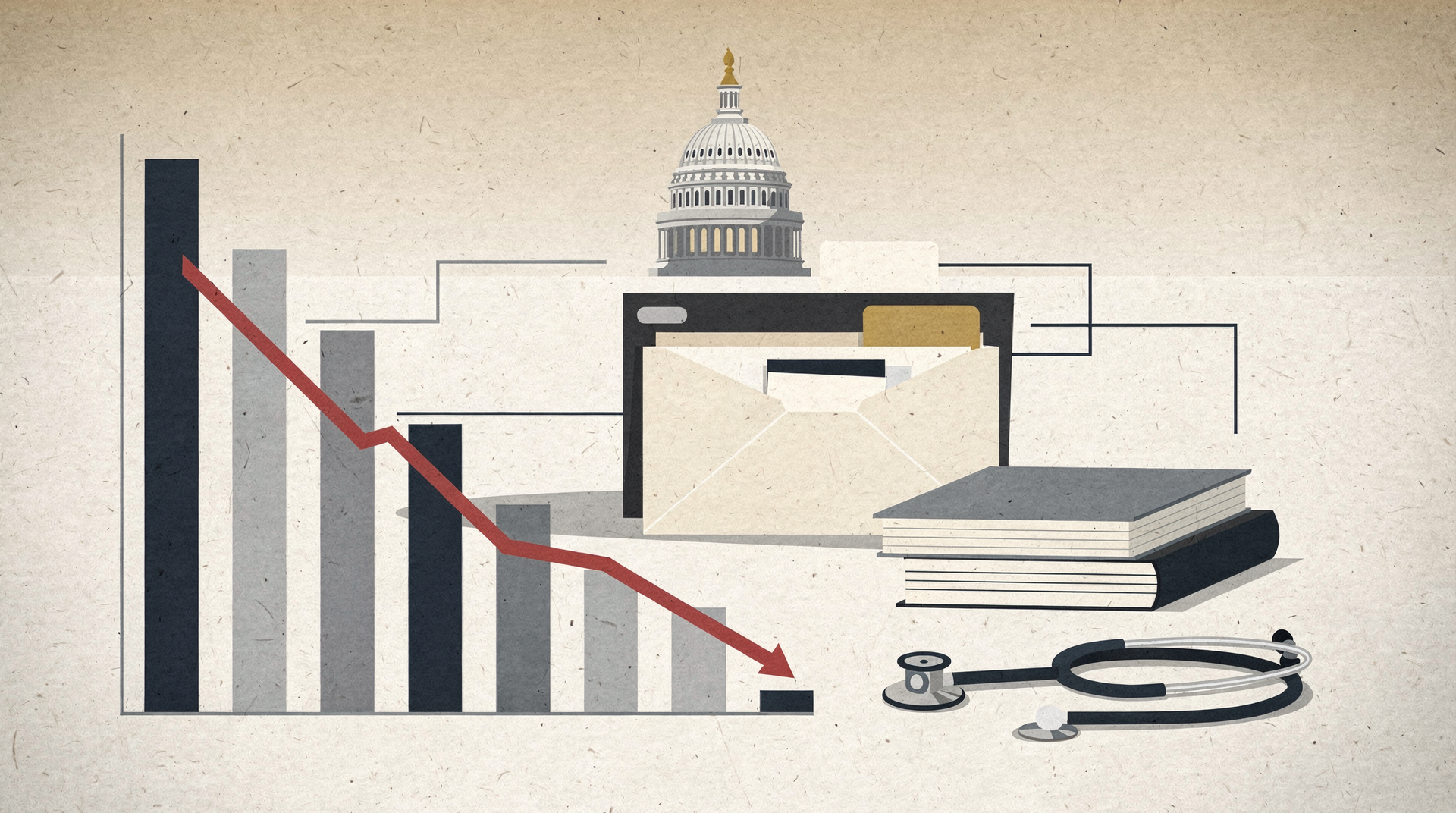
The regulatory change could trigger one of the largest health coverage disruptions since the Medicaid unwinding. KFF estimates that between 1.4 million and 4.1 million people could disenroll from Medicaid or the Children’s Health Insurance Program out of fear of immigration consequences — including 560,000 to 1.7 million U.S. citizen children who are themselves eligible regardless of their parents’ immigration status.
What makes the rule particularly consequential is what it does not say. Unlike the first Trump-era public charge rule — which explicitly named Medicaid, SNAP, and housing assistance as programs that could count against applicants — the new rule does not enumerate which benefit programs immigration officers will consider. Instead, the regulatory text indicates that officers may exercise individual discretion to weigh any “means-tested” benefit, and the rule’s preamble opens the door to considering benefits received by an applicant’s family members, including U.S. citizen children.
“This policy will almost certainly result in families that include immigrants forgoing vital supports they are eligible for,” CBPP warned, noting that the ambiguity will “lead people to forgo health coverage, food assistance, and other important benefits they need and qualify for under federal law.”
The chilling effect is well documented. During the first Trump administration’s public charge rule, 31% of adults in immigrant families where at least one member was not a lawful permanent resident avoided enrolling in non-cash benefit programs out of fear, according to CBPP. Courts ultimately halted that rule, but the coverage damage lingered.
The Associated Press reported that the final rule appeared in the Federal Register on July 20 and formally rescinds a 2022 Biden-era rule that had excluded non-cash benefits from consideration. KFF’s analysis, published the same day, found that about 13.5 million Medicaid or CHIP enrollees live in a household with at least one noncitizen — the population most directly exposed to the chilling effect.
Legal challenges are widely expected before the September 18 effective date. State Medicaid agencies, community health centers, and immigration attorneys now face the task of advising families on a rule whose practical boundaries remain undefined. For congressional staff tracking the issue, the Senate Judiciary and Homeland Security committees are the most likely venues for oversight hearings.