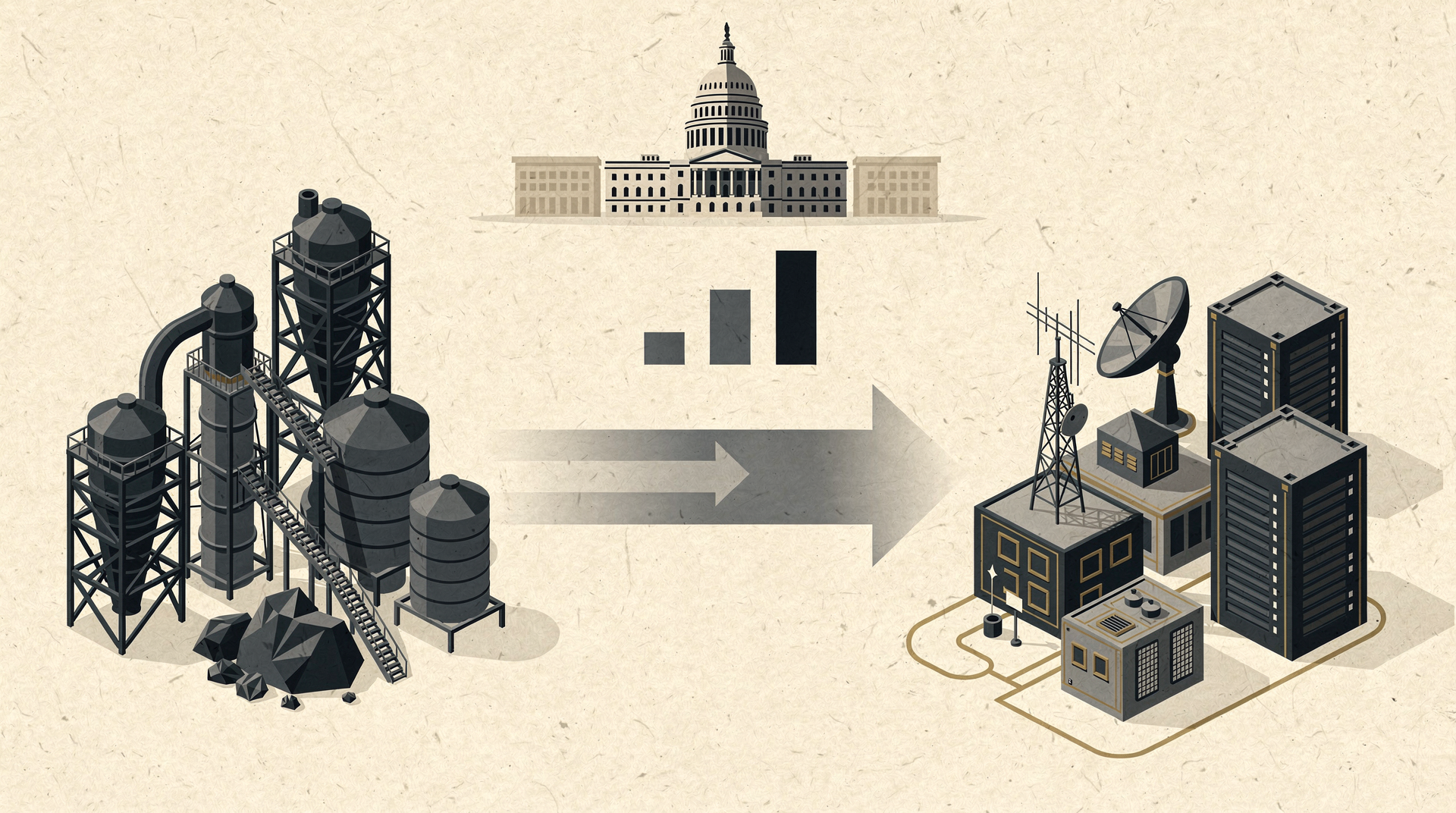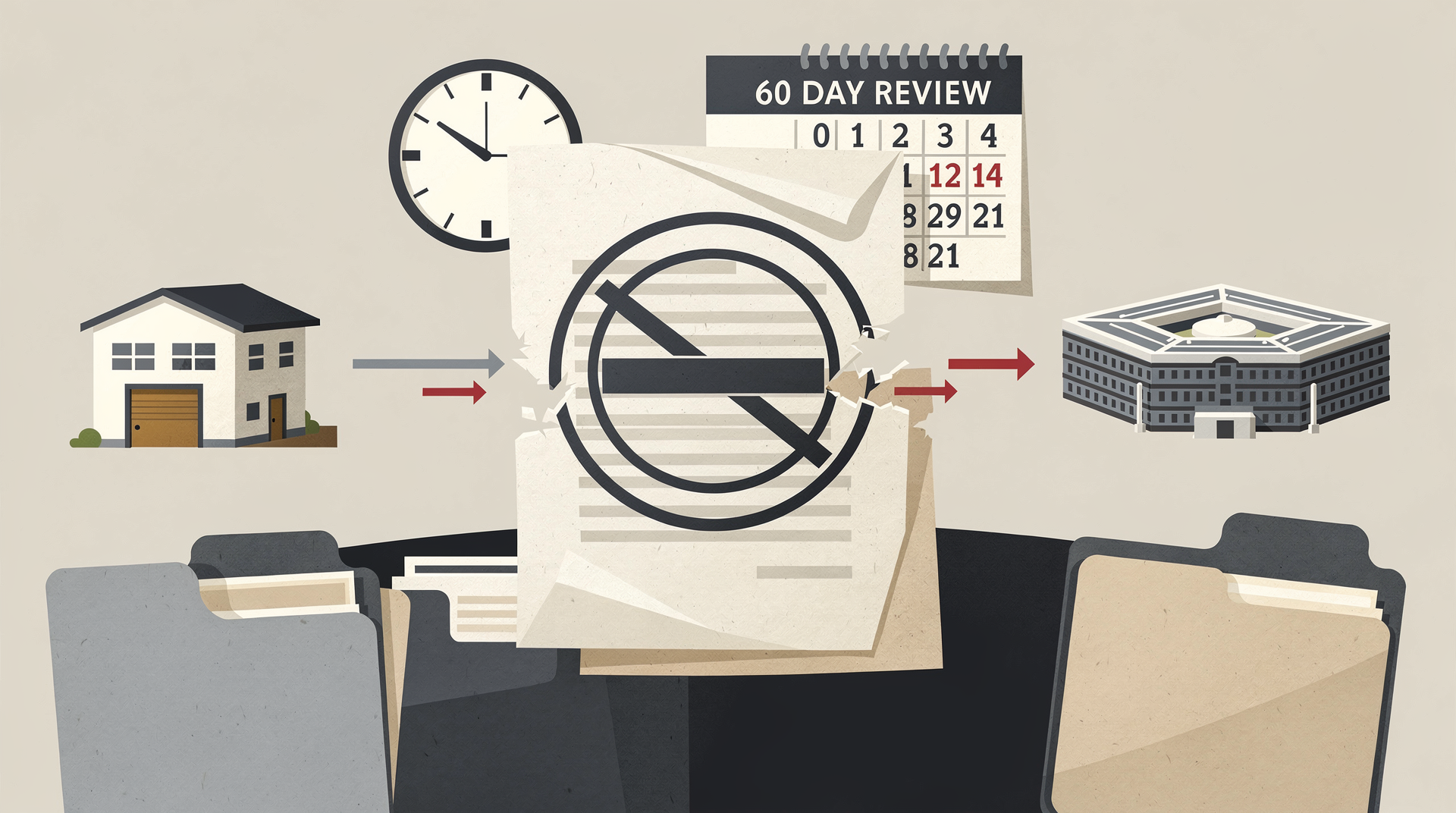
The Department of Defense suspended the second phase of its Cybersecurity Maturity Model Certification program on July 13, halting a requirement that would have compelled defense contractors handling controlled unclassified information to obtain third-party cybersecurity assessments by November.
The suspension, accompanied by a 60-day review, was announced after Small Business Administration Administrator Kelly Loeffler called CMMC an “untenable barrier” for small businesses and Under Secretary of Defense for Acquisition Michael Duffey cited “paralyzing costs,” according to a CSIS analysis published Wednesday examining the decision’s implications for the defense industrial base.
Phase II of CMMC would have required approximately 80,000 defense contractors to undergo third-party assessments certifying their cybersecurity practices before being eligible for new contracts. The November 10, 2026 deadline had been the primary enforcement mechanism for a program years in development, designed to protect controlled unclassified information flowing through the defense supply chain.
The CSIS analysis warned that the pause could widen the cybersecurity gap that has allowed state-sponsored actors — including Chinese cyber groups — to steal classified-adjacent defense data from small contractors for more than a decade. The timing is notable: the suspension came the same week that separate CSIS research demonstrated how Chinese AI-enabled cyber tools could exploit infrastructure vulnerabilities to delay U.S. military mobilization.
The tension at the center of the decision pits national security requirements against economic burden. Small defense contractors — many with fewer than 50 employees — have argued that the cost of third-party assessments and the cybersecurity infrastructure upgrades needed to pass them threatened to force them out of the defense market entirely.
The 60-day review is expected to produce recommendations by mid-September. Defense contractors, cybersecurity firms, and allied governments whose defense trade relies on the integrity of U.S. supply chains will be watching whether the program returns in its current form, is restructured, or is scaled back permanently.