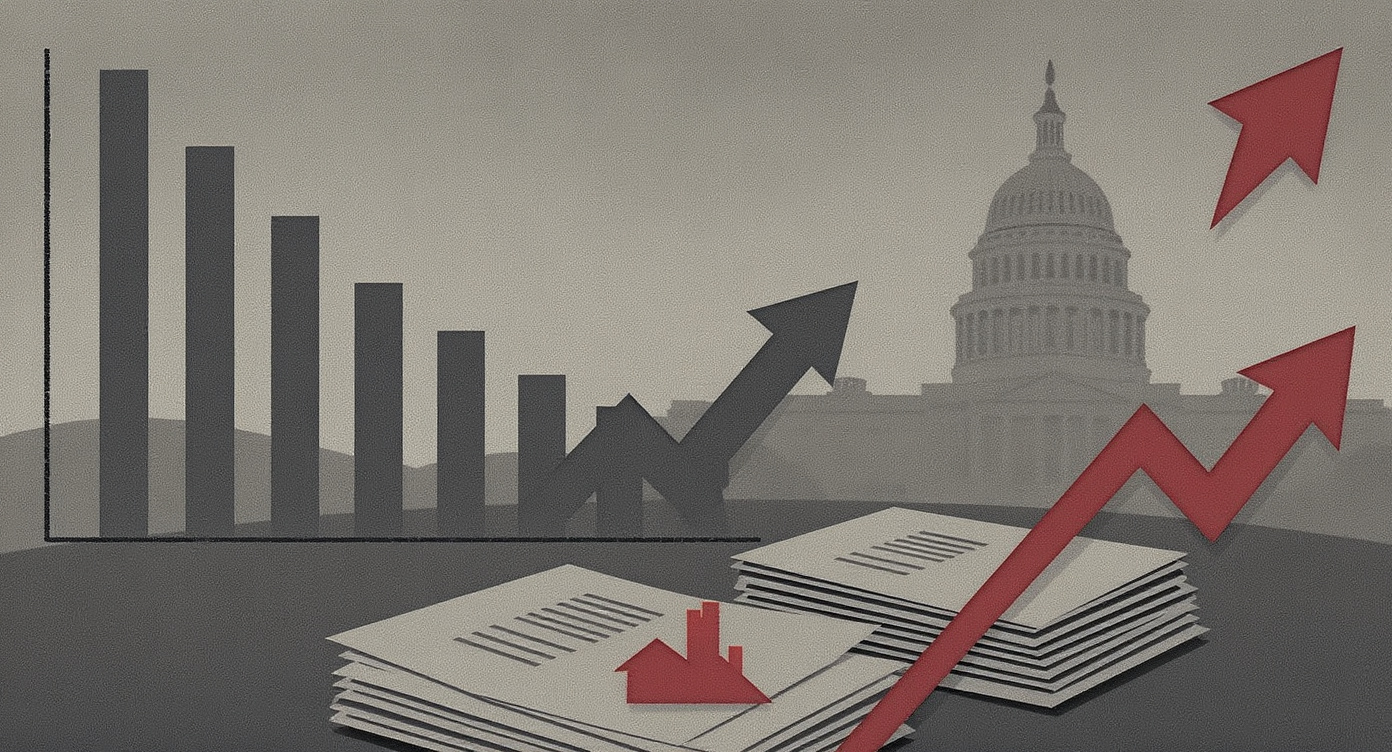
The U.S.-led war in Iran has cumulatively cost American consumers nearly $60 billion in higher gas prices and airline fares — roughly $450 per household — according to Moody’s Analytics estimates cited in a report released Sunday by the Democratic Congressional Campaign Committee.
The data, compiled by Moody’s chief economist Mark Zandi, tracks the surge in consumer energy spending since the conflict began on Feb. 28. The $450 per-household figure is composed primarily of higher gasoline costs, with additional increases in diesel and jet fuel passed through to consumers via airline fares. If prices remain at current levels, the average household could face nearly $2,000 in total additional energy costs by the war’s one-year mark, the analysis projects.
The added burden has already outpaced the boost many Americans received from this year’s larger federal income tax refunds, which averaged about $380 more per household. By mid-May, “the extra fuel cost outstrips the refunds,” CNBC senior economics reporter Steve Liesman said on air, according to a report by The Independent.
Gas prices averaged $4.39 per gallon for regular as of late last week — up nearly 40 percent from $3.17 a year ago, according to AAA data cited in the same report. The increases reflect supply disruptions tied to the Strait of Hormuz, where the conflict has constricted one of the world’s most critical oil transit corridors.
Democrats are wielding the Moody’s figures as a central line of economic attack heading into the 2026 midterms. DCCC spokesperson Aidan Johnson said families are “tapping into hard-earned savings and racking up higher credit card debt just to pay for the basics like gas and groceries.” The party argues that any savings delivered by the Republican “Big, Ugly Bill” tax package have been entirely erased by war-driven inflation.
Zandi has warned separately that the conflict risks “unmoored” inflation expectations — a scenario he said could force the Federal Reserve into interest rate hikes regardless of the broader economic damage. Benzinga reported in May that economist Ed Yardeni expected the Fed to adopt a tightening bias as early as its June meeting, with a possible 25-basis-point rate hike in July. A Goldman Sachs report similarly warned that “spending headwinds from higher inflation will weigh on spending growth for the rest of the year.”
The White House has maintained that energy prices will normalize once the Iranian threat is neutralized and Strait of Hormuz traffic resumes. President Trump has repeatedly dismissed concerns about gas prices, calling higher costs “peanuts” compared to the security stakes and telling Reuters in early March that prices would “drop very rapidly when this is over.”
Administration efforts to lower prices — including a suspension of the Jones Act to allow foreign-flagged ships to transport oil between U.S. ports — have had limited effect, according to industry analysts.
The Moody’s data lands as the House enters a week dominated by FY2027 appropriations markups. Treasury Secretary Scott Bessent’s Thursday appearance before Ways and Means is expected to address the fiscal picture, including war-related costs and their downstream effects on the broader economy.