Crime on the Washington Metropolitan Area Transit Authority system fell to its lowest level in agency history in Fiscal Year 2026, General Manager Randy Clarke announced at a press conference on Wednesday.
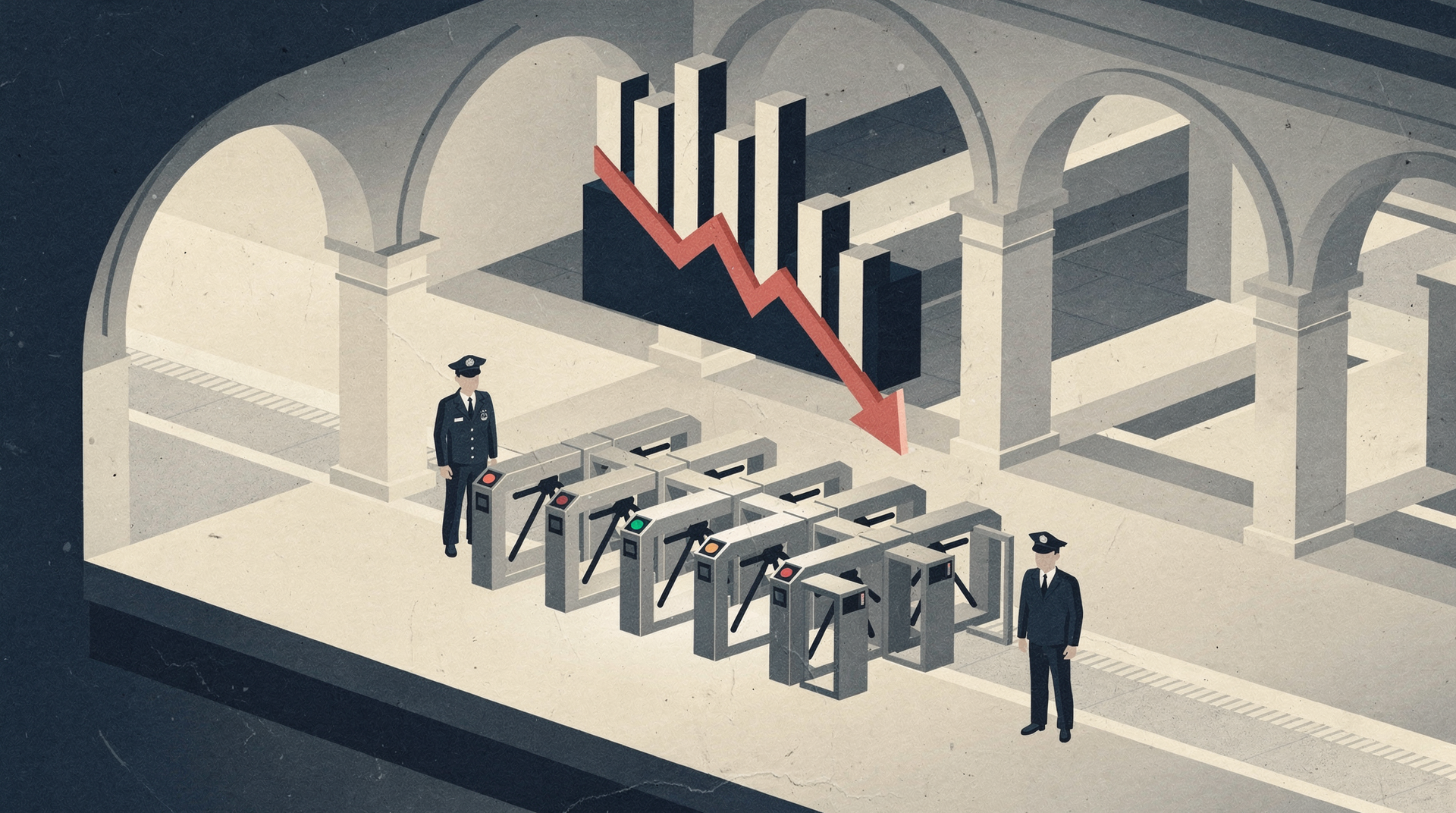
The data, covering the fiscal year ending June 30, showed a 61% decline in crime per million rides compared to FY2023 — a period during which Metro implemented an aggressive, multi-pronged enforcement strategy that included a controversial National Guard deployment and an unprecedented crackdown on fare evasion.
“We are the safest Metro has ever been. We believe we are the safest transit agency in the country,” Clarke said at the briefing, according to reports confirmed by NBC Washington, Fox5 DC, and WJLA citing the official WMATA press conference.
The fare enforcement numbers are particularly striking. Metrobus alone issued more than 9,600 fare evasion citations in FY2026 — compared to just seven in all of FY2023 — representing a 908% surge in enforcement activity across the system. The sharp increase reflects a deliberate strategic pivot by WMATA leadership, which has argued that visible enforcement of low-level offenses creates a deterrent effect across the entire crime spectrum.
Clarke acknowledged the role of the National Guard, whose members have been stationed in Metro facilities as part of a deployment that has drawn both praise and criticism. The Guard provides “more eyes and ears” throughout the system, Clarke said, though he declined to take a political position on the deployment itself — a careful non-answer that underscores the political sensitivity surrounding the use of military personnel in civilian transit spaces.
The results are likely to reverberate beyond the District. WMATA is a federally funded transit agency, and its safety outcomes carry direct weight in Congressional transit reauthorization and safety-grant debates. Lawmakers and the U.S. Department of Transportation have increasingly scrutinized transit crime as ridership recovery from the pandemic era has stalled in several major systems nationwide.
Despite the headline gains, WMATA officials acknowledged that challenges remain. Drug offenses, disorderly conduct, and weapons violations continue to pose persistent problems, and the agency cautioned that sustaining the improvement will require continued investment in both enforcement personnel and social service interventions.
The question now shifts to whether WMATA’s enforcement-heavy approach — bolstered by a military presence — becomes a replicable model for other federally supported transit systems or whether it remains an exceptional case shaped by Washington’s unique security infrastructure.