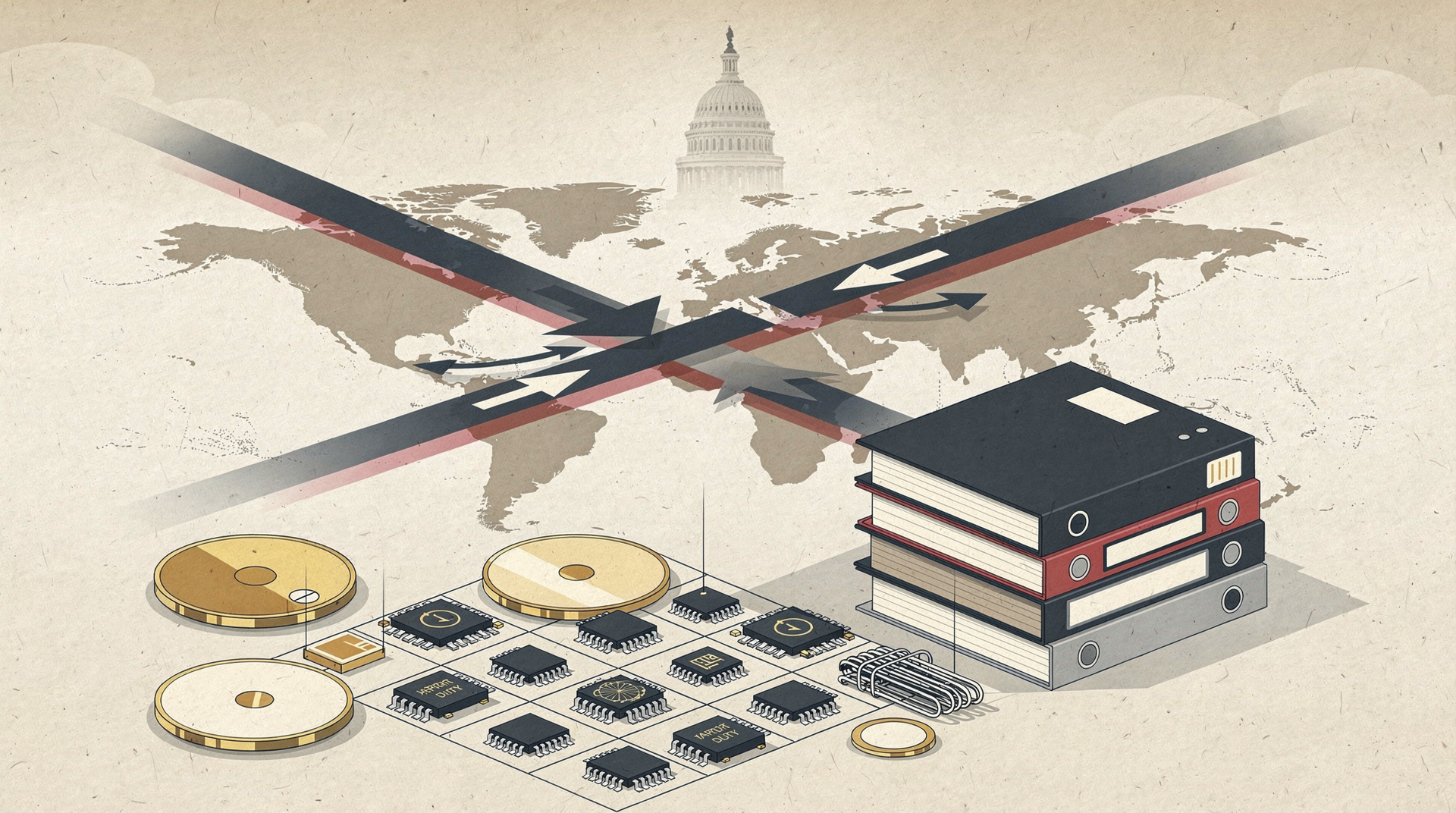


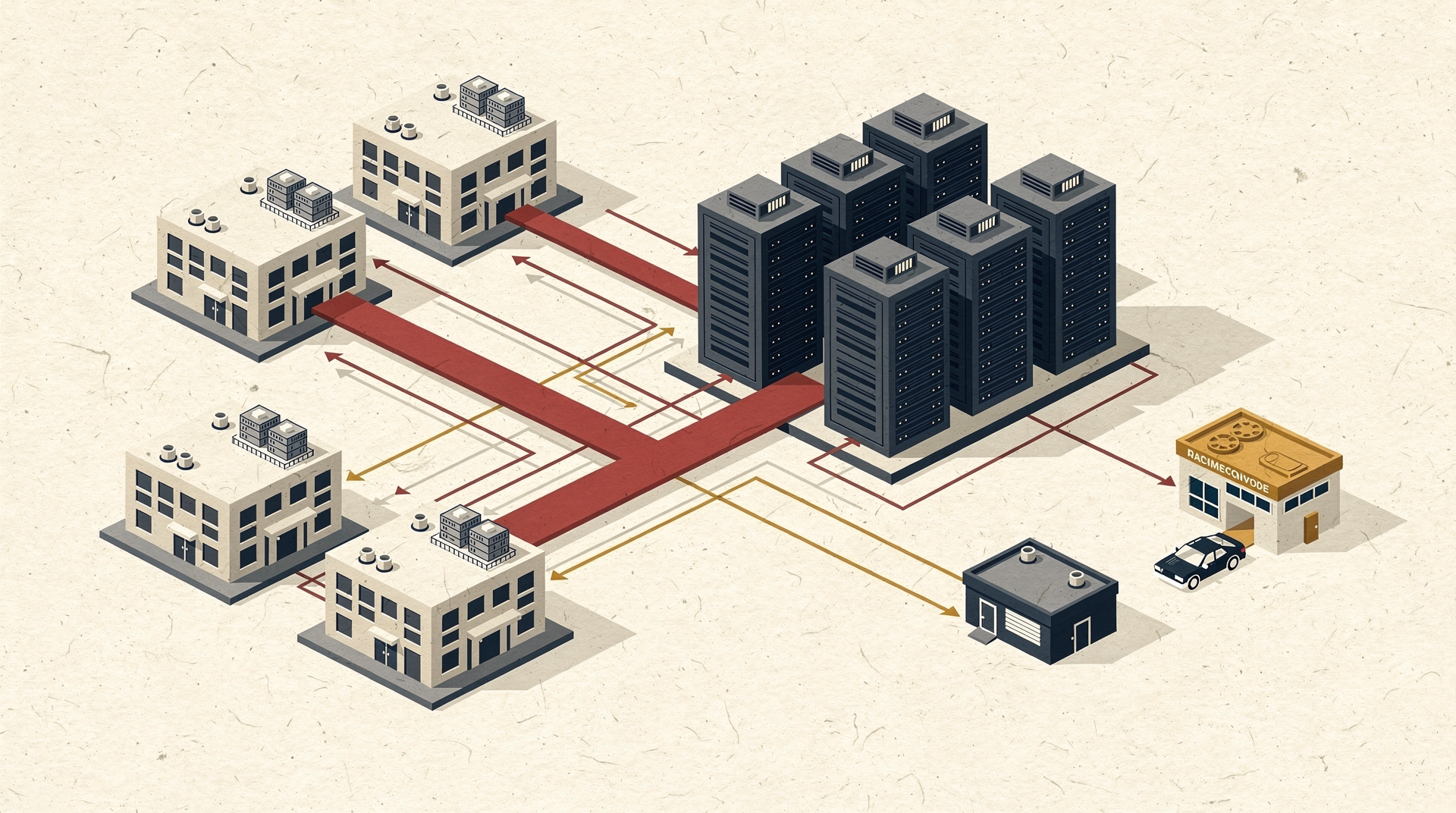
The expansion of artificial intelligence data centers is consuming up to 70 percent of all memory chips produced globally this year, crowding out consumer electronics, automotive, and industrial buyers in what analysts are calling the worst semiconductor shortage in history, the Center for Strategic and International Studies warned this week.
The CSIS Critical Questions analysis, published under the title “The United States’ Accelerating Memory Chip Crunch,” details how the explosive buildout of AI computing infrastructure has created a supply crisis with no clear end date. SK Hynix CEO Kwak Noh-jung has described the current shortage as the “worst” in the industry’s history, while Intel CEO Lip-Bu Tan has said he sees “no relief until 2028.”
Only three firms — Micron Technology of the United States, and South Korea’s SK Hynix and Samsung Electronics — control approximately 95 percent of the global memory chip market. That extreme concentration leaves consumer electronics manufacturers, automakers, and industrial producers competing for a shrinking share of output as AI data centers absorb the majority of production.
The shortage has driven a sharp increase in memory chip prices and is intensifying calls from some industry voices to allow imports from Chinese competitors, particularly ChangXin Memory Technologies. CXMT has expanded its DRAM production capacity in recent years and could offer a pressure valve for supply-constrained buyers.
However, CXMT is designated as a Chinese military company under Section 1260H of the National Defense Authorization Act — the same designation that prompted seven U.S. senators to demand on Wednesday that Apple commit to rejecting CXMT chips from its products worldwide.
The collision between supply scarcity and national security restrictions poses a direct challenge for international business executives, importers, and technology companies. Firms dependent on memory chips for consumer devices, data storage, and automotive systems face rising costs and extended lead times, with few compliant alternatives available at scale.
CSIS noted that the shortage also raises questions about U.S. technology leadership. Without sufficient domestic or allied memory production capacity, the United States risks ceding leverage in the broader semiconductor competition with China — even as it tightens export controls designed to limit Beijing’s access to advanced chip technology.
The analysis suggests the supply imbalance will persist through at least 2028, when new fabrication plants currently under construction in the United States and South Korea are expected to begin producing at scale.