Rep. Ro Khanna (D-CA) on Saturday called U.S. airstrikes against Iran “a blatant violation of the War Powers Resolution” and said he would seek legal action against the Trump administration, escalating a dispute between Congress and the White House over war-making authority.
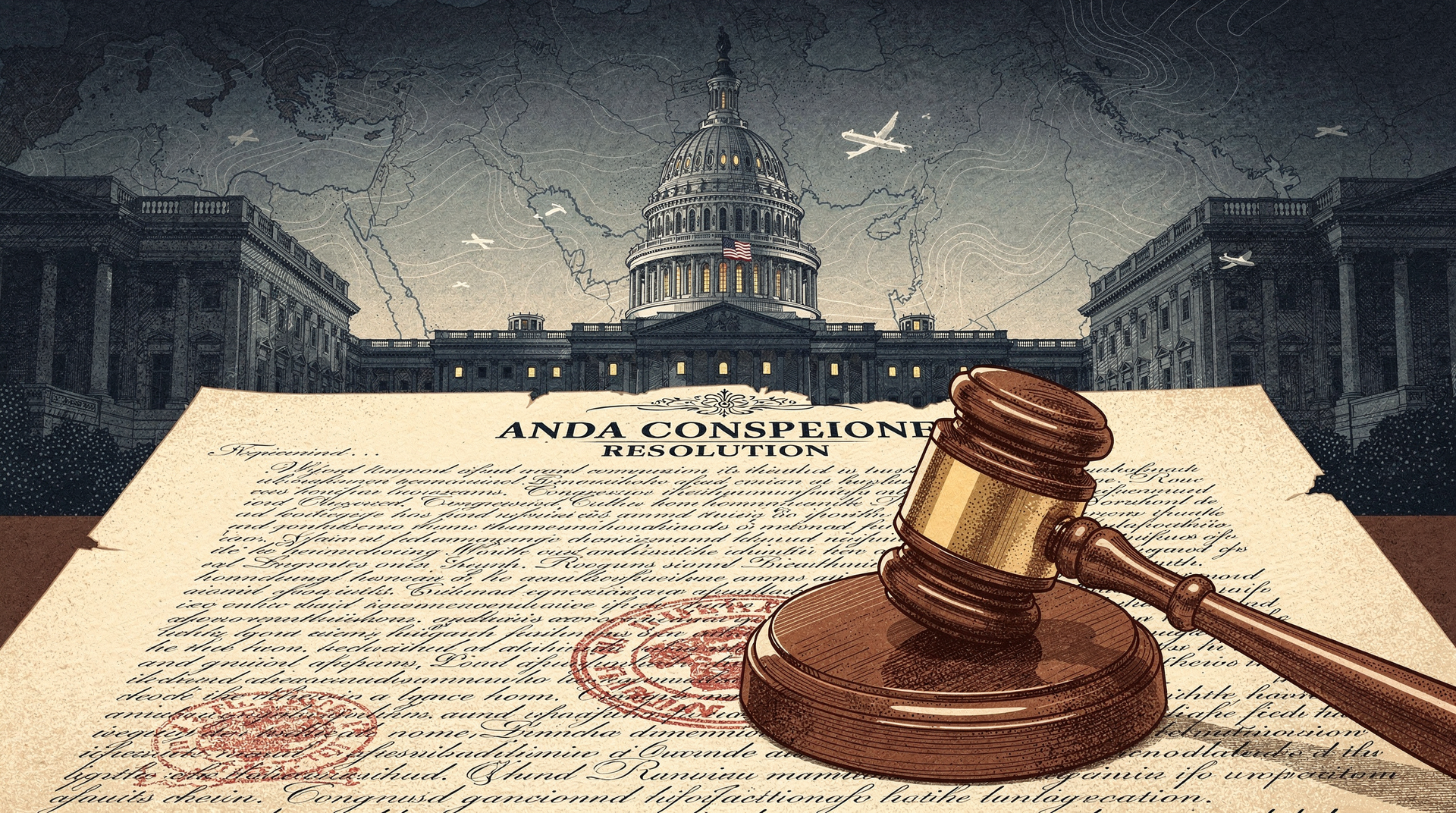
The dispute follows passage of a concurrent resolution under the 1973 War Powers Resolution directing the withdrawal of U.S. forces from hostilities with Iran. It raises questions about whether Congress can enforce such resolutions through the courts and whether lawmakers would have standing to sue.
U.S. Central Command struck Iranian military sites on Friday and again Saturday, according to Al Jazeera, after the administration accused Tehran of targeting a vessel in the Strait of Hormuz. Iran retaliated by striking U.S. military positions in Kuwait and Bahrain, raising the prospect of broader regional escalation and threatening the fragile memorandum of understanding Trump and Iranian President Masoud Pezeshkian signed on June 17.
The bipartisan War Powers Resolution cleared the House on June 3 in a 215–208 vote, with four Republicans crossing over, and the Senate followed on June 23 with a 50–48 vote. Sens. Rand Paul (R-KY), Lisa Murkowski (R-AK), Susan Collins (R-ME), and Bill Cassidy (R-LA) voted in favor; Sen. John Fetterman (D-PA) was the only Democrat to oppose it. The concurrent resolution directs the president to “remove United States Armed Forces from hostilities against the Islamic Republic of Iran” unless explicitly authorized by a declaration of war or specific statutory authorization.
Khanna, who sponsored the House version, told The Lever earlier this month that if the resolution passed the Senate, he would work with “House counsel to urge leadership to bring a court case to enforce the Iran War Powers Resolution.” The legal path, however, is uncertain. A 1983 Supreme Court ruling in INS v. Chadha is widely interpreted to hold that concurrent resolutions — which are not submitted for a presidential signature — lack the force of law. But key justices in that decision suggested the analysis might differ where the Constitution explicitly vests authority in Congress, as it does with the power to declare war.
Constitutional lawyer Bruce Fein told Al Jazeera that “the vote took place because the Constitution, supplemented in part by the War Powers Resolution, entrusts the war power exclusively to Congress and prohibits presidential wars like Iran.”
The war against Iran has proved deeply unpopular domestically. A Reuters/Ipsos poll released last week found that just 24 percent of respondents believed the conflict has been worth the cost.
Whether the bipartisan coalition that passed the resolution will hold under escalation pressure remains an open question. Trump called the four Republican senators who voted for the measure “losers” and said they had made his negotiating position harder. The Pentagon is simultaneously seeking an $80 billion supplemental appropriation, largely to replenish munitions depleted by the Iran campaign — a request that gives Congress additional leverage if it chooses to exercise it.
Congress is expected to revisit the issue after returning from the July 4 recess. Khanna has said he intends to pursue litigation, while the administration has continued military operations despite passage of the concurrent resolution.