

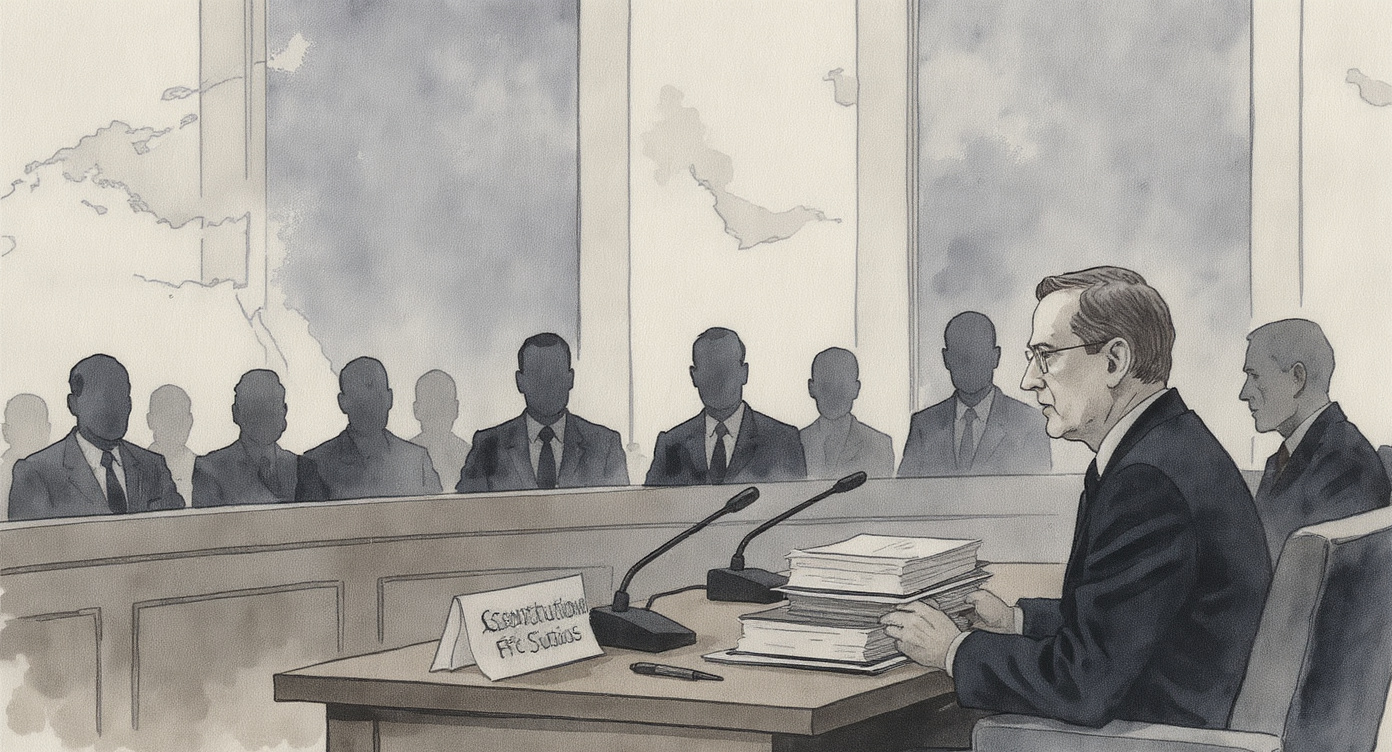
Sen. Tim Kaine confronted Secretary of State Marco Rubio on Monday during a Senate Foreign Relations Committee hearing, accusing the administration of waging a 92-day war against Iran while refusing to let any member of Congress review the legal opinion justifying the conflict.
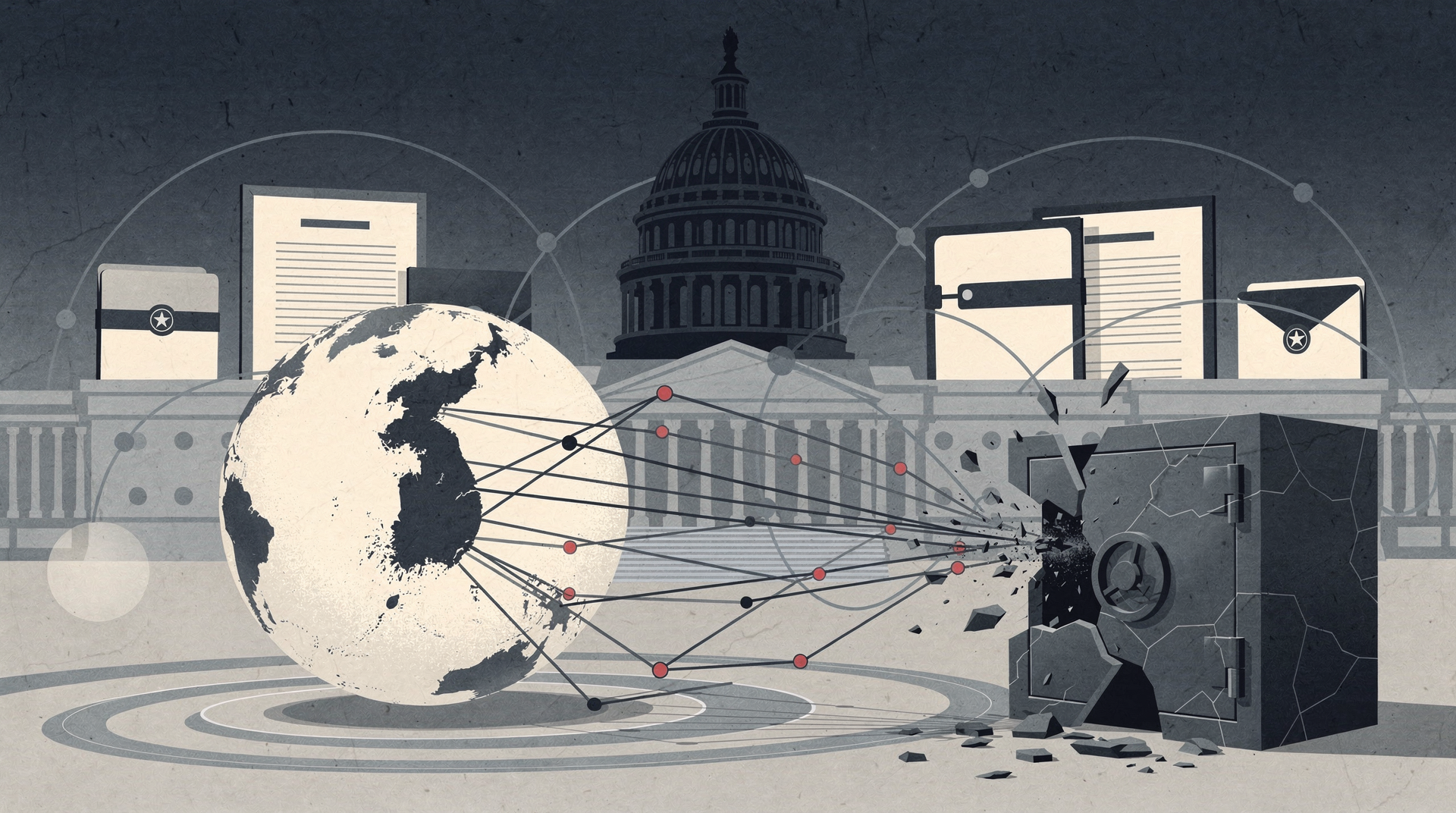
The exchange represents the sharpest articulation yet of a constitutional standoff between the executive branch and congressional oversight committees over the legal foundations of Operation Epic Fury, which began on Feb. 28. For legislators on both sides of the aisle who claim oversight authority over military operations, the administration’s refusal to share the Office of Legal Counsel opinion is without recent precedent.
“We’re over 92 days into a war against Iran, and the Administration will not let Congress look at the OLC legal opinion justifying the war,” Kaine said during the hearing, according to his office. “Intel Committee members, SFRC members, Armed Services Committee members, rank and file members — the Administration will not make it available to us.”
Kaine pressed Rubio directly on the logic of the refusal. “You’ve showed us the legal rationale for two wars, and you won’t show us the legal rationale for the third,” he said. “Is there something in the rationale they don’t want us to see?”
The confrontation came as Rubio appeared before the committee to defend the State Department’s budget request. During that hearing, Kaine also raised questions about the targeting criteria for U.S. boat strikes in the Caribbean and Pacific, which he said do not require evidence that narcotics are present before a vessel is struck.
Legal scholars have questioned the war’s legal footing since its outset. An analysis by Just Security, a forum based at the NYU School of Law, argued in May that the conflict was “triply illegal” — violating the Constitution’s vesting of war powers in Congress, the UN Charter’s prohibition on the use of force absent Security Council authorization or self-defense, and the War Powers Resolution’s 60-day termination requirement.
The administration has maintained that a temporary ceasefire ordered on April 7 halted the War Powers clock. But NBC News reported that legal experts rejected that argument, noting that the United States continues to enforce a naval blockade of Iranian ports with carrier strike groups, more than 100 aircraft, and over a dozen warships. Michael Glennon, a professor of constitutional and international law at Tufts and a former legal counsel to the Senate Foreign Relations Committee, told NBC News the administration’s position is “a stretch” — “That’s not a ceasefire. It’s not a suspension of hostilities.”
Kaine’s War Powers Resolution to end the conflict advanced the Senate in May. The senator has been a persistent advocate for congressional authority over military action across multiple administrations, but the refusal to share even the legal rationale with oversight committees marks a new front in the dispute.