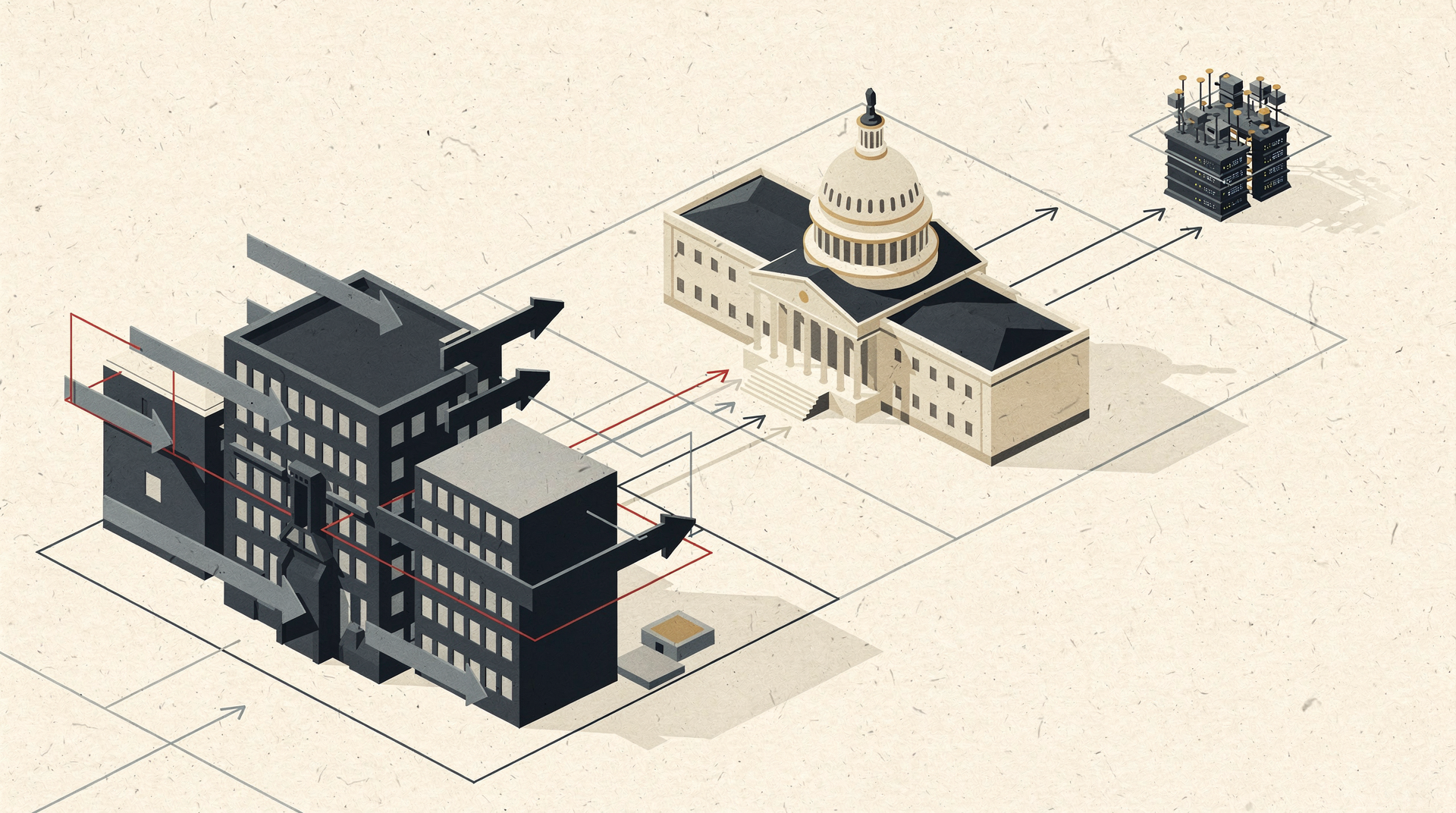
The Treasury Department on Sunday issued General License X, a sweeping 60-day authorization allowing transactions involving Iranian crude oil, petrochemicals, and petroleum products — with no escrow mechanism, no volume cap, and no transaction-level reporting requirements, the Foundation for Defense of Democracies warned on Monday.
The license, tied to a U.S.-Iran memorandum of understanding signed June 17, represents the most expansive rollback of American oil sanctions on Iran since the 1979 Islamic Revolution. It permits dollar-denominated payments for Iranian oil and covers sales, production, delivery, and offloading through August 21. But analysts say the absence of standard oversight mechanisms creates a direct pipeline for Iranian rearmament without U.S. visibility into the financial flows — a critical gap for congressional oversight and Middle East stability.
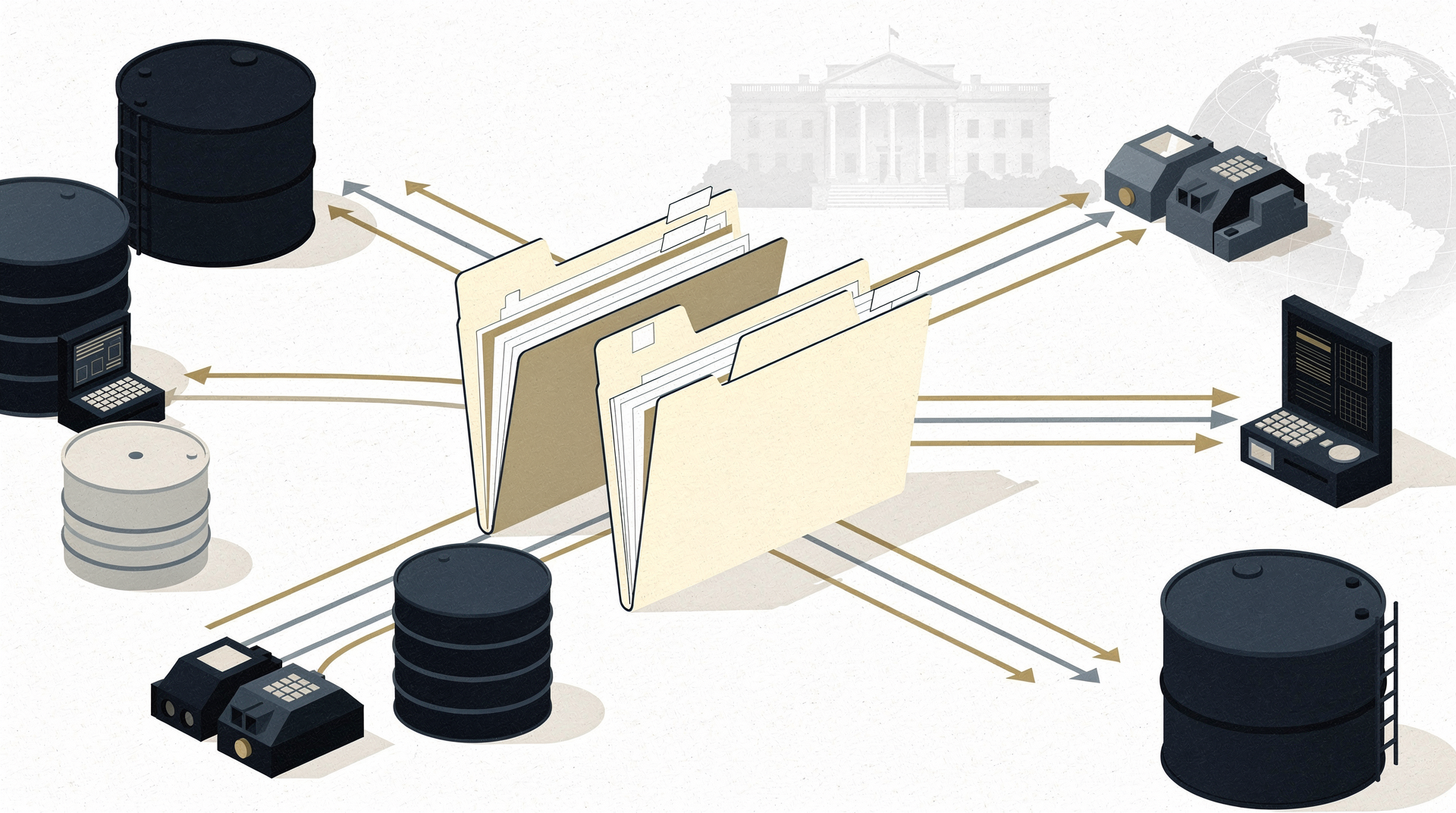
FDD research fellow Max Meizlish wrote that GL X contains none of the safeguards typically attached to sanctions relief: no restrictions on Iran’s use of proceeds, no approved list of buyers or participating banks, and no reporting requirements that would give Treasury or Congress insight into the purchasers, vessels, or payment routes involved. “Together, they amount to a sustained reopening of Iran’s most important revenue stream,” said Miad Maleki, a former Treasury sanctions official and now a senior fellow at FDD.
The oversight gap is significant because Iran’s state budget allocates roughly one-third of oil revenues — about $12.4 billion — to its armed forces and the Islamic Revolutionary Guard Corps, which controls much of the sectors covered by the license. Less than a month before issuing GL X, Treasury itself warned that “Iran’s military oil sales … enable the regime’s ability to fund the rebuilding of its armed forces.” The IRGC remains a U.S.-designated Foreign Terrorist Organization. FDD noted that while an OFAC license can authorize transactions, it cannot eliminate the criminal material-support exposure that dealings with the IRGC may create — a legal tension the license does not resolve.
CNBC reported that the license could unlock a floating inventory of roughly 67 million barrels of Iranian crude stranded in the Gulf, potentially delivering $8 to $9 billion to Tehran. Chinese “teapot” refineries, which already purchase approximately 90 percent of Iran’s oil exports, are expected to ramp up purchases during the 60-day window. Before the U.S. blockade imposed in April, Iran was loading more than 1.5 million barrels per day for export; loadings had plummeted to just 260,000 barrels per day in May.
Treasury Secretary Scott Bessent said the authorization followed “productive talks” in Switzerland, noting Iran committed to free transit through the Strait of Hormuz and to readmitting International Atomic Energy Agency inspectors. President Trump defended the move, saying oil profits were intended for Iran to purchase American agricultural goods, according to CNBC.
FDD is urging Congress to invoke the Iran Nuclear Agreement Review Act, which requires the president to notify Congress of the details of any negotiations involving Iran’s nuclear program. The foundation warned that GL X may provide “the functional equivalent of statutory waivers without requiring the administration to invoke waiver authorities that carry congressional reporting or notification requirements.” The immediate question is whether GL X is the first in a series of concessions before Iran takes verifiable steps on its nuclear program — and whether the 60-day window will be extended.