Iran over the weekend hardened its conditions for reopening the Strait of Hormuz, demanding war reparations, the withdrawal of U.S. forces from the region, and the lifting of all sanctions before it will allow commercial traffic to resume — an escalation that analysts warn could prolong the energy crisis well into the fall and deepen a structural economic divide between the United States and China.
The standoff, which entered its sixth month this week, has driven global energy prices sharply higher and contributed directly to the inflation spike now straining the U.S. economy. The strait carried roughly 20 percent of global oil supply and a fifth of the world’s liquefied natural gas before Iran declared it closed to most maritime traffic in late February following U.S.-Israeli strikes.
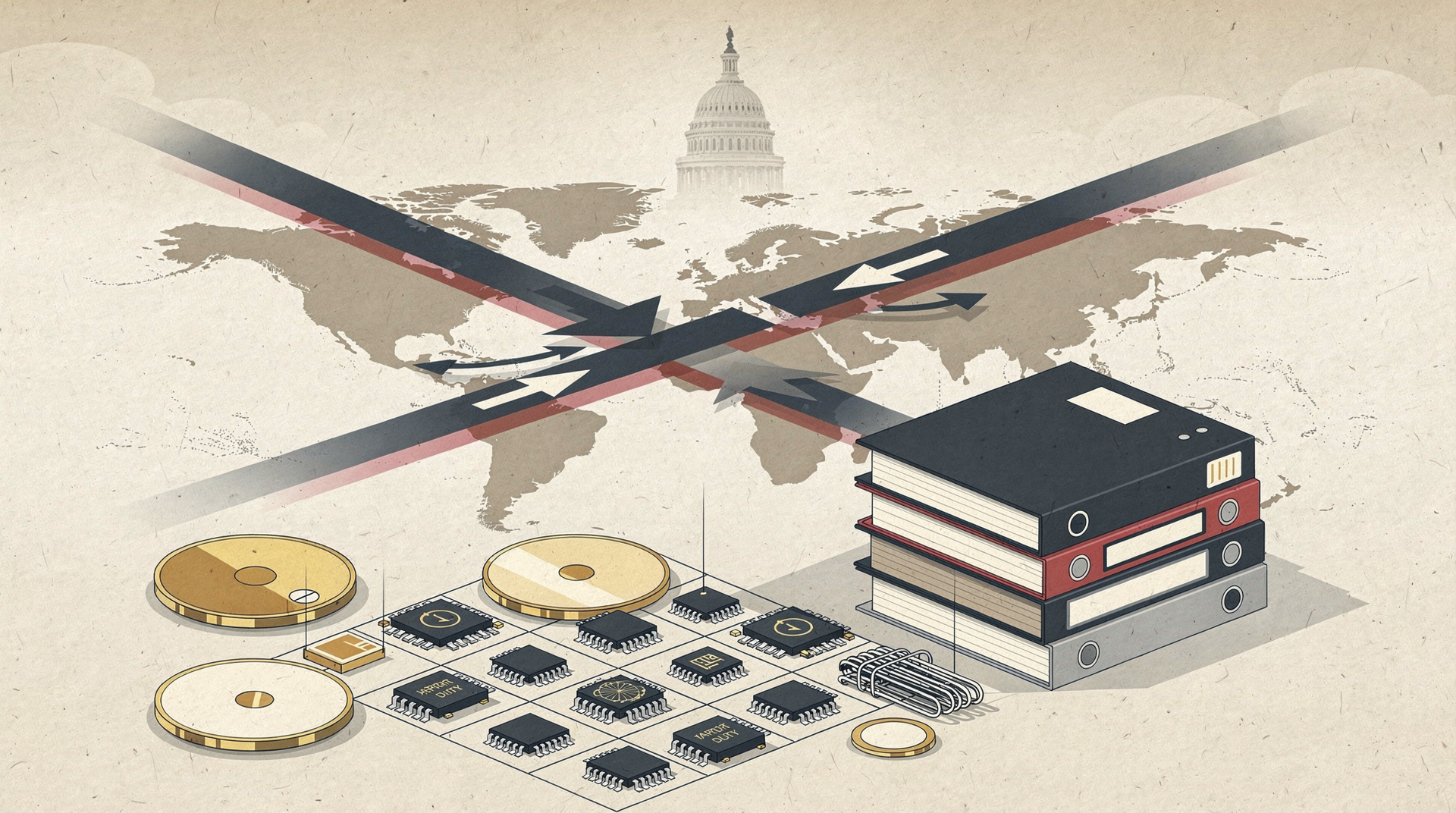
Brookings Institution scholar Scott Moore, in a policy brief published Sunday, argued that the crisis is playing out in fundamentally different ways for the world’s two largest economies. The United States has responded by ramping oil and gas production, exporting a record 5.6 million barrels per day of crude in May 2026. China, by contrast, sharply cut oil imports by 3.6 million barrels per day — a quantity roughly equivalent to Japan’s total demand — while surging clean-technology exports. Chinese EV exports hit a record $9.2 billion in May, up 49 percent year-over-year, while solar exports reached a record 68 gigawatts in March, nearly 50 percent above the previous monthly high.
Moore described this divergence through what he called the “electrostates vs. petrostates” framework: the U.S. is doubling down on fossil fuel supply while China positions itself to profit from both the immediate crisis and the longer-term shift to clean energy. “Without bold policy action, the United States is positioned to benefit only from the immediate scramble for fossil fuels, while China is positioned to benefit from both the crisis and the gradual shift to clean energy,” Moore wrote.
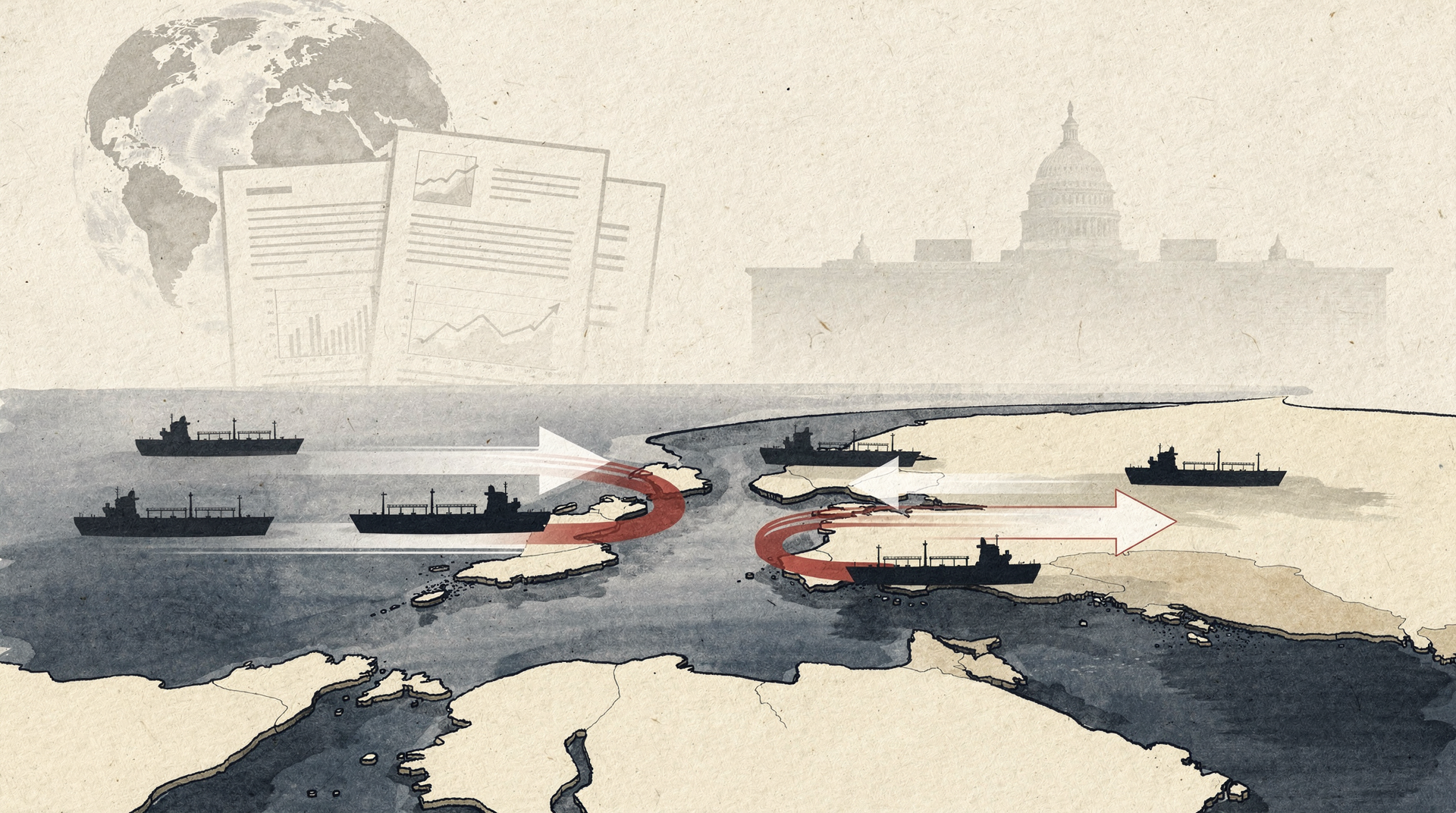
On the diplomatic front, CNBC reported Sunday that President Trump signaled a shift from military escalation to economic pressure. “We are low-keying it,” Trump told Axios. “We are just watching Iran with its huge inflation and the fact they have no money.” The U.S. military has redirected 55 commercial vessels away from Iranian ports under its naval blockade as of Sunday, up from 35 a week earlier.
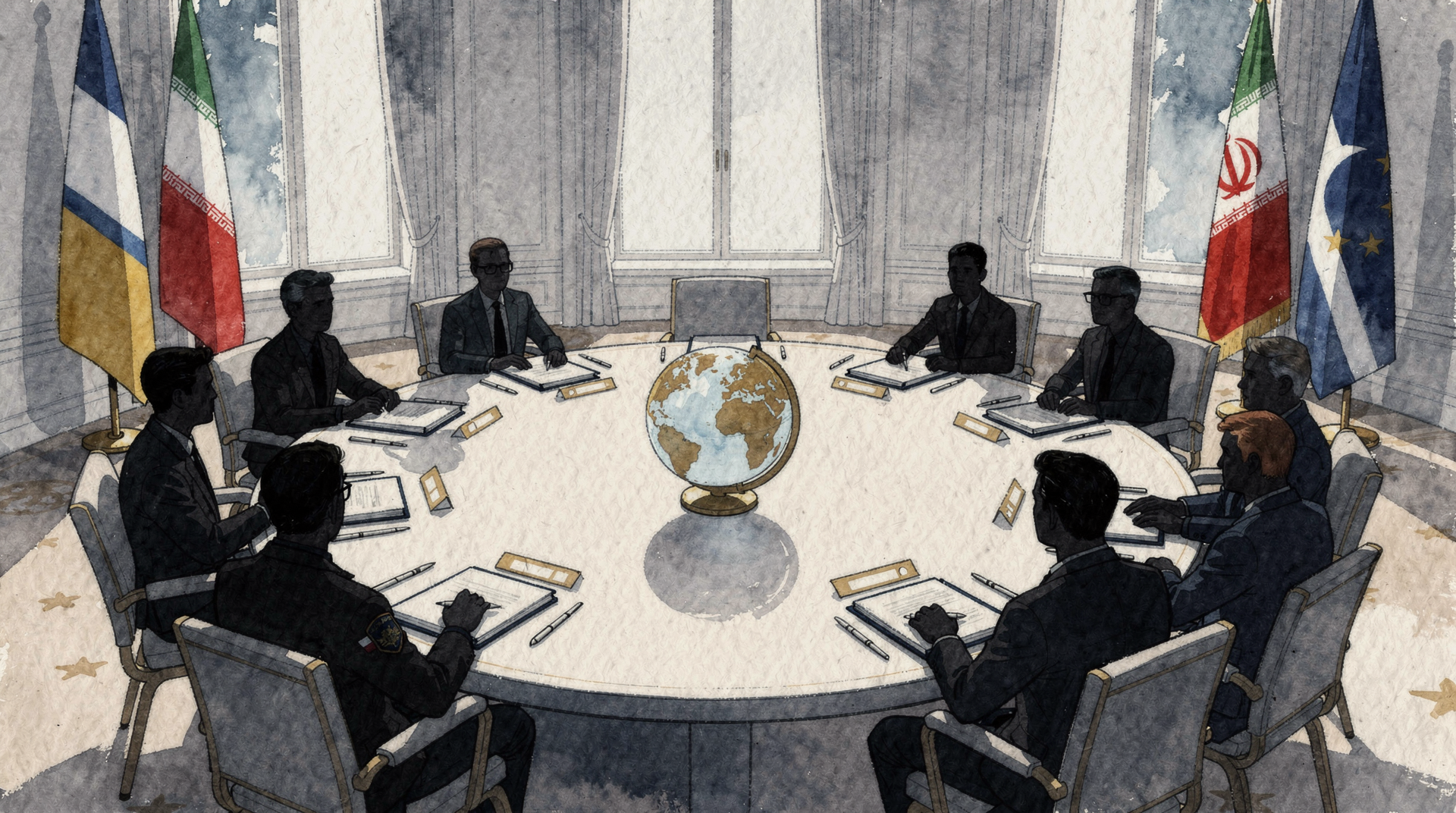
Iranian Foreign Minister Abbas Araghchi said there was “no possibility of restarting negotiations” while the U.S. continues what Tehran calls violations of a June memorandum of understanding. Oman-mediated talks aimed at defining limited transit routes through the strait have progressed but would not fully reopen the waterway, Araghchi said. The United Arab Emirates reported Saturday that Iran launched a missile at an oil tanker attempting to transit the strait, underscoring the continuing threat to commercial shipping.
The Associated Press reported Friday that Iranian leaders believe time is on their side, calculating that the war’s unpopularity with American voters and persistently high gasoline prices ahead of November’s midterm elections will pressure Washington toward concessions.
Moore recommended three policy shifts for the United States: negotiating technology transfer and U.S. production requirements with Chinese clean-energy producers in exchange for tariff relief; creating a “Cleantech Strategic Reserve” analogous to the Strategic Petroleum Reserve; and accelerating commercialization of next-generation energy technologies where U.S. firms hold competitive advantages, including fusion energy, enhanced geothermal, and perovskite solar cells.
The policy question for Washington is whether the Hormuz crisis will be treated as a short-term supply disruption or a signal demanding structural energy adaptation. As Moore concluded: “Whether the United States treats the 2026 shock as an occasion for structural adaptation…will determine whether it leads the energy transition or falls victim to it.”