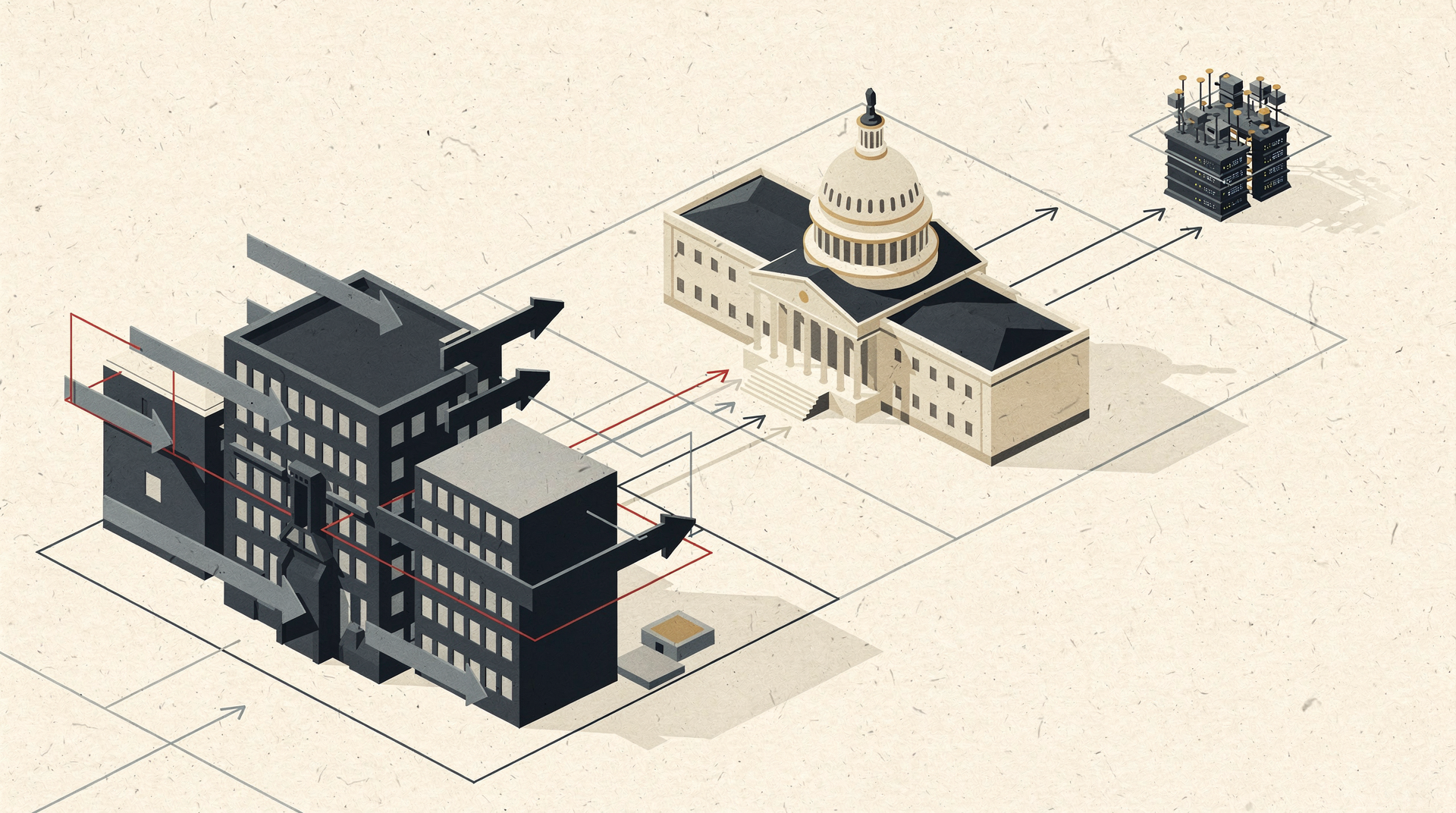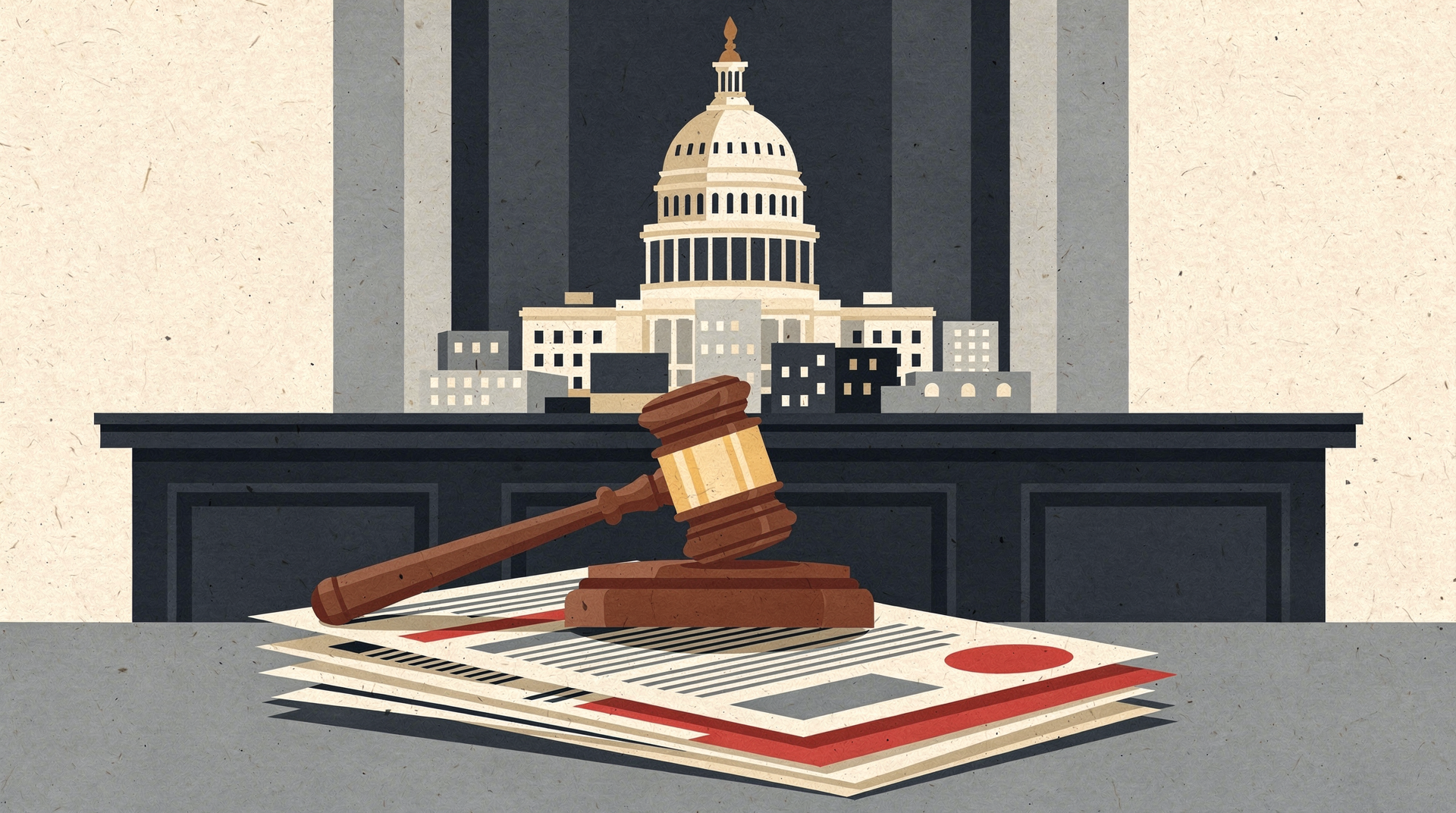
The U.S. House Committee on Oversight and Government Reform advanced legislation on July 22 that would require Congressional approval for any changes to the District of Columbia’s tax code, fees, permits, or licensing — a move the DC Fiscal Policy Institute called “another attempt to destabilize DC and set us on a path to a full takeover by Congress.”
H.R. 9720, the “D.C. Taxing Authority Review Act,” was approved on a party-line vote. Introduced by Rep. James Comer (R-KY), the bill would subject any change to Title 47 of the DC Code — which governs taxation, permitting, licensing, and property assessments — to a mandatory 60-day Congressional review period. No modification could take effect without explicit Congressional approval within that window.
The scope of the legislation extends well beyond income and sales taxes. Title 47 encompasses the full range of revenue instruments the District uses to fund government operations, including business licensing fees, building permit charges, and property assessment methodologies. Trade associations, tax practitioners, real estate developers, and government contractors operating in the District would face a new layer of federal uncertainty over routine regulatory changes.
DCFPI Executive Director Erica Williams warned that the bill represents a direct threat to the District’s ability to govern itself. “This is another attempt to destabilize DC and set us on a path to a full takeover by Congress,” Williams said in a statement.
The legislation marks the third Congressional challenge to DC budget autonomy in less than two years, establishing what home-rule advocates describe as an escalation pattern. Previous efforts targeted the District’s spending authority; H.R. 9720 goes further by attempting to place Congressional controls over the revenue side of the ledger as well.
For the bill to become law, it would need to pass the full House, clear the Senate, and receive presidential approval. But the committee vote signals a continued willingness among House Republicans to use Congress’s constitutional authority over the District as a lever for oversight and control.
DC Council leaders and home-rule advocacy organizations are expected to mount opposition as the bill moves toward a potential floor vote. The practical consequences of a 60-day Congressional review for every tax and fee adjustment could slow routine governance and introduce unpredictability into the District’s fiscal planning process — a concern shared across party lines by DC business groups and government officials.