The House Committee on Oversight and Government Reform advanced H.R. 9720, the D.C. Taxing Authority Review Act, on a party-line vote on Wednesday, setting up a potential floor fight over what critics call the most sweeping rollback of District self-governance in more than 50 years.
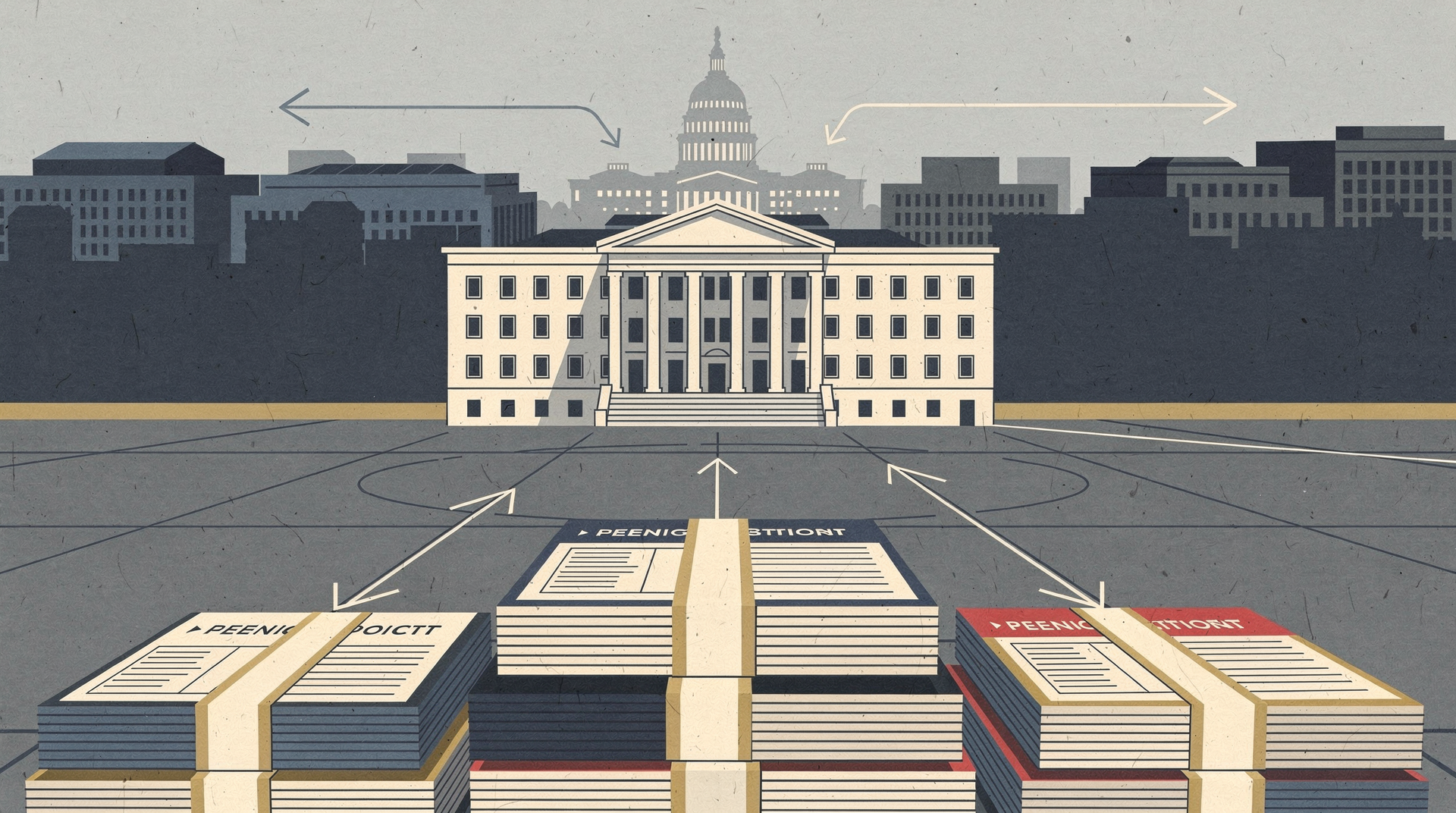
Introduced by Rep. James Comer (R-KY), the bill would require Congress to affirmatively approve all D.C. tax and fee changes — including adjustments to permitting, licensing, and property assessments — within a 60-day review period. The measure replaces the current passive process, under which District tax legislation takes effect automatically unless Congress passes a resolution of disapproval within 30 days.
The structural shift is significant. Under the current Home Rule framework established in 1973, Congress retains ultimate authority over District affairs but has generally allowed locally enacted tax measures to proceed without intervention. H.R. 9720 would invert that dynamic, requiring affirmative action from both chambers before any revenue change could take effect.
Mayor Muriel Bowser issued a statement opposing the bill on Wednesday, warning it would “render the District incapable of recovering from the debilitating impacts of COVID, federal remote work and DOGE.” Bowser argued the bill would freeze the District’s ability to respond to fiscal emergencies by tying routine revenue decisions to the congressional calendar.
Delegate Eleanor Holmes Norton, the District’s non-voting representative in Congress, called the legislation “the most consequential reduction in D.C.’s authority to govern itself since the D.C. Home Rule Act was passed in 1973.”
D.C. Council Chair Phil Mendelson wrote that the bill would “straitjacket District government,” noting that even minor fee adjustments — such as updates to business licensing schedules — would require a full congressional review cycle.
The bill’s sponsors have not announced a timeline for a full House floor vote. Its prospects in the Senate remain unclear, though the upper chamber has historically been less inclined to intervene in District governance matters. For Washington residents, the legislation raises immediate questions about the city’s capacity to adjust revenue during economic downturns or budget shortfalls without waiting for Congress to act.