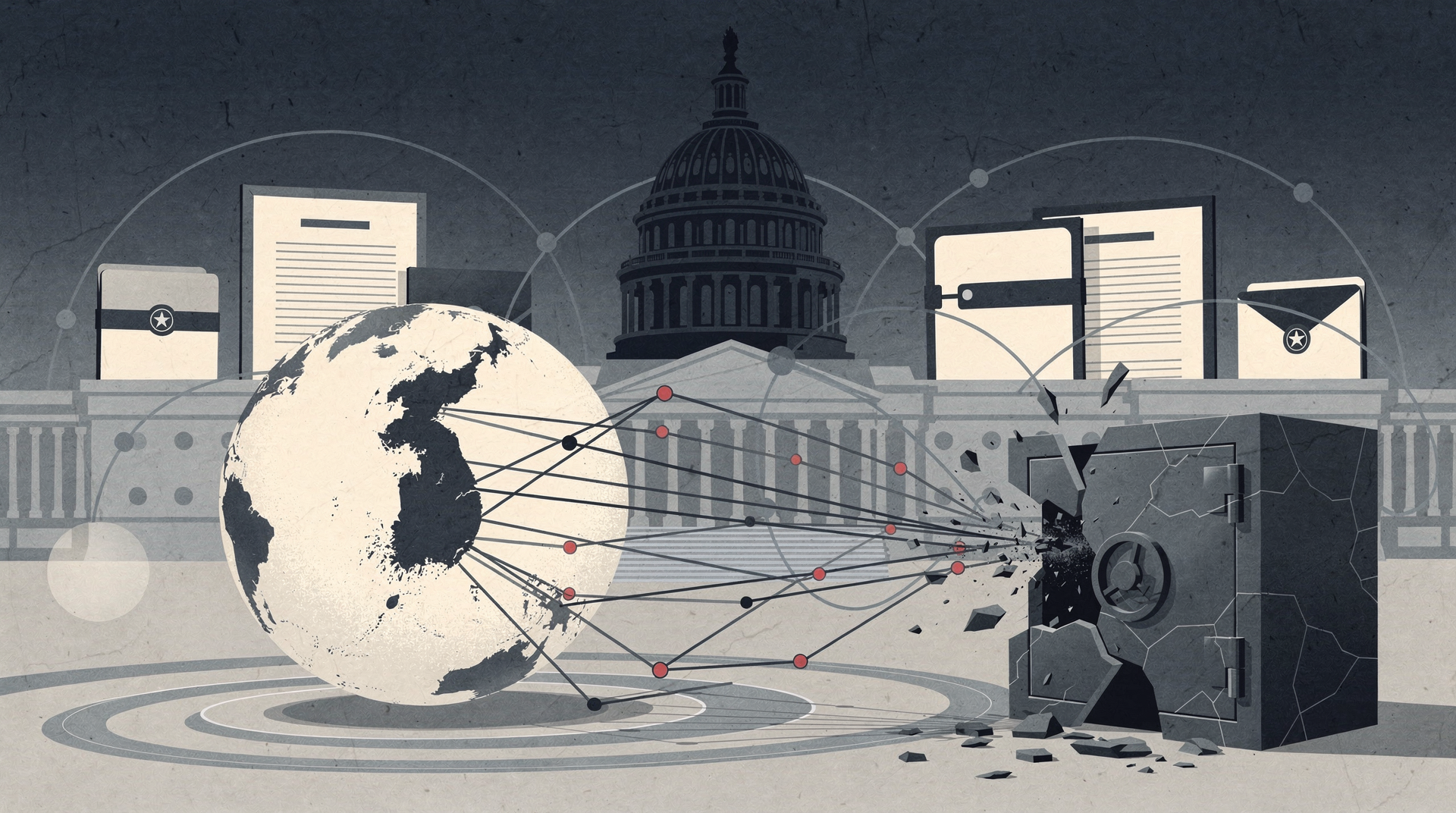
The chairman of the House Select Committee on the Chinese Communist Party sent a formal letter on Aug. 10 to the Bureau of Industry and Security demanding confirmation that a key rule governing artificial intelligence chip exports remains enforceable, according to correspondence released by the committee.
Rep. John Moolenaar (R-Mich.) wrote to Under Secretary of Commerce Eric Kessler at BIS pressing for clarity on the status of the Foundry Due Diligence Rule, which requires semiconductor fabrication facilities to verify that advanced AI chips are not being diverted to prohibited end users in China. The letter cited concerns that loopholes in the current enforcement framework could allow restricted technology to reach Chinese military and intelligence entities.
The inquiry represents a concrete congressional oversight action at the intersection of technology policy, trade regulation and national security. Export controls on advanced semiconductors have become a central pillar of the U.S. strategy to maintain its technological edge over China, but enforcement has proven challenging given the complexity of global chip supply chains.
BIS has implemented successive rounds of export restrictions on AI-capable chips since 2022, targeting both the processors themselves and the equipment used to manufacture them. However, lawmakers and industry analysts have raised persistent concerns that third-country intermediaries and shell companies continue to facilitate diversions.
The committee’s focus on the Foundry Due Diligence Rule is significant because it targets one of the most technically complex points in the enforcement chain — the fabrication stage where chip designs are physically manufactured. Ensuring compliance at foundries outside the United States requires cooperation from foreign governments and companies that may face competing commercial incentives.
For businesses engaged in semiconductor exports and the technology companies that rely on advanced chip supply chains, the outcome of the committee’s inquiry could signal whether Congress will push for tighter restrictions or additional enforcement resources at BIS.
The letter directly affects operations at the U.S. Mission China cluster — including posts in Beijing, Shanghai, Guangzhou, Wuhan and Shenyang — where commercial officers work with American companies navigating the export control regime. A response from BIS has not yet been made public.