The Center for Strategic and International Studies published a comprehensive analysis on Tuesday detailing how the ongoing U.S.-Iran conflict — now in its seventh month — is fundamentally reshaping global liquefied natural gas markets, with the Strait of Hormuz emerging as both the battlefield and the central strategic vulnerability for Gulf energy exporters.
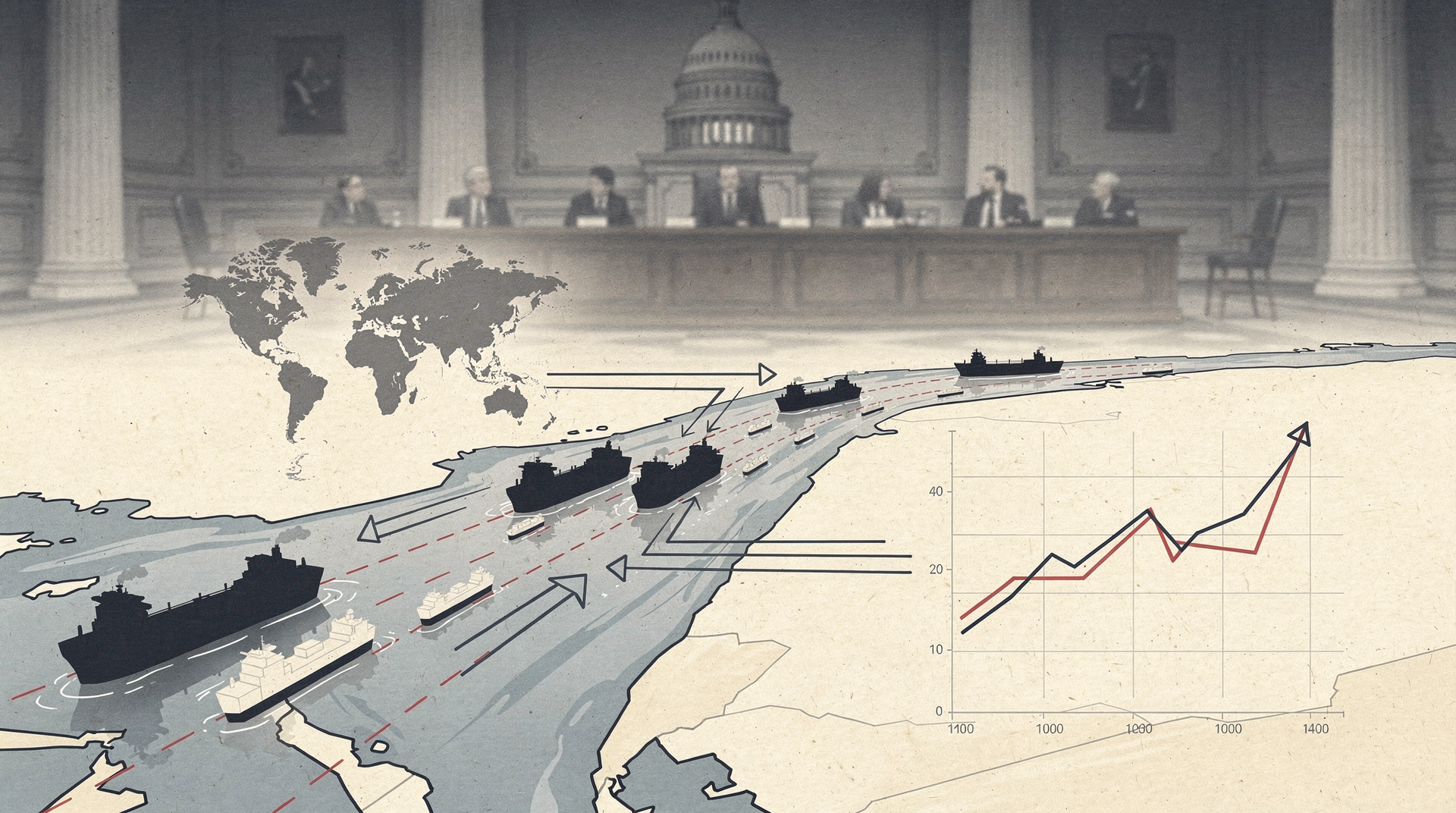
The report, authored by CSIS senior associate Leslie Palti-Guzman, lays out a blunt assessment: the June 2026 U.S.-Iran memorandum of understanding effectively collapsed in July when Iran targeted commercial shipping in the strait. The United States reimposed its blockade of Iranian ports and resumed Operation Project Freedom, designed to escort tankers along a protected southern corridor near the Omani coast. Strait of Hormuz crossings have since fallen 70 percent compared with the brief truce period of June 7 through July 7, according to data from analytics firm Kpler cited in the report.
Qatar, the world’s second-largest LNG exporter, sits at the center of the disruption. Unlike Saudi Arabia, which can bypass Hormuz via its East-West Pipeline, or the UAE, which has access to the Fujairah terminal, Qatar has no meaningful alternative export route. Two liquefaction trains at Qatar’s Ras Laffan complex were damaged in an Iranian attack in March, reducing the country’s export capacity by 17 percent. Repairs could take three to five years. More than 25 energy companies operating in the Gulf Cooperation Council states have declared force majeure since the conflict began.
The consumer impact is already measurable. The Center for American Progress separately documented that U.S. households have paid an additional $610 in gasoline and diesel costs since the conflict began, with total consumer fuel costs projected to reach $140 billion by year-end. CNBC reported in late July that the national average gasoline price had climbed to $4.06 per gallon, while diesel surged to $5.13 per gallon — the largest weekly jump since the war’s first week in March. Diesel prices carry outsized economic weight because they feed directly into trucking costs and fuel surcharges throughout the supply chain.
CSIS outlines three scenarios for the strait: a prolonged “no war, no peace” stalemate that the report calls potentially the worst outcome for Gulf economies because of persistent uncertainty; a return to full-scale war that could break the impasse but risk further infrastructure destruction; and a comprehensive peace agreement that remains the least likely near-term outcome. Russia and China are reportedly supporting Iran in different capacities, whether through intelligence sharing or the provision of military equipment and dual-use technologies.
The geopolitical consequences extend beyond energy prices. Iran’s strategy, according to the analysis, has been to drive a wedge among Gulf states by targeting them at different intensities and encouraging bilateral negotiations rather than a coordinated regional response. The Houthis announced a “naval blockade” against Saudi Arabia on July 20, adding another layer of pressure. CSIS notes that some Gulf states are reassessing the durability of American security guarantees and considering alternative security partners, though no credible replacement for U.S. military capabilities currently exists.
A Reuters analysis published via Shell’s annual LNG outlook found that the disruption could keep global LNG trade flat this year, with more than 300 Qatari cargoes failing to reach international markets between March and June. The crisis is accelerating a reordering of global LNG trade flows toward the Western Hemisphere, with U.S. LNG projects set to add more than 120 million metric tons of new capacity over the next five years.
The report’s central warning is direct: as long as the IRGC retains the capacity to disrupt maritime trade, the reliability of Gulf energy exports — and the stability of global gas prices — will remain structurally uncertain.
Source Notes
- Primary source: Center for Strategic and International Studies
- Secondary source: CNBC
- Secondary source: Reuters via gCaptain