

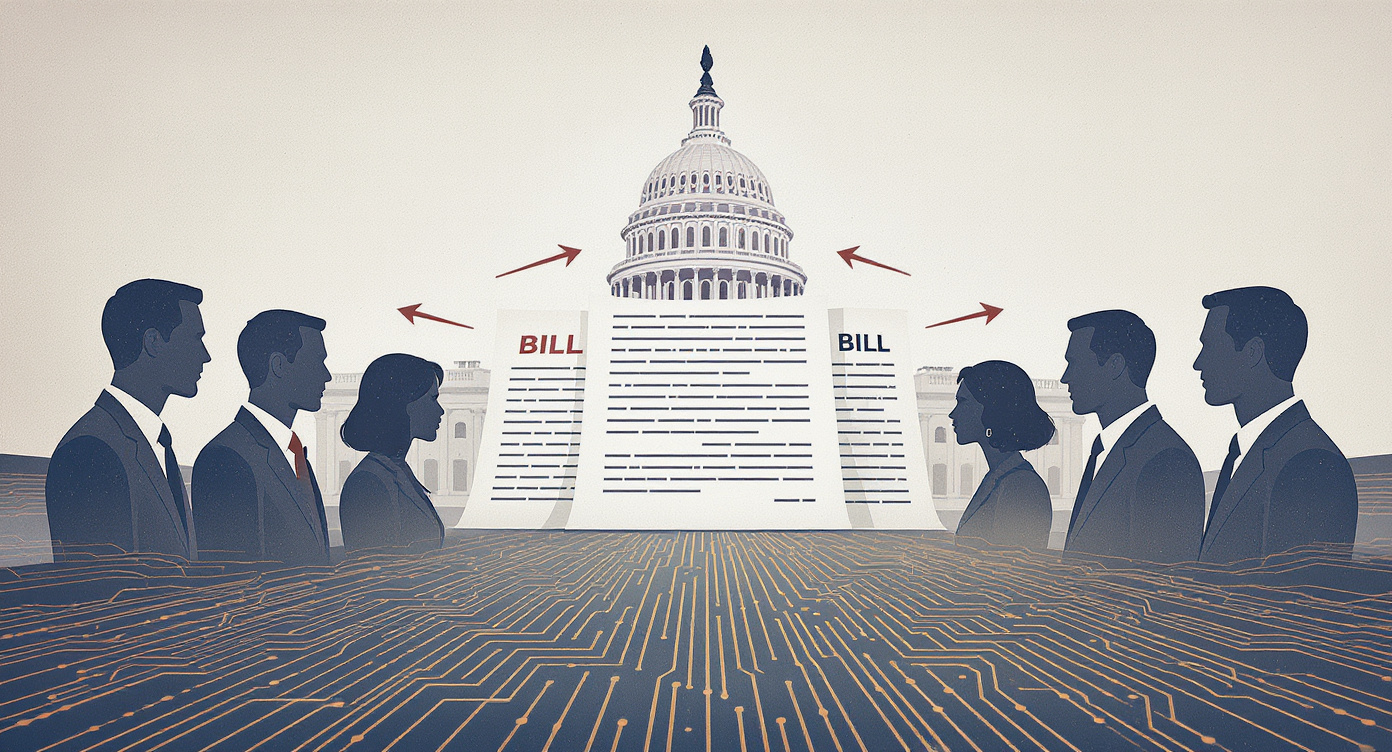
A bipartisan discussion draft of the Great American AI Act prompted responses from technology industry groups and organized labor following its release Wednesday by Reps. Lori Trahan (D-Mass.) and Jay Obernolte (R-Calif.). Six stakeholder organizations issued public statements within 24 hours of the bill’s release.
The nearly 300-page proposal includes provisions addressing federal and state regulation of artificial intelligence, research funding, cybersecurity and data-center efficiency.
Technology industry groups expressed support for the bill. ITI President and CEO Jason Oxman said Congress should establish “a national standard” for AI development. The Consumer Technology Association said it supports a national framework for AI regulation. NetChoice said it supports the bill’s federal governance structure but raised concerns about auditing requirements and data-sharing provisions that it said could affect trade secrets. The Chamber of Progress praised the bipartisan effort and Rep. Trahan’s involvement in developing the proposal.
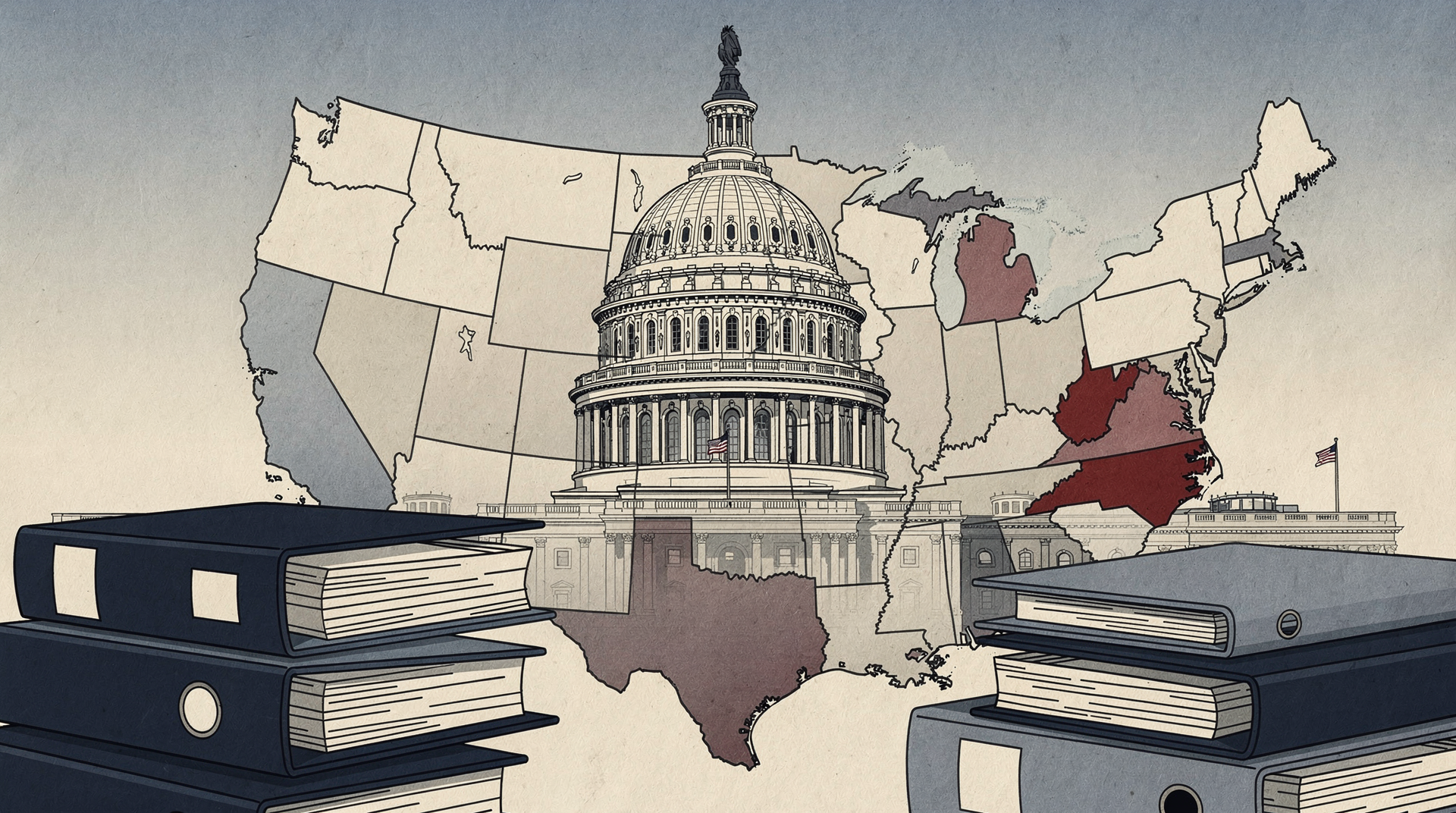
Organized labor groups criticized provisions that would preempt certain state AI regulations. “Any attempt to tie the hands of states in their efforts to keep working people safe is not acceptable,” AFL-CIO President Liz Shuler said in a statement. “We oppose preemption of state authority to regulate the development and implementation of AI.” Shuler said the AFL-CIO is willing to engage with the bill’s sponsors but would support legislation that protects workers while preserving states’ authority to regulate AI.
The proposal has drawn differing responses from groups that often align with Democrats. Rep. Trahan is a co-sponsor of the bill, while the AFL-CIO has opposed its preemption provisions. Reporting on pre-release negotiations indicated that some Democratic leaders in the Massachusetts Legislature had expressed concerns about federal preemption of state AI laws.
The Competitive Enterprise Institute criticized the broader framework. A report released by the organization argued against government-led AI industrial policy. Author Wayne Crews wrote that government involvement as a “partner, funder, regulator, and customer” could influence AI development priorities.
The discussion draft also would codify the National AI Research Resource, extend the Cybersecurity Information Sharing Act of 2015 and fund research into data-center efficiency.
Punchbowl News reported Thursday that the proposal would require companies to provide the government with information about risks associated with advanced AI models. Sources familiar with negotiations told Vocal Media that the bill’s preemption language is intended to apply to state laws regulating frontier AI developers and includes a two-year sunset provision. Some AI safety advocates have expressed concerns about how the preemption language could be interpreted in future legal disputes.
The proposal is currently in discussion-draft form as stakeholders continue to review its provisions and provide feedback.