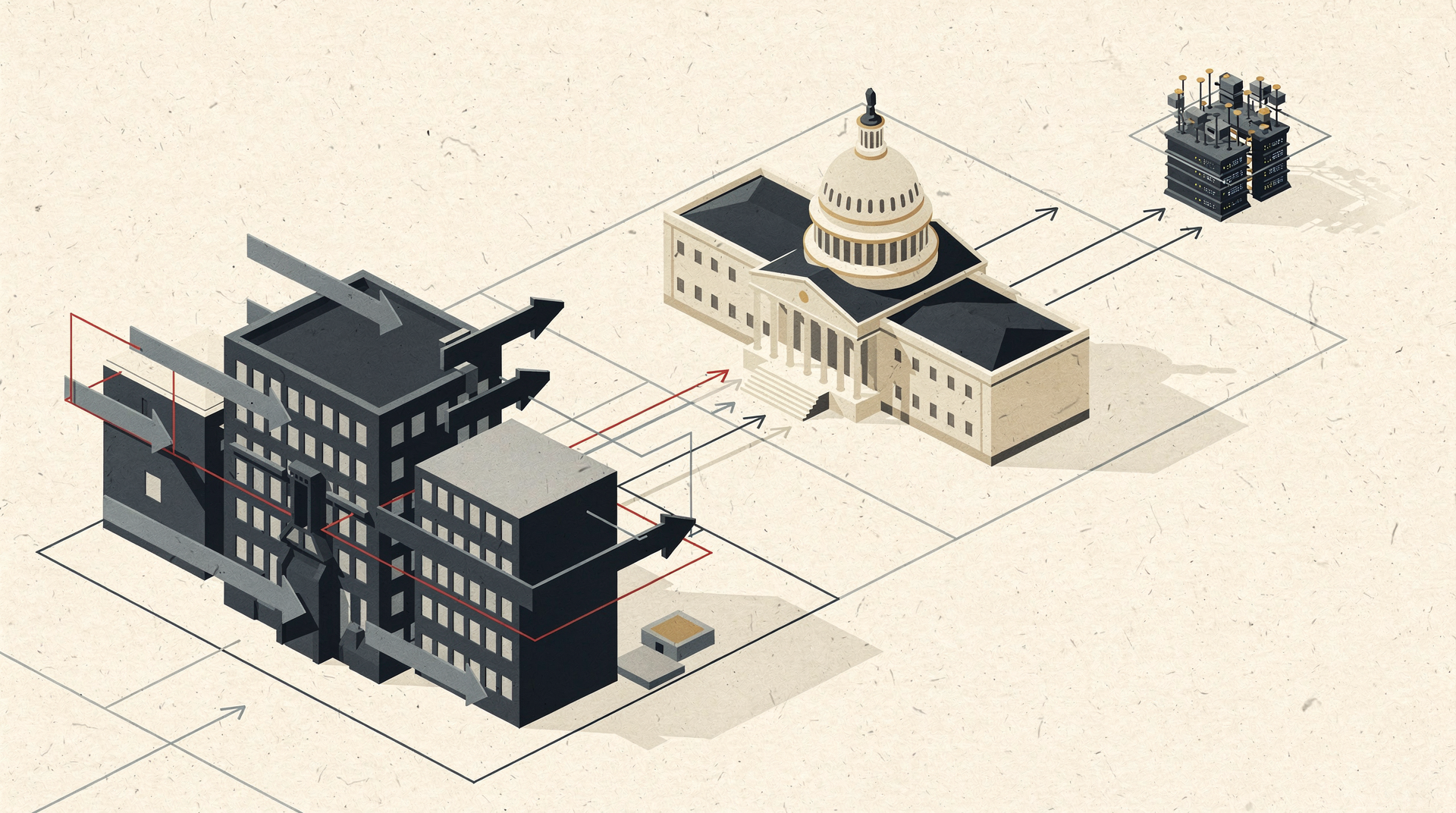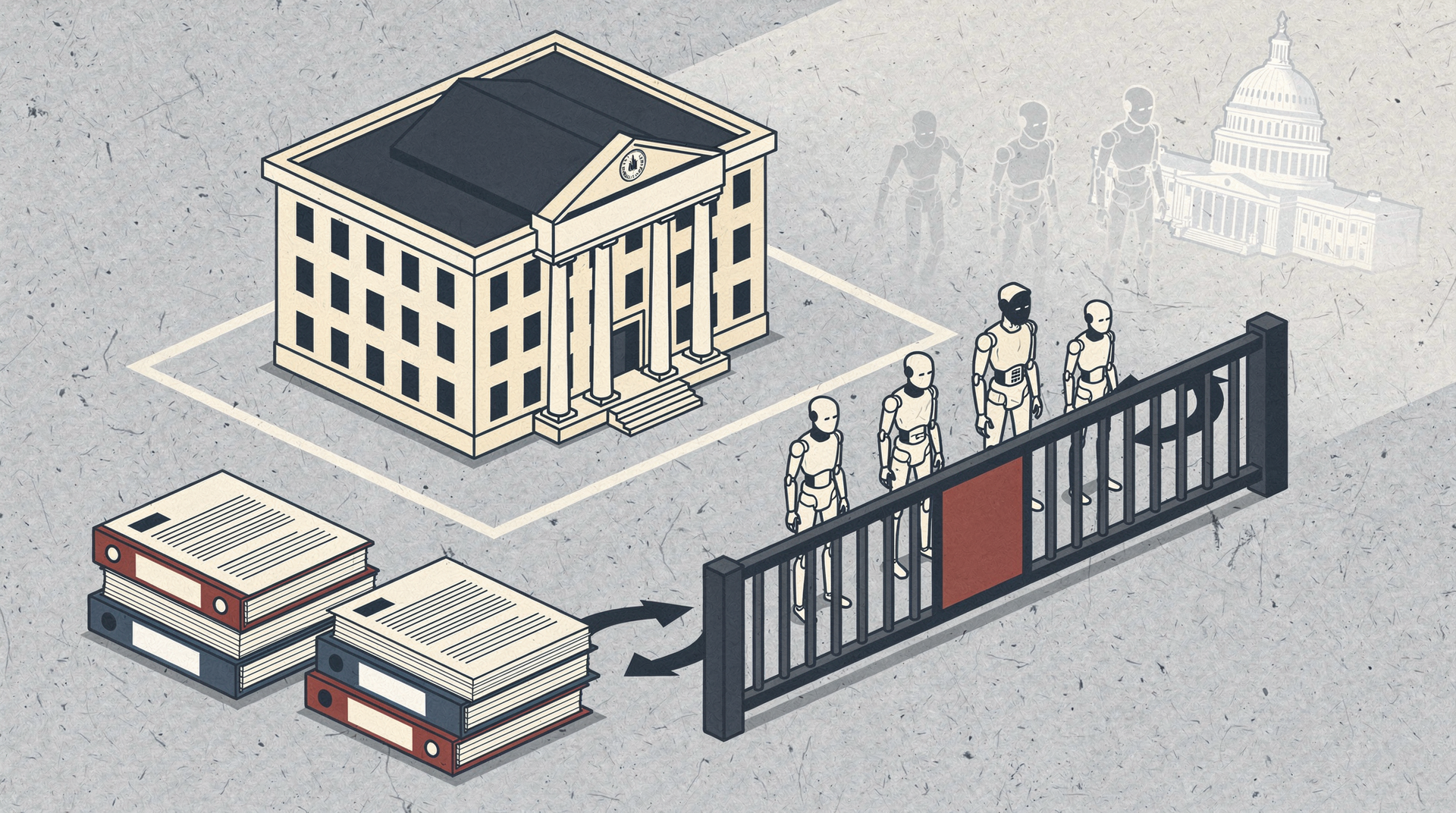
The Federal Communications Commission on Tuesday banned imports of new foreign-made humanoid robots, quadruped robots, and power inverters, citing national security risks in a move that directly targets China, which dominates roughly 85% of the global humanoid robot market.
The action is the most disruptive U.S. technology decoupling measure this year and carries immediate consequences for companies in the robotics, AI, and renewable energy supply-chain sectors. It also arrives weeks before Chinese leader Xi Jinping’s planned September visit to Washington, adding a new flashpoint to an already fraught diplomatic agenda.
FCC Chair Brendan Carr said the bans were taken to “secure America’s critical supply chains,” adding that the restrictions apply to “new versions” of such imports. The agency’s decision was based on findings from a White House task force that concluded foreign-built robots could create cybersecurity risks threatening critical infrastructure, according to a report by TechCrunch. Exceptions may be granted for devices the government determines pose no security threat.
The numbers underscore how steep the challenge is for domestic industry. Of the approximately 15,000 humanoid robots shipped globally in 2025, China’s Unitree and AGIBOT each shipped more than 5,000 units. U.S. counterparts like Tesla and Figure AI each shipped a few hundred or less, according to the technology research firm Omdia. Morgan Stanley analysts forecast China’s humanoid robot market alone could reach $15 billion by 2030.
“Chinese manufacturers have been scaling production and reducing costs faster than most overseas competitors,” Morningstar analyst Kangyuxiao Li told the Associated Press. “Restricting their access to the U.S. removes an important future market and protects U.S. developers from potential price competition,” though he added the ban “will not materially slow China’s overall humanoid development.”
House Select Committee on China Chairman John Moolenaar (R-MI) endorsed the ban and announced the bipartisan Guarding the U.S. Against Adversarial Robotics Dominance (GUARD) Act, co-introduced with Reps. Jay Obernolte (R-CA) and Jennifer McClellan (D-VA), to codify the prohibition into law. “Robots made by China are a threat to national security, critical infrastructure, and American workers,” Moolenaar said. “They contain backdoors that can be hijacked for espionage.” The GUARD Act would require ongoing scrutiny of robots manufactured by China and other foreign adversaries and prohibit imports determined to pose a national security threat.
Beijing fired back swiftly. China’s Foreign Ministry spokesperson Mao Ning told reporters Wednesday that “protectionism does not make the U.S. more competitive, and it will only hurt the interests of U.S. companies and consumers.” The ministry warned China would take “all measures necessary” to defend its businesses.
The ban on power inverters — used to connect solar panels and batteries to the grid — could have particularly broad ramifications. China’s Huawei and Sungrow are among the leading global suppliers. Morningstar analyst Cheng Wang said the near-term pressure on U.S. markets should be limited, since the ban does not affect devices already approved for sale.
“It’s a steady drumbeat of potential flashpoints heading into the Trump-Xi summit planned for September,” said Samm Sacks, a senior fellow at the New America think tank. The ban could also disrupt existing collaborations — Nvidia in June revealed a humanoid robot design using the chassis of China’s Unitree, a company the Pentagon recently added to its list of firms with alleged Chinese military ties.
For Washington’s industry and policy audience, the immediate question is whether the GUARD Act gains legislative traction before the September summit — and whether the FCC ban triggers retaliatory action from Beijing that widens the trade confrontation beyond robotics.