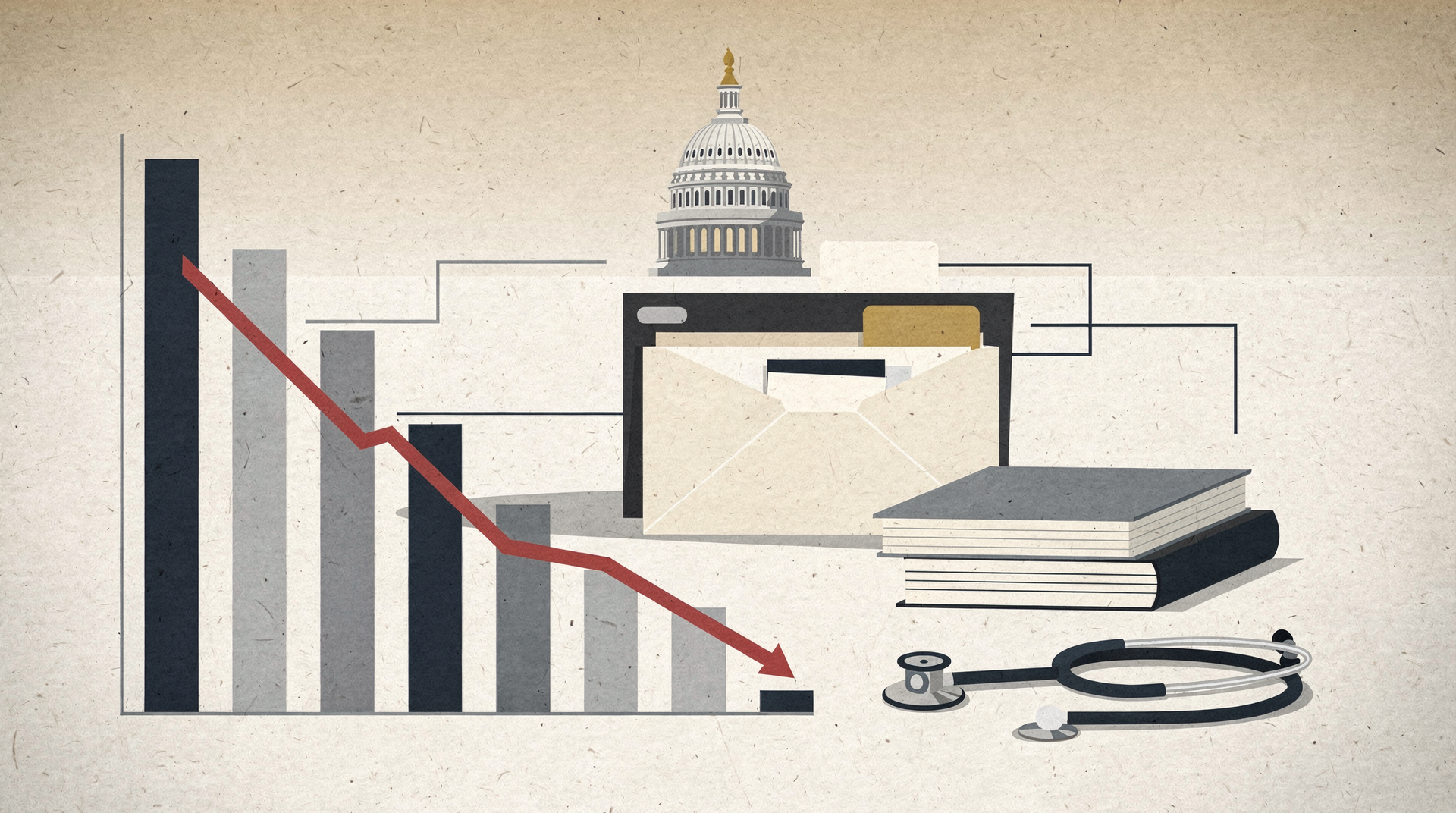



The F-35’s mission capable rate dropped from 67 percent to 44 percent between fiscal years 2021 and 2025, even as the Pentagon paid its prime contractor hundreds of millions of dollars in performance incentives that failed to produce results, the Government Accountability Office reported on Wednesday.
The findings, published in GAO’s annual F-35 sustainment review, carry heightened urgency as the United States remains engaged in active hostilities with Iran — a conflict in which the F-35 has been deployed across Marine Corps, Navy, and Air Force missions. The full mission capable rate — measuring the percentage of time the aircraft can perform all of its assigned missions — fell from 38 percent to 25 percent over the same period.
The F-35 is the Defense Department’s most expensive weapons system, with lifetime sustainment costs for the United States alone estimated at $1.6 trillion as of 2024. DOD currently operates more than 800 F-35s and plans to purchase approximately 1,700 more by the mid-2040s.
In response to the readiness decline, DOD launched the “Global Support Solution Reset” in 2025, a $13.7 billion remediation strategy aimed at improving readiness by 2030. The plan includes roughly $8 billion for the Air Force, $3.2 billion for the Navy, and $2.6 billion for the Marine Corps, and relies on the private sector to deliver more than $7 billion in additional spare parts and materials.
But GAO identified multiple risks threatening the strategy’s success, including constrained industry capacity for key parts and a projected annual gap of more than $1 billion between sustainment costs and the services’ affordability goals by the mid-2030s.
The accountability dimension is equally stark. GAO found that the F-35 Joint Program Office set contractor incentive thresholds below the military services’ own readiness requirements — effectively paying bonuses for performance that did not meet operational needs.
“We found that JPO’s use of contract incentives failed to incentivize contractors to achieve air vehicle readiness requirements,” the report states.
Stars and Stripes reported that the Defense Department concurred with all three of GAO’s recommendations, which include developing risk mitigation plans for the GSS Reset and restructuring future incentive approaches to better align with service requirements.
A January analysis by the Quincy Institute’s Responsible Statecraft found that the military services have been flying F-35s fewer hours than originally planned — an average of 195 hours per year compared with targets of 250 to 316 — a pattern that critics argue masks the aircraft’s true maintenance costs by deferring wear.
The cost trajectory adds further pressure. Estimated sustainment costs for the F-35 continue to increase, and GAO found that the military services will annually face a gap of more than $1 billion between what it costs to sustain their F-35 fleets and their affordability targets by the mid-2030s. The program’s lifetime sustainment bill — already at $1.6 trillion — is expected to grow as DOD takes delivery of additional aircraft while the existing fleet ages.
GAO made three formal recommendations. DOD did not provide formal comments but noted in draft responses that it concurred with all three. Whether the $13.7 billion reset can reverse four years of declining readiness — while industry capacity constraints persist and the aircraft is actively deployed in combat — remains an open question for congressional appropriators and defense oversight committees.