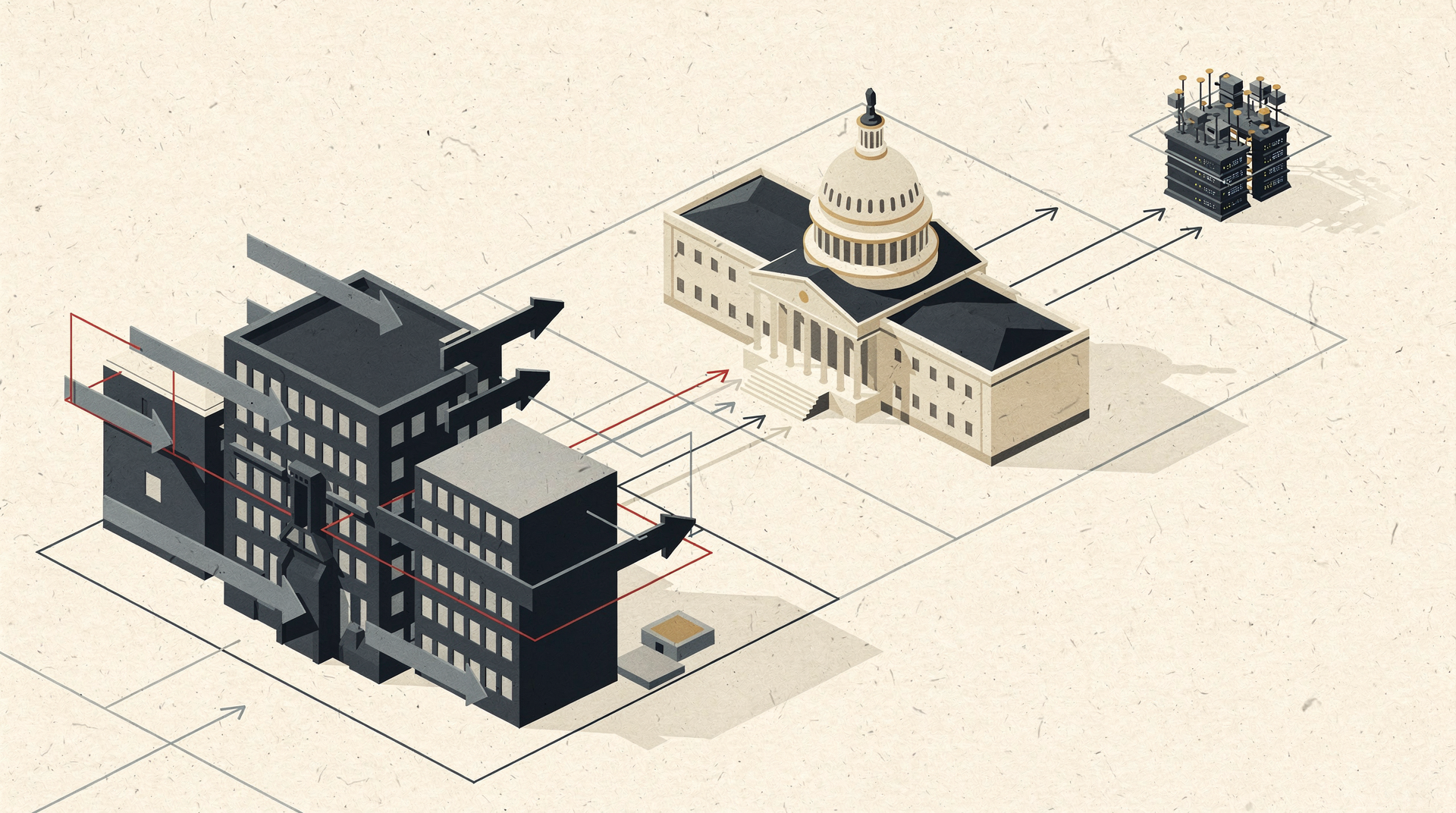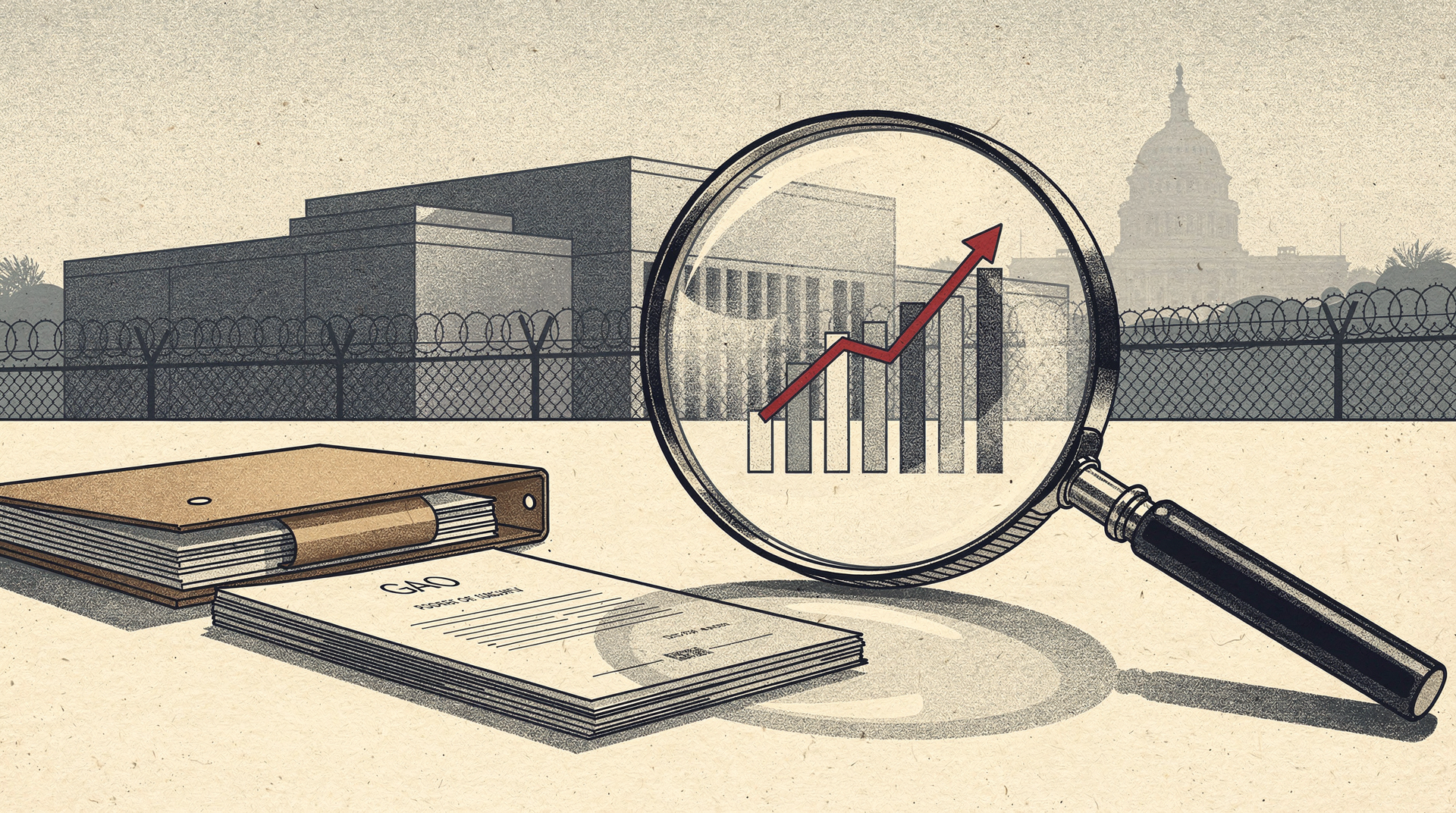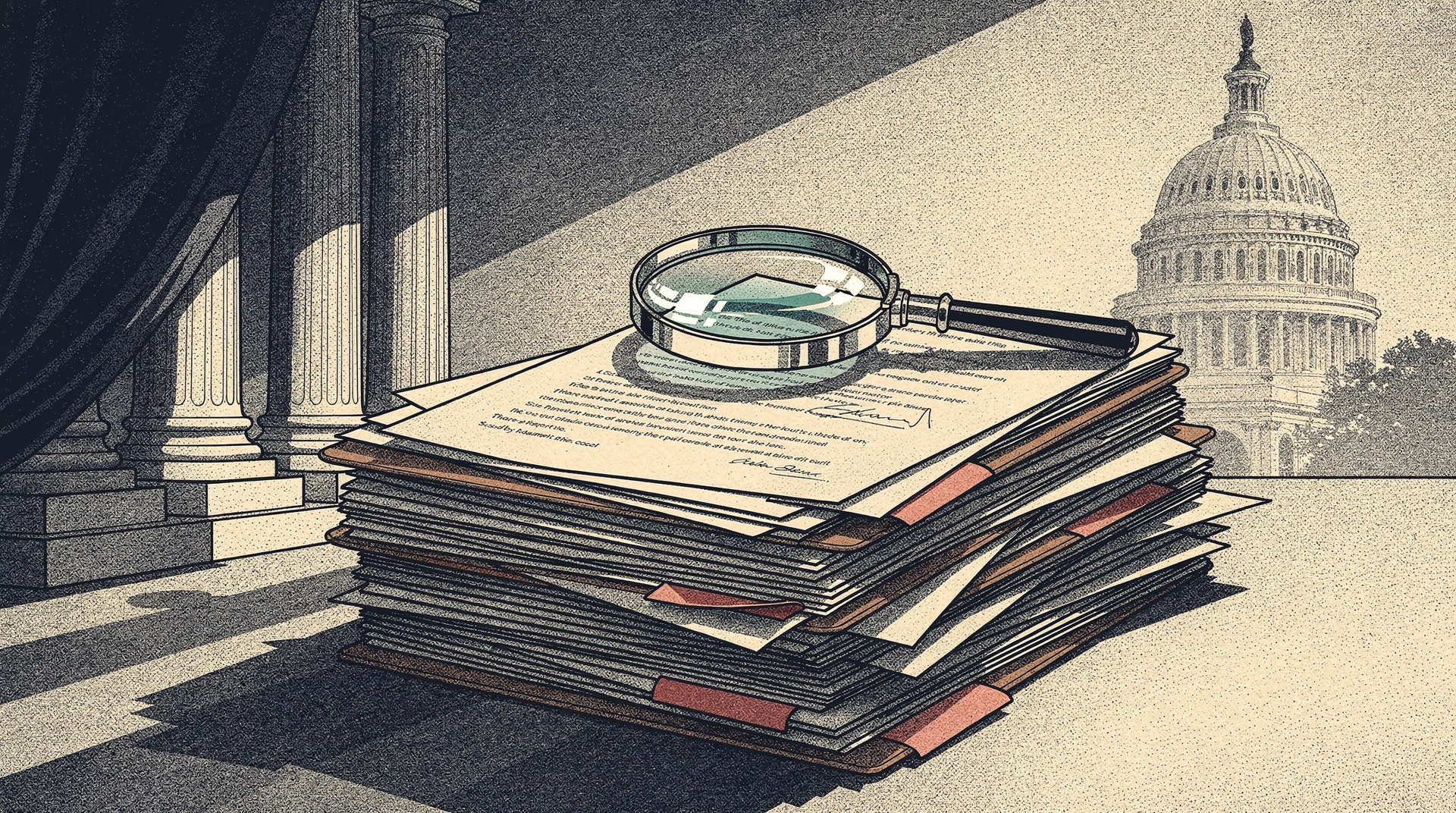
The Justice Department’s Office of Legal Counsel published a 21-page memo on Monday declaring that President Trump may claim executive privilege over communications with “private advisers” who do not work for the federal government — a sweeping expansion of a doctrine historically limited to official government communications, according to a statement released Tuesday by House Oversight Ranking Member Robert Garcia (D-CA).
The opinion has immediate implications for any congressional or criminal inquiry touching the president’s outside relationships, business dealings, or informal advisory network — and arrives months before a midterm election that could hand investigative subpoena power to Democrats.
Garcia called the memo “a clear attack on Congress’s oversight powers” that creates “an environment ripe for corruption,” specifically citing its potential to obstruct the committee’s ongoing investigation into the Jeffrey Epstein files. He attributed the move to Attorney General Todd Blanche, saying Blanche “launched a plan to hide Donald Trump’s crimes and corruption from the American people.” Garcia and Senate Judiciary Ranking Member Dick Durbin had urged the Senate to reject Blanche’s nomination in July, citing his handling of the Epstein files and his involvement in transferring Ghislaine Maxwell to a minimum-security prison.
The OLC opinion, signed by Assistant Attorney General T. Elliot Gaiser, sets out a three-part test: executive privilege can apply to communications with private advisers so long as the communications relate to official presidential decisionmaking, involve or reflect direct exchanges with the president or his advisers, and remain confidential. The memo invokes historical precedents including President Andrew Jackson’s “Kitchen Cabinet” and President Franklin Roosevelt’s “Brain Trust” to argue that presidents have long relied on outside counsel to carry out their constitutional duties.
CBS News reported that the opinion is not legally binding but could immediately shield individuals such as Boris Epshteyn, Trump’s senior personal counsel, who faces a subpoena from the American Bar Association over deals the administration struck with law firms. The DOJ has already moved to quash that subpoena, arguing Epshteyn “provided the President with privileged and confidential advice.” CBS noted that this is not the first OLC opinion from the Trump Justice Department to break with historical precedent — in April, Gaiser authored an opinion declaring the Presidential Records Act unconstitutional, a position later rejected by a federal judge in Washington.
Former OLC attorney Jonathan Shaub, now a University of Kentucky law professor, told Axios that while the OLC has long held broad views of executive privilege, the new memo “goes beyond anything it’s formally ruled in the past.” Shaub called it “a pretty significant weapon” for the administration to deflect congressional investigations of private parties, but expressed doubt that courts would accept the theory. He noted that probes into matters such as Trump’s cryptocurrency empire may be particularly difficult to defend as privileged.
A DOJ official told Axios that the opinion “reaffirms the longstanding position of the office going back at least as far as Paul Clement in 2007 and arguably as far back as 1972.” Regardless of its long-term legal viability, the memo provides the administration a powerful new basis to resist oversight demands in the near term — and could complicate any Democratic investigative agenda following November’s elections.