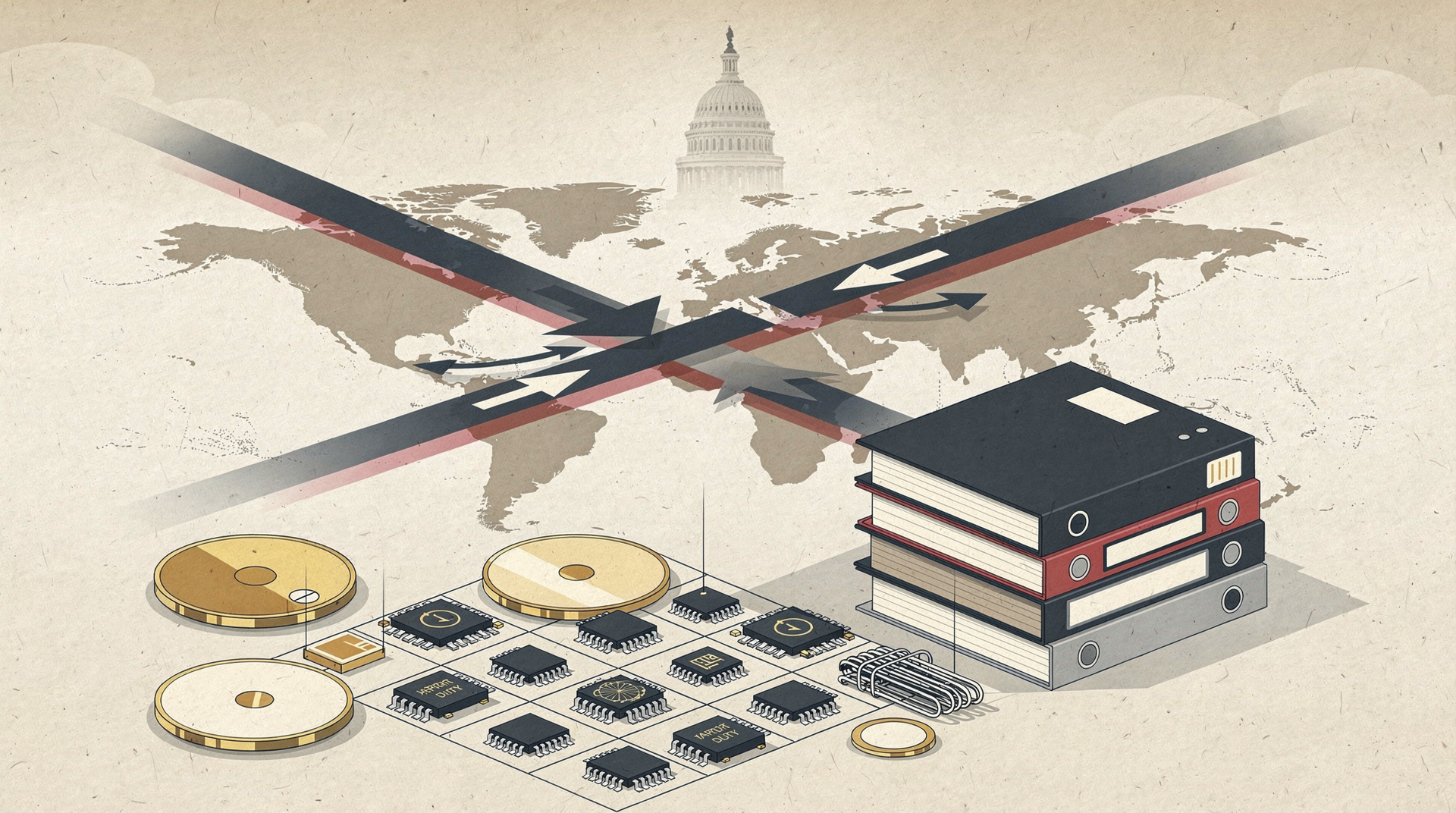
The Department of Homeland Security on Thursday expanded the Uyghur Forced Labor Prevention Act Entity List, adding Chinese companies whose supply chains are linked to forced labor in the Xinjiang region and barring their goods from entering the United States.
China Select Committee Chairman John Moolenaar, a Michigan Republican, praised the update in a statement posted to the committee’s media page, calling it a strengthening of the primary U.S. enforcement tool against imports tainted by CCP-linked forced labor.
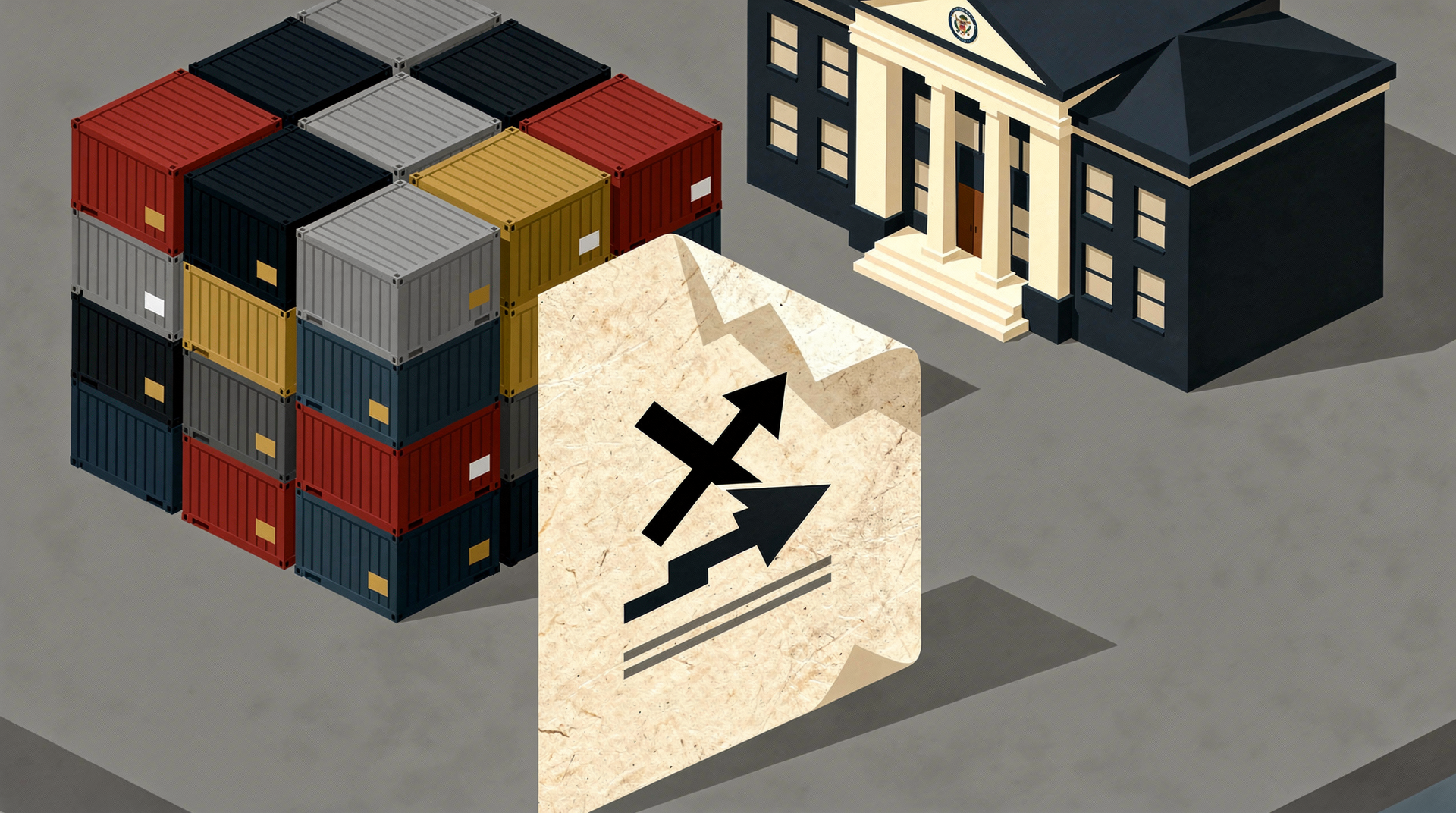
The UFLPA, signed into law in 2021, creates a rebuttable presumption that goods produced in whole or in part in the Xinjiang Uyghur Autonomous Region are made with forced labor and are therefore prohibited from import under U.S. trade law. Companies placed on the Entity List face an effective import ban unless they can demonstrate through clear and convincing evidence that their supply chains are free of forced labor.
The expansion adds to a growing list of Chinese firms subject to UFLPA restrictions. U.S. Customs and Border Protection, which enforces the act at ports of entry, has detained or denied entry to billions of dollars in goods since the law took effect — affecting industries from apparel and agriculture to electronics and solar energy components.
Thursday’s announcement coincided with two other significant developments in U.S. policy toward Chinese supply chains. Seven bipartisan senators sent a letter to Apple demanding it reject memory chips from Chinese military-designated firms, and CSIS published analysis documenting an emerging global forced labor import regime spanning 60 economies that are adopting UFLPA-style enforcement frameworks.
The convergence of actions on a single day underscores the accelerating pace of U.S. enforcement against Chinese companies flagged for national security or human rights concerns. For importers, retailers, and manufacturers sourcing from China, the UFLPA Entity List expansion requires immediate supply chain review to ensure compliance.
Companies with exposure to Xinjiang-linked supply chains face not only import bans but reputational risk and potential secondary consequences as allied governments adopt parallel enforcement measures. The European Union, United Kingdom, Canada, and Australia have all advanced or implemented forced labor import restrictions modeled in part on the UFLPA framework.
Businesses affected by the updated Entity List can consult the DHS Forced Labor Enforcement Task Force for compliance guidance and the full list of designated entities.