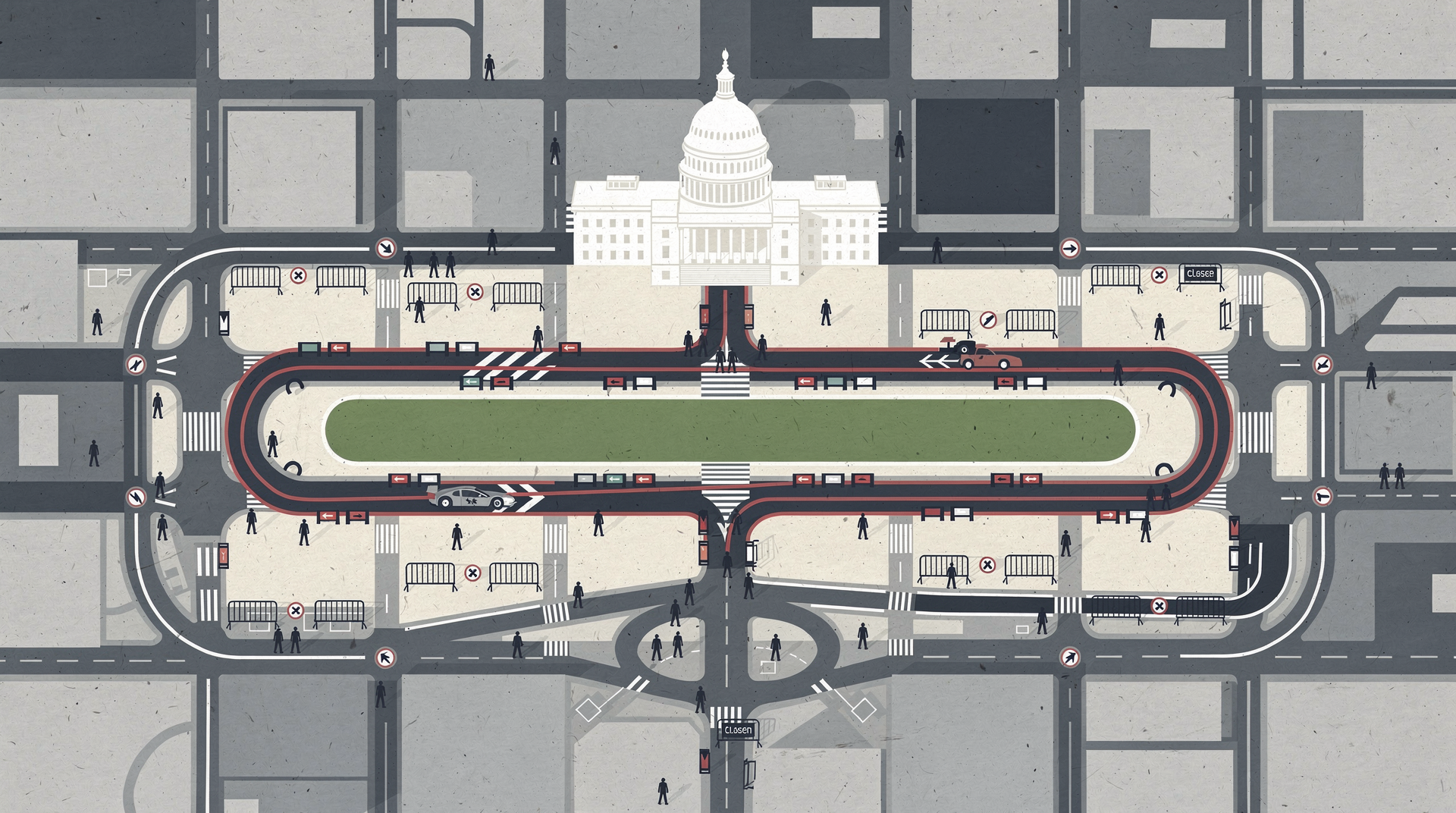
Mayor Muriel Bowser on Wednesday convened a press briefing at the DC Emergency Operations Center to prepare residents and businesses for the Freedom 250 Grand Prix — the first-ever NTT INDYCAR SERIES race in Washington, DC, scheduled for August 22–23 on a 1.7-mile course near the National Mall and U.S. Capitol.
The event is expected to draw approximately 140,000 spectators per day, according to published estimates — a crowd that would rival the largest single-day gatherings in the city outside of inaugurations and major national demonstrations. Road closures and parking restrictions have already begun in parts of the course area and will extend through September 3, creating weeks of significant traffic disruption for downtown commuters, residents, and businesses.
The race is tied to the nation’s semiquincentennial — the 250th anniversary of the Declaration of Independence — and is being promoted as a signature event in the national celebration. “We want this to be a great weekend for everyone — our residents and businesses, our visitors, and of course, everyone who is in DC to participate in and support the event,” Bowser said.
The logistical operation is unusually complex, even by Washington standards. The course’s proximity to the Capitol, the National Mall, and federal buildings requires coordination among DC’s Metropolitan Police Department, the U.S. Capitol Police, the Secret Service, the National Park Service, and multiple federal security agencies. Staging a high-speed auto race within blocks of the seat of government presents security and public safety challenges that no previous IndyCar venue has faced.
For downtown workers and residents, the practical impact is immediate: multi-week street closures disrupt bus routes, eliminate parking, and alter pedestrian access to large sections of the monumental core. WMATA has developed a separate service plan to accommodate the expected crowds, but Metro’s capacity on summer weekends is significantly lower than weekday peak service.
The economic calculus behind the event — what the District is spending on security, road preparation, and city services versus the projected tourism and tax revenue — has not been publicly detailed. City officials have framed the race as a high-profile showcase, but the cost-benefit analysis will ultimately be measured against weeks of disruption to the daily routines of the residents and businesses the mayor says she wants to protect.