Analysis finds Moscow’s institutional rigidity limits the battlefield value of support from China, Iran, and North Korea
Russia has suffered an estimated 1.4 million battlefield casualties — including up to 450,000 deaths — since its full-scale invasion of Ukraine, and its ability to benefit from partner nations’ support is constrained by deep institutional rigidity, according to an analysis published by the Center for Strategic and International Studies on Thursday.
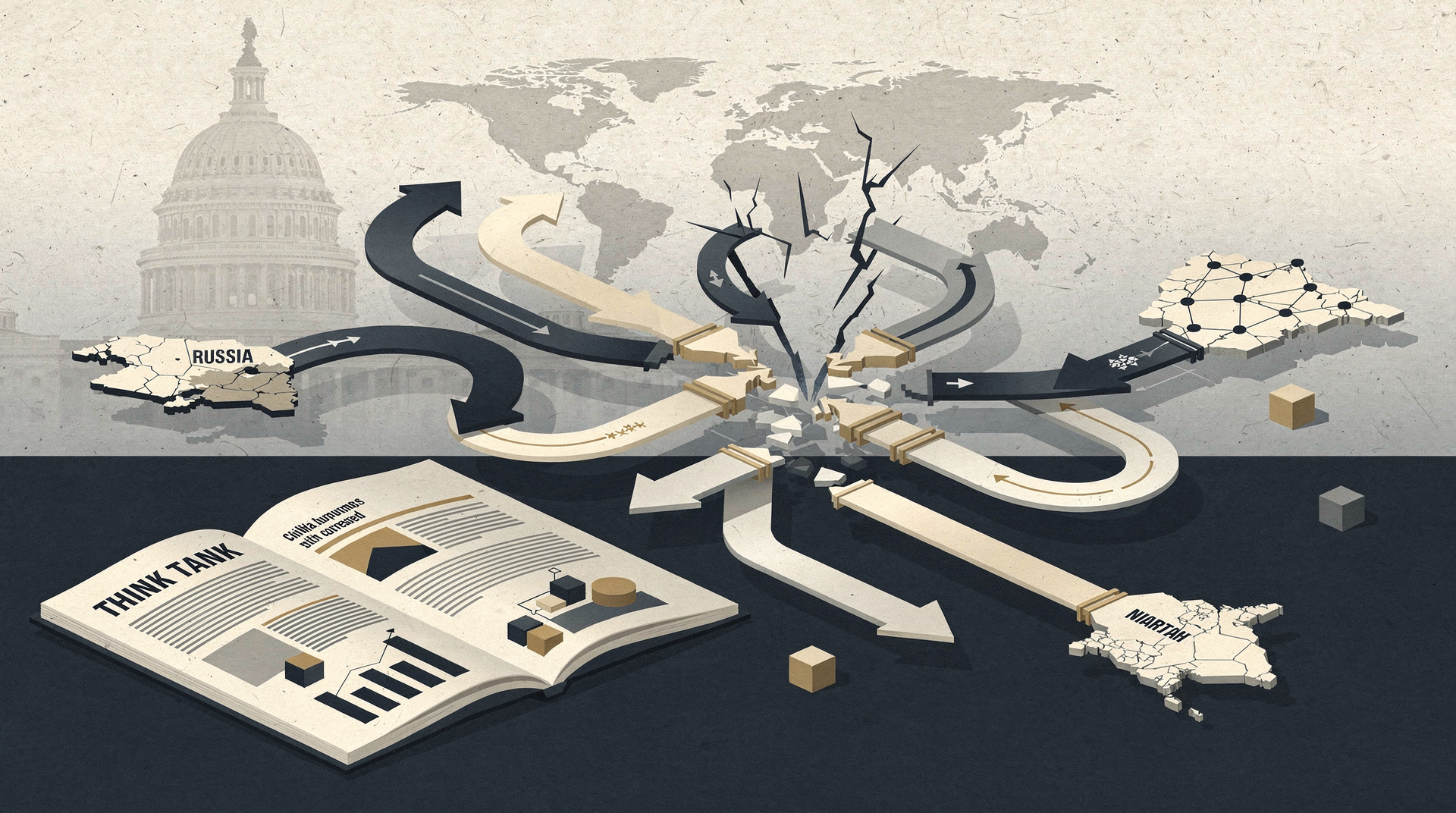
The report, authored by CSIS analysts Wesley Bailey and Daniel Byman, draws a critical distinction between types of external support flowing to Moscow. Russia can readily absorb material aid — ammunition, drones, and components from China, Iran, and North Korea — but struggles to operationalize assistance that requires institutional adaptation, such as integrating intelligence, surveillance, and reconnaissance data from partners or achieving effective interoperability with North Korean troops deployed to the front.
The analysis documents more than 400 Ukrainian strikes conducted at distances exceeding 100 kilometers into Russian territory since January 2026, a tempo that underscores Kyiv’s expanding deep-strike capabilities even as the ground war grinds on. Putin himself has conceded that Russian advances have been slower than desired, the report notes.
The findings carry direct implications for Western policymakers weighing how to calibrate sanctions and military assistance. If Russia’s coalition partners cannot easily provide the forms of support that would most change battlefield dynamics — sophisticated ISR integration, joint operational planning, and trained personnel — then the ceiling on external aid’s strategic impact may be lower than some analysts have feared.
For defense planners and diplomats, the CSIS assessment suggests that Russia’s partnerships with Beijing, Tehran, and Pyongyang, while materially significant, remain transactional rather than deeply integrated — a structural weakness that sustained Western pressure could exploit.
The report’s publication coincides with renewed congressional momentum behind legislation targeting Russia’s energy revenues, adding an analytical layer to the ongoing policy debate over how best to constrain Moscow’s war-fighting capacity.