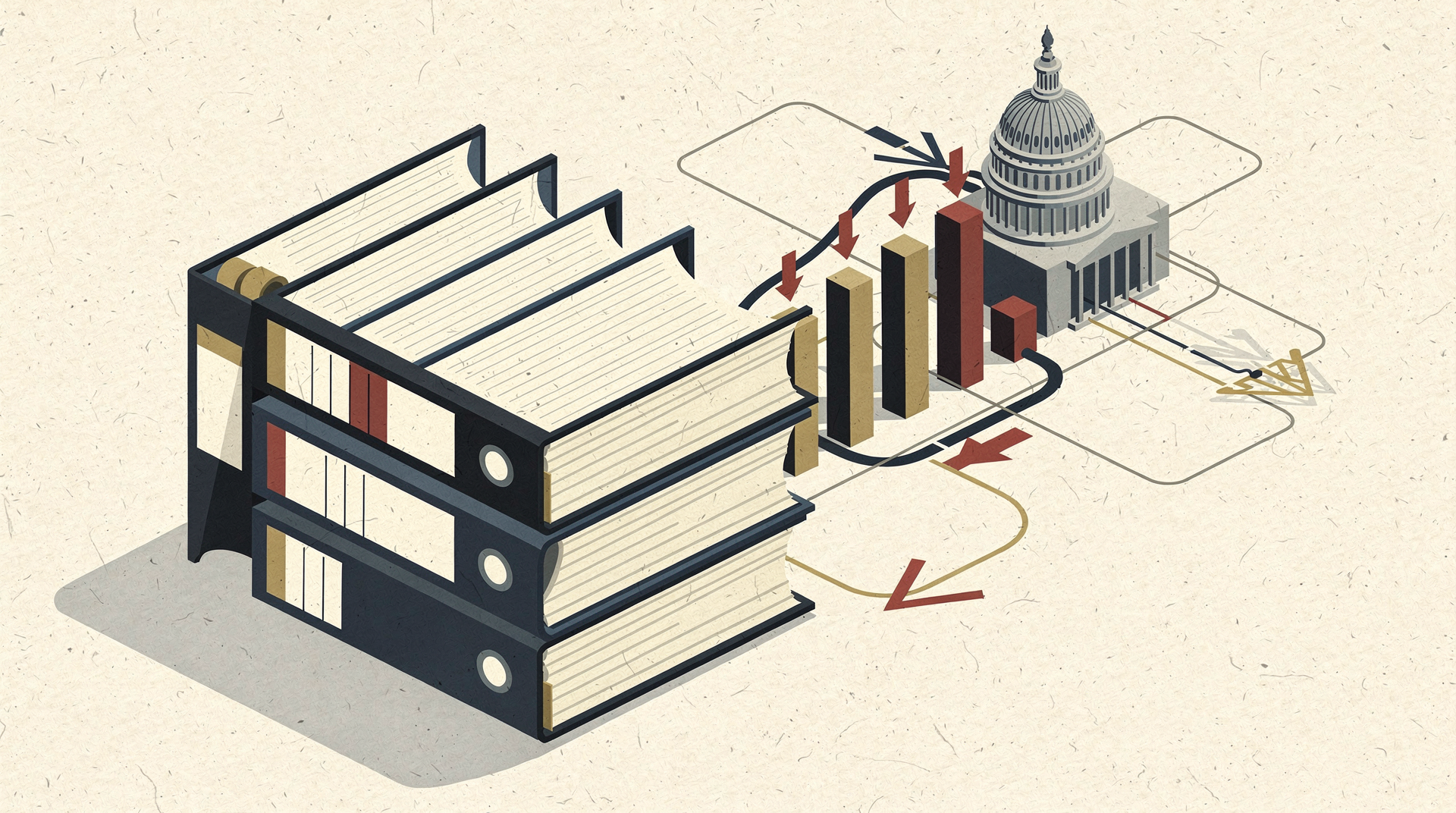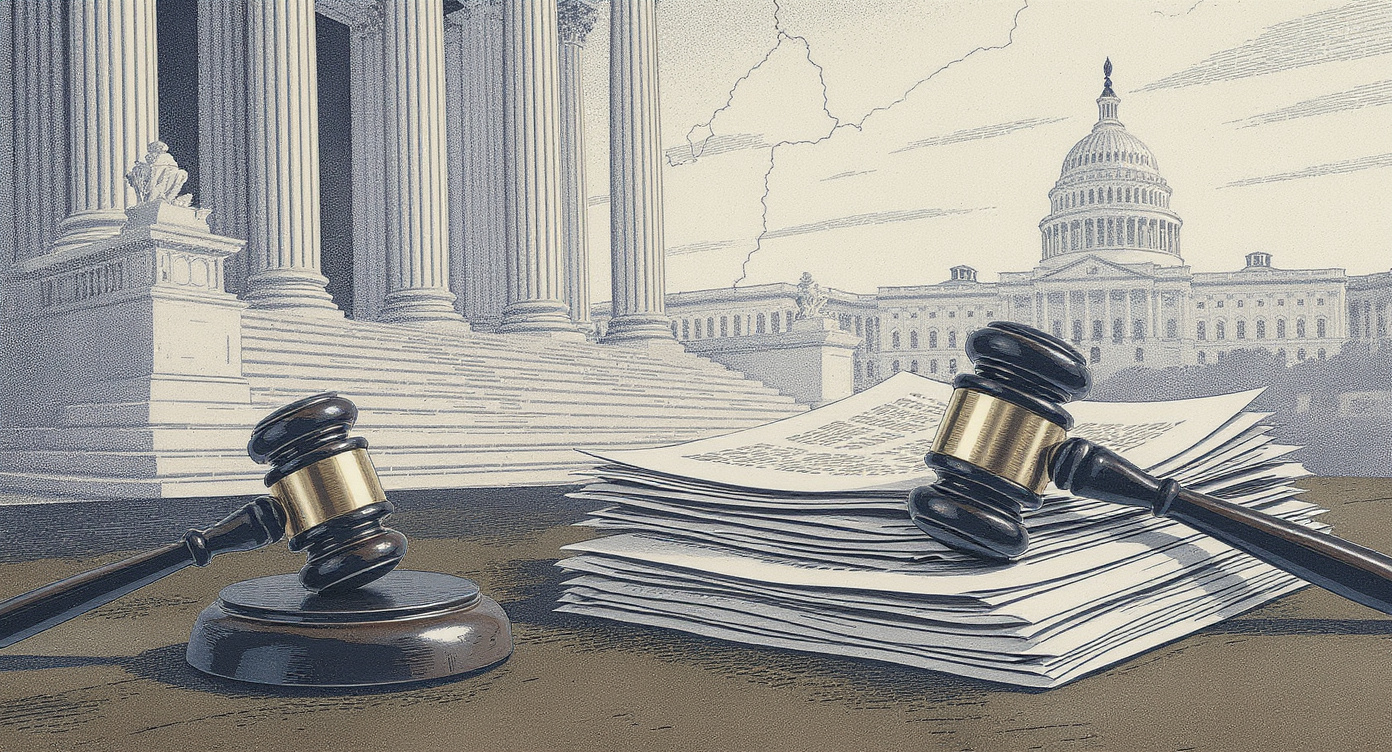
A federal judge on Monday permanently blocked Illinois’ first-in-the-nation law restricting interchange fees on card transactions, according to the ABA Banking Journal. The block ruled that federal law preempts the statute for national banks, federal savings associations, out-of-state banks, and payment card networks.
U.S. District Judge Virginia Kendall’s decision reversed her own prior conclusion upholding the core of the Illinois Interchange Fee Prohibition Act, after the Seventh Circuit Court of Appeals remanded the case in light of two new actions by the Office of the Comptroller of the Currency. The OCC had issued an interim final order asserting federal preemption and a separate interim final rule confirming national banks’ longstanding authority to charge certain fees — moves that fundamentally altered the legal landscape midway through litigation.
“While there is strong public interest for the people of Illinois to see their legislative determinations come to fruition, there is a stronger interest still in ensuring the Supremacy Clause is properly effectuated,” Kendall said.
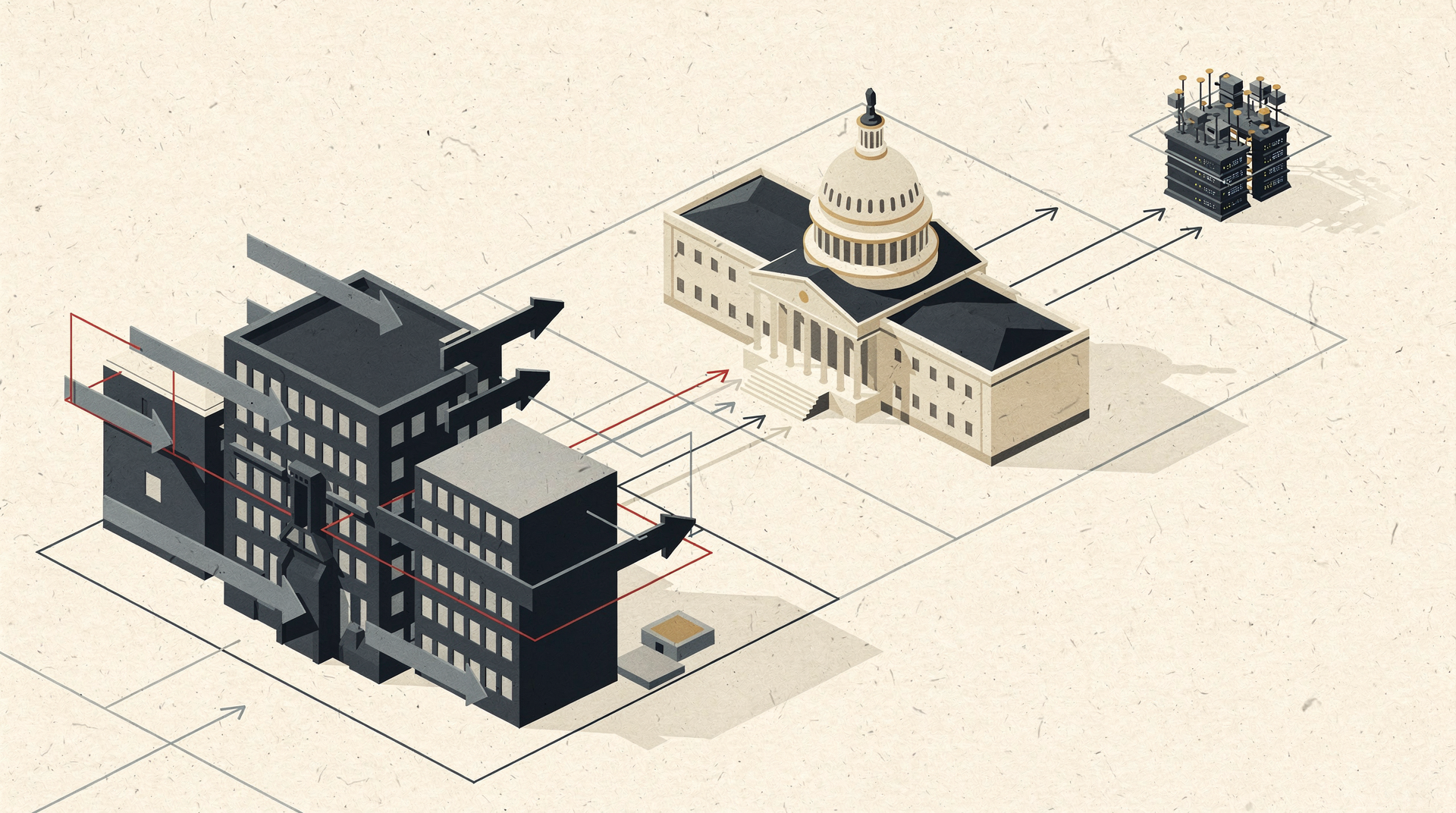
The procedural sequence is notable for its implications beyond Illinois. The OCC intervened during active litigation to issue preemption determinations that flipped the court’s analysis — a mechanism that demonstrates how federal agency action can effectively neutralize state financial regulation in real time.
Payments Dive reported that the OCC had urged the judge in a May 26 court brief to block the law, arguing that its preemption order would independently render the state statute moot. Illinois Attorney General Kwame Raoul countered that the OCC’s actions were “procedurally invalid” under the Administrative Procedure Act, contending the agency had failed to adhere to required rulemaking procedures. The court ultimately sided with the federal agency.
The permanent injunction does not cover all financial institutions. Credit unions, out-of-state chartered savings associations, and out-of-state chartered savings banks remain subject to the IFPA’s interchange fee prohibition, and Illinois-chartered banks were excluded from relief after the state invoked sovereign immunity.
The American Bankers Association and co-plaintiffs acknowledged in a joint statement that the ruling “does not fully resolve the challenges created by this law” and pledged to continue working through the courts “to ensure that all participants in the payments system are treated consistently.”
The decision arrives as several states weigh similar legislation. Colorado’s legislature passed a bill in May banning interchange fees on the sales-tax portion of card transactions, one of the most heavily lobbied bills of the state’s legislative session. Governor Jared Polis has not indicated whether he will sign or veto the measure. Banking industry groups have pointed to the Illinois litigation as evidence that such state laws face serious federal preemption obstacles.
Illinois lawmakers, anticipating the ruling, had already pushed back the IFPA’s effective date from July 1, 2025 to 2027 in a vote on Monday. The plaintiffs said they expect the Seventh Circuit to conduct further review and urged policymakers to preserve “a consistent, nationwide framework for electronic payments.”