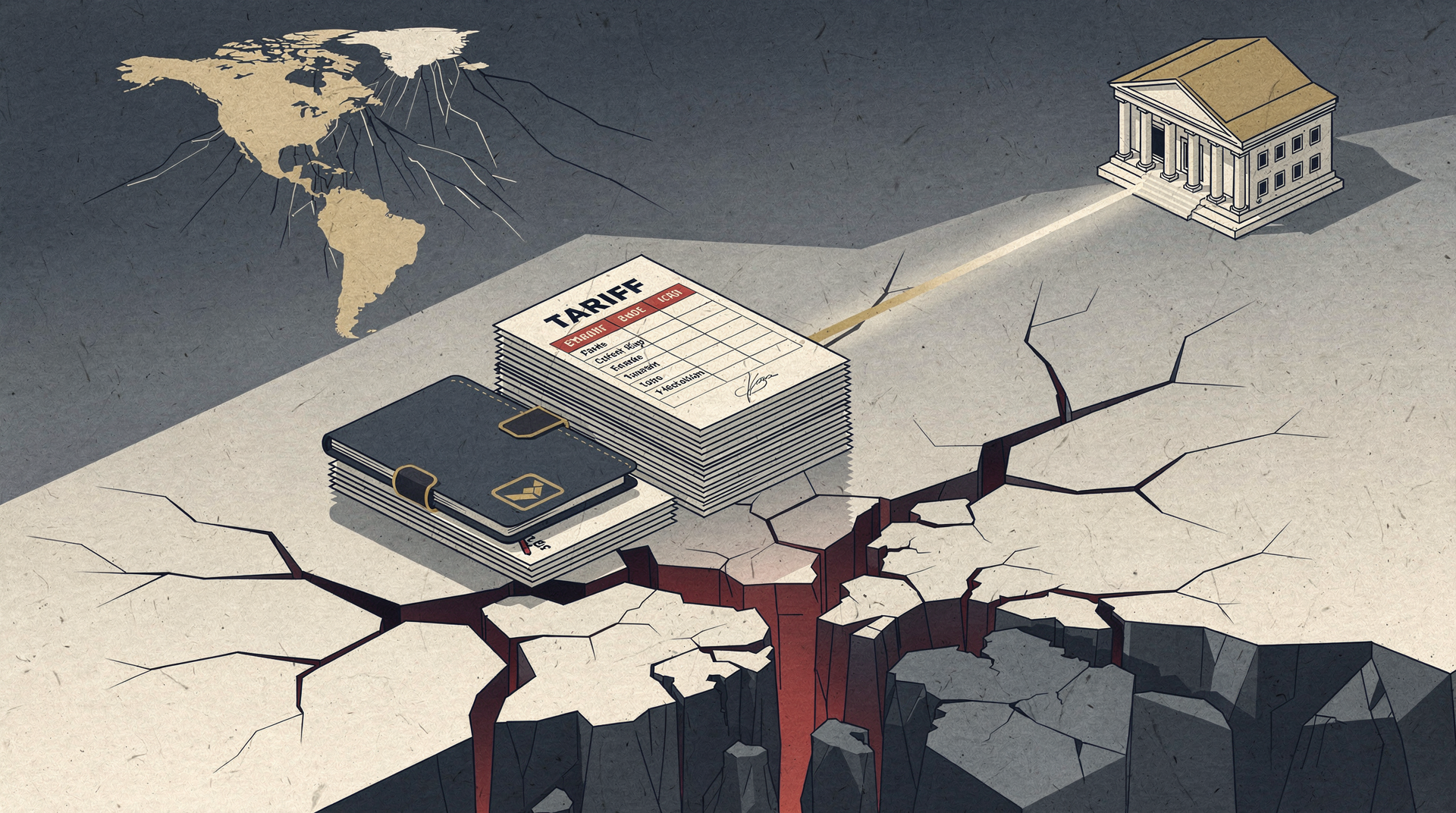
Colombian President Abelardo de la Espriella on Saturday publicly asked President Donald Trump to temporarily suspend tariffs on Colombian goods, framing the request as essential to the South American nation’s recovery from a 7.4-magnitude earthquake that has killed at least 289 people and displaced tens of thousands.
The appeal puts the Trump administration in a difficult policy position. Granting tariff relief to an ideological ally could invite similar demands from dozens of other nations subject to the same trade regime, while refusing could damage a relationship the president personally cultivated during Colombia’s contested June election. No formal White House response to the request has been reported.
De la Espriella, a right-wing lawyer-turned-politician who took office earlier this month, wrote on X that he had spoken with Trump for roughly 10 minutes and thanked him for U.S. humanitarian assistance before making the tariff ask. “I asked him to consider the temporary suspension of the high tariffs that affect Colombian products, in order to provide relief to our businesspeople, who are facing very difficult times due to the effects of the earthquake,” he said, according to reporting by WTOP News.
The earthquake struck western Colombia on Monday morning, devastating the cities of Pereira, Cali, and Quibdó. The government has reported 3,937 injuries, 143 missing, and more than 96,000 homes destroyed or damaged. The epicenter was in Chocó, one of the country’s poorest regions. The State Department has offered $26.5 million in humanitarian aid, including food, shelters, and health supplies.
U.S. tariffs on Colombian products rose from 10 percent to 12.5 percent in late July under Section 301 of the Trade Act of 1974, with limited exceptions for coffee and oil, according to CBS News. Those duties replaced earlier levies imposed under Section 122, which had been enacted after the Supreme Court struck down the administration’s initial tariffs under the International Emergency Economic Powers Act. The tariff architecture has been in flux since February, creating legal and procedural uncertainty about whether the president can unilaterally carve out humanitarian exceptions.
The political backdrop is unusually tangled. Trump endorsed de la Espriella in a closely contested runoff on June 21 against leftist candidate Ivan Cepeda. Since taking office, de la Espriella has joined the “Shield of the Americas,” an anti-cartel alliance organized by the White House, and has signaled plans for a military alliance with the United States and Israel. The alliance makes a tariff rebuff politically costly, but a suspension could undermine the administration’s argument that the current duties are a necessary enforcement tool against forced labor.
In Cali, Colombia’s third-largest city, rescue workers continued searching for more than 70 people reported missing, even as the critical 72-hour survival window has passed. “Miracles do happen,” said Cali Mayor Alejandro Eder.
How the administration responds — or whether it responds at all — will signal whether the tariff regime can flex under humanitarian pressure, or whether the policy is designed to hold regardless of circumstance. Congress, which returns from recess in September, has shown bipartisan interest in oversight of Section 301 authorities and could use any executive action — or inaction — as a flashpoint for hearings.