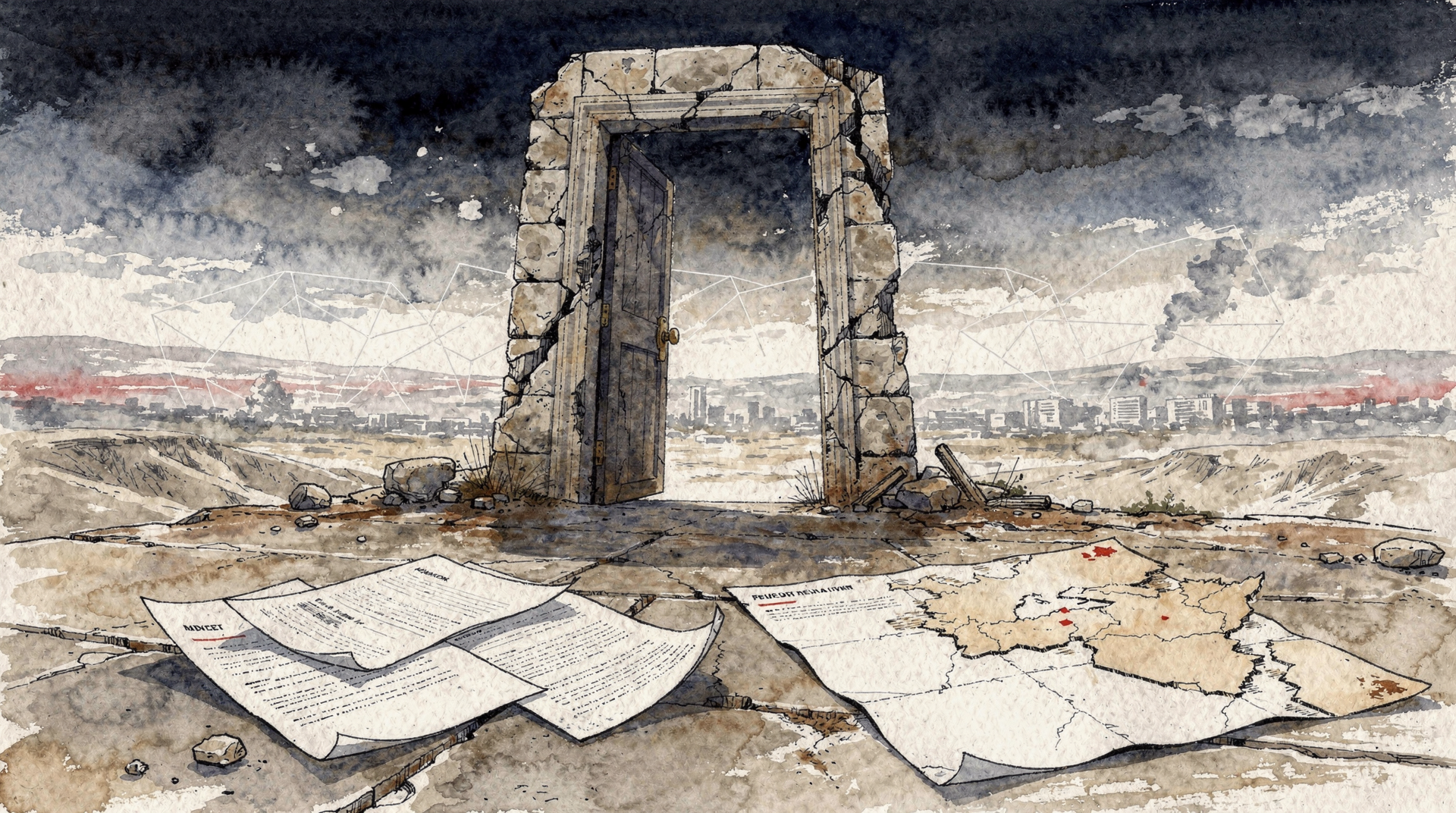


The U.S.-Iran Memorandum of Understanding has sidelined Israel at multiple levels, from the negotiations themselves to the text of the agreement and a new security mechanism for Lebanon. The White House has failed to adequately address the resulting damage, according to an analysis published Thursday by the Council on Foreign Relations.
The analysis, written by senior fellow Elliott Abrams — a former deputy national security adviser in the George W. Bush administration and former special representative for Iran and Venezuela during President Trump’s first administration — examines the agreement’s implications for U.S.-Israel relations.
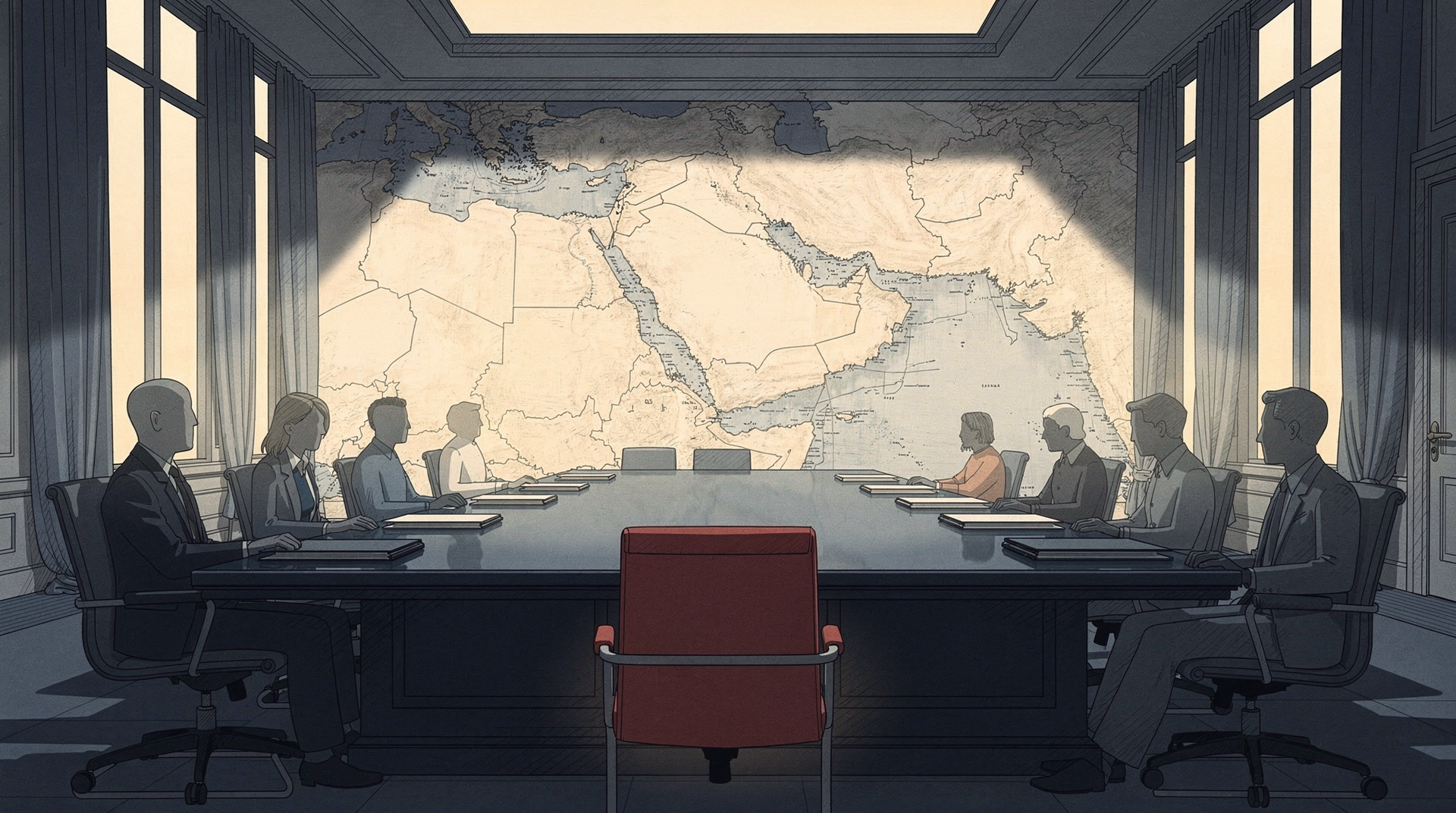
Abrams identified three areas where Israel was excluded. First, Israel did not participate in the negotiations between Washington and Tehran. Second, the MOU’s second paragraph mentions Lebanon three times but does not reference Israel, despite Israel’s conflict with the Iran-backed group Hezbollah in Lebanon. Third, a new Lebanon “deconfliction mechanism” announced during U.S.-Iran talks in Switzerland includes the United States, Iran, Pakistan and Qatar, but not Israel.
According to Abrams, the arrangement has drawn criticism in Israel. He cited polling that found 92.1% of Israelis surveyed believed Iran benefited the most from the MOU, while 86% viewed the agreement negatively. Abrams wrote that Israeli concerns include the lifting of U.S. sanctions on Iran, the absence of references to Iran’s missile program or support for proxy groups, and the decision to address nuclear weapons issues in future negotiations.
Abrams also compared recent statements by U.S. officials. In March, Secretary of War Pete Hegseth described Israel as a “steadfast partner” and praised cooperation between the two countries. Weeks later, Vice President JD Vance told Israeli critics of the agreement to “wake up and smell the reality of the situation that country is in.” Abrams wrote that Israel’s security interests are more directly affected by the agreement than those of the United States.
The Times of Israel reported that the proposed deconfliction mechanism would differ from the November 2024 Israel-Lebanon ceasefire framework brokered by the Biden administration, which included Israel, the United States, France and the United Nations.
Under the reported arrangement, Israel would be limited to responding to “imminent threats” rather than the broader “emerging threats” standard in the earlier framework. Prime Minister Benjamin Netanyahu said Israeli forces in southern Lebanon would retain “full freedom of action,” while Israel’s ambassador to Washington said he wanted additional clarification about U.S. policy and the new mechanism.
Abrams wrote that excluding Israel from negotiations can provide diplomatic flexibility and said Israel’s absence from the Lebanon talks could allow it greater freedom to act independently. However, he argued that such an approach requires private explanations and careful public messaging, which he wrote has not occurred.