Mayor Muriel Bowser issued a formal statement Sunday marking one year since the federal government launched what her administration calls the “Federal Surge” — an escalation of federal law enforcement and immigration enforcement operations within the District of Columbia that has defined the relationship between the city and the Trump administration throughout 2026.
The Aug. 10 statement from the mayor’s office framed the anniversary as a moment to assess the impact of sustained federal enforcement activity on District residents, neighborhoods and the city’s home-rule authority, according to the mayor’s newsroom.
The Federal Surge, which began in August 2025, brought an expanded presence of federal law enforcement agents into District neighborhoods for operations that included immigration enforcement, drug interdiction and public safety patrols. The initiative drew immediate objections from Bowser and members of the DC Council, who argued it bypassed the city’s elected government and its Metropolitan Police Department.
Over the past year, the escalation has touched multiple policy domains simultaneously. Immigration enforcement actions have increased across the District, public safety operations have at times overlapped or conflicted with MPD protocols, and civil liberties organizations have documented concerns about the scope of federal authority exercised within city limits.
The anniversary statement arrives at a moment of renewed urgency. The Aug. 5 expiration of Temporary Protected Status for Haitian nationals has triggered a new wave of ICE enforcement across the DMV region, and Montgomery County officials held a public briefing this week to address the local fallout. The convergence of these events highlights the persistent friction between federal enforcement priorities and the policies of local jurisdictions in the Washington area.
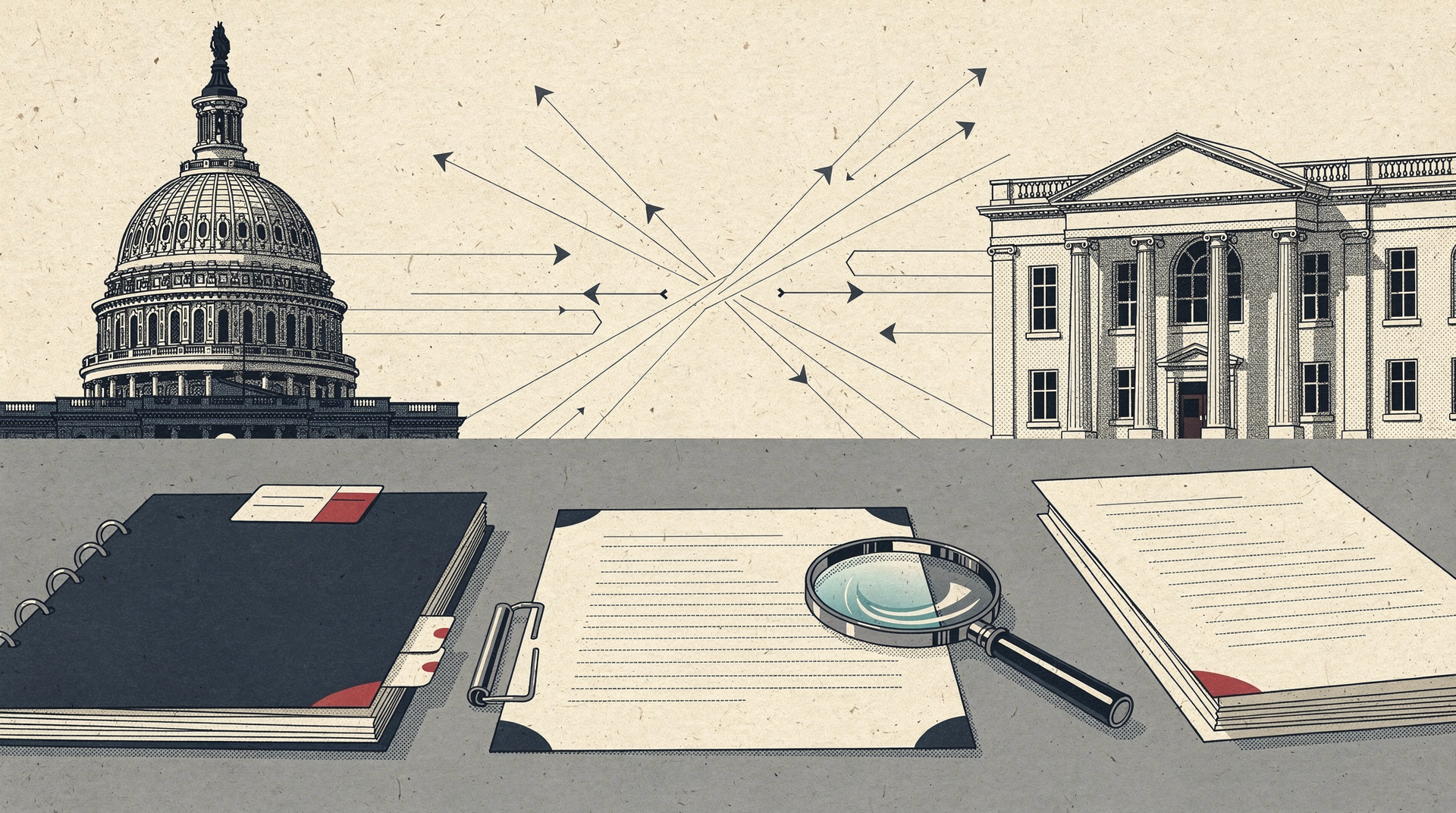
The District’s unique status as a federal district rather than a state complicates the legal framework. Unlike state governments, DC lacks full legislative autonomy; Congress retains oversight authority over District laws and spending, a dynamic that limits the tools available to the mayor and council when they disagree with federal enforcement actions carried out within city boundaries.
Bowser has previously directed District agencies to refrain from assisting federal immigration enforcement absent a judicial warrant, a policy that has drawn criticism from the administration. The DC Council has also considered legislative responses, though the extent and outcomes of those efforts over the past year were not detailed in the mayor’s statement.
For District residents, the Federal Surge has had both visible and less visible effects. Increased federal agent presence in certain neighborhoods has altered the daily experience of public space, while the immigration enforcement component has created anxiety in immigrant communities about routine interactions with government.
The one-year marker is unlikely to signal a resolution. With the administration continuing to assert broad federal enforcement authority in the District and local officials insisting on home-rule prerogatives, the tension is expected to persist as a defining feature of DC governance through at least the remainder of the current federal term.
Policy professionals, congressional staff and advocacy organizations tracking federal-local power dynamics will look to the Bowser administration for specifics on enforcement outcomes, legal challenges filed and legislative responses undertaken over the past 12 months.