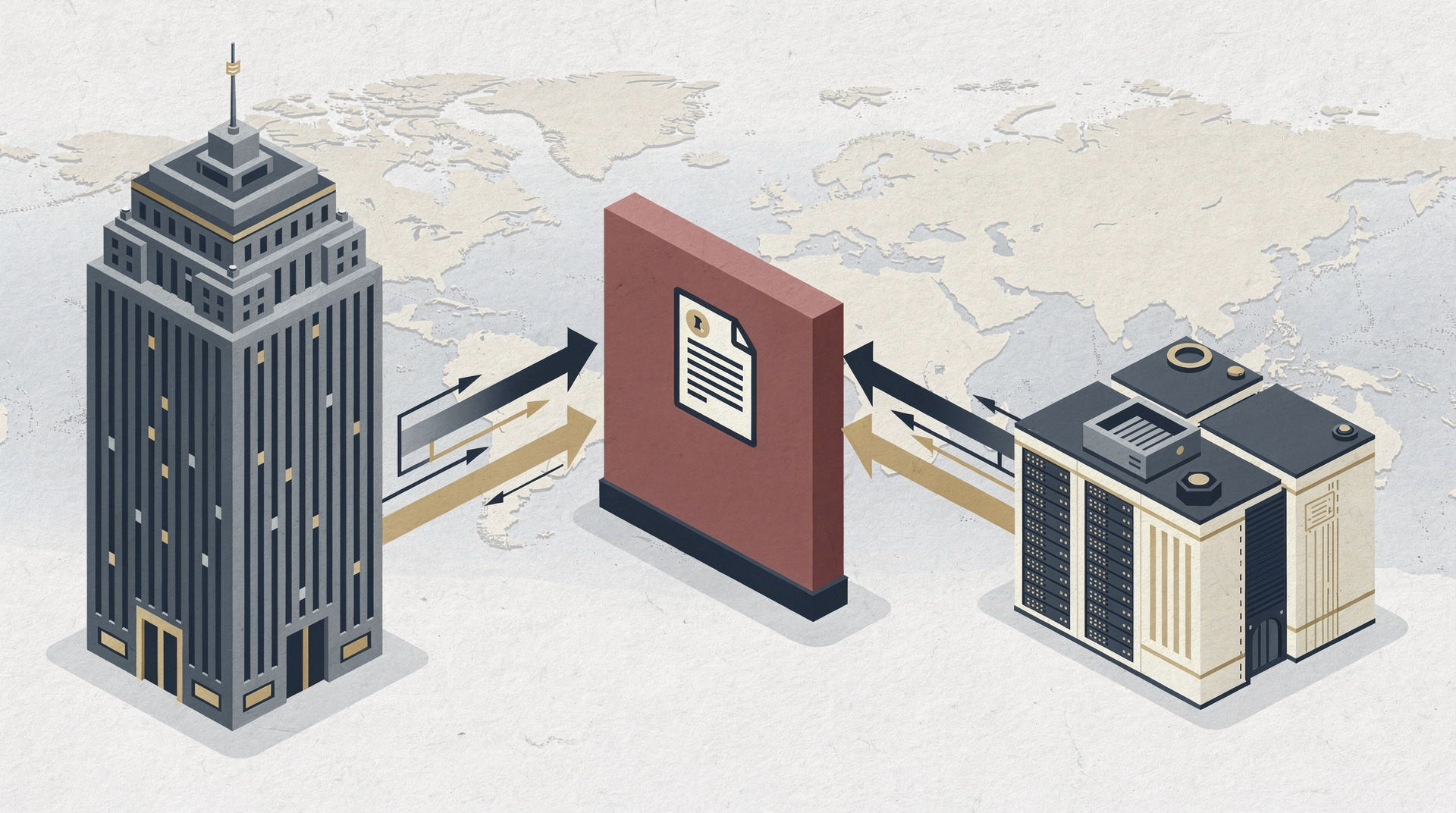
The Netherlands’ decision to block U.S. firm Kyndryl from acquiring Dutch cloud provider Solvinity over data sovereignty and CLOUD Act concerns represents a “barometer” for a widening transatlantic rift over digital infrastructure control, the Center for Strategic and International Studies warned in an analysis published this week.
The CSIS assessment, examining the Kyndryl-Solvinity case as a measure of escalating investment security reviews, found that European governments are increasingly subjecting U.S. technology investments to national security scrutiny rooted in concerns about American legal authorities over data.
At the center of the dispute is the Clarifying Lawful Overseas Use of Data Act, commonly known as the CLOUD Act, which was enacted in 2018. The law allows U.S. law enforcement and intelligence agencies to compel American companies to produce data in their possession, custody, or control — even when that data is stored on servers located in foreign countries.
For the Dutch government, the implication was clear: allowing an American company to acquire a Dutch cloud provider could give U.S. authorities a legal pathway to access data belonging to Dutch citizens, businesses, and government agencies stored on Dutch soil. The acquisition was blocked on national security grounds.
CSIS warned that the Kyndryl-Solvinity case is not an isolated incident but rather a signal of a structural trend. European governments — driven by the broader “tech sovereignty” movement — are building regulatory and investment screening frameworks designed to keep critical digital infrastructure under domestic or European control.
The trend poses mounting barriers for U.S. technology firms seeking to operate in or acquire European digital infrastructure companies. Cloud computing, data storage, managed IT services, and cybersecurity firms are all potentially affected as European investment screening mechanisms expand.
The analysis noted that this digital sovereignty rift is not being adequately addressed through existing diplomatic channels. Trade negotiations and summit diplomacy have focused on tariffs, defense burden-sharing, and traditional market access issues — but the data sovereignty question represents a fundamentally different kind of barrier rooted in legal architecture rather than tariff schedules.
For U.S. businesses operating in European markets, the practical takeaway is clear: acquisitions involving data infrastructure will face increasing scrutiny, and the CLOUD Act will remain a central concern for European regulators until a bilateral framework addressing cross-border data access is negotiated. No such framework is currently on the horizon.