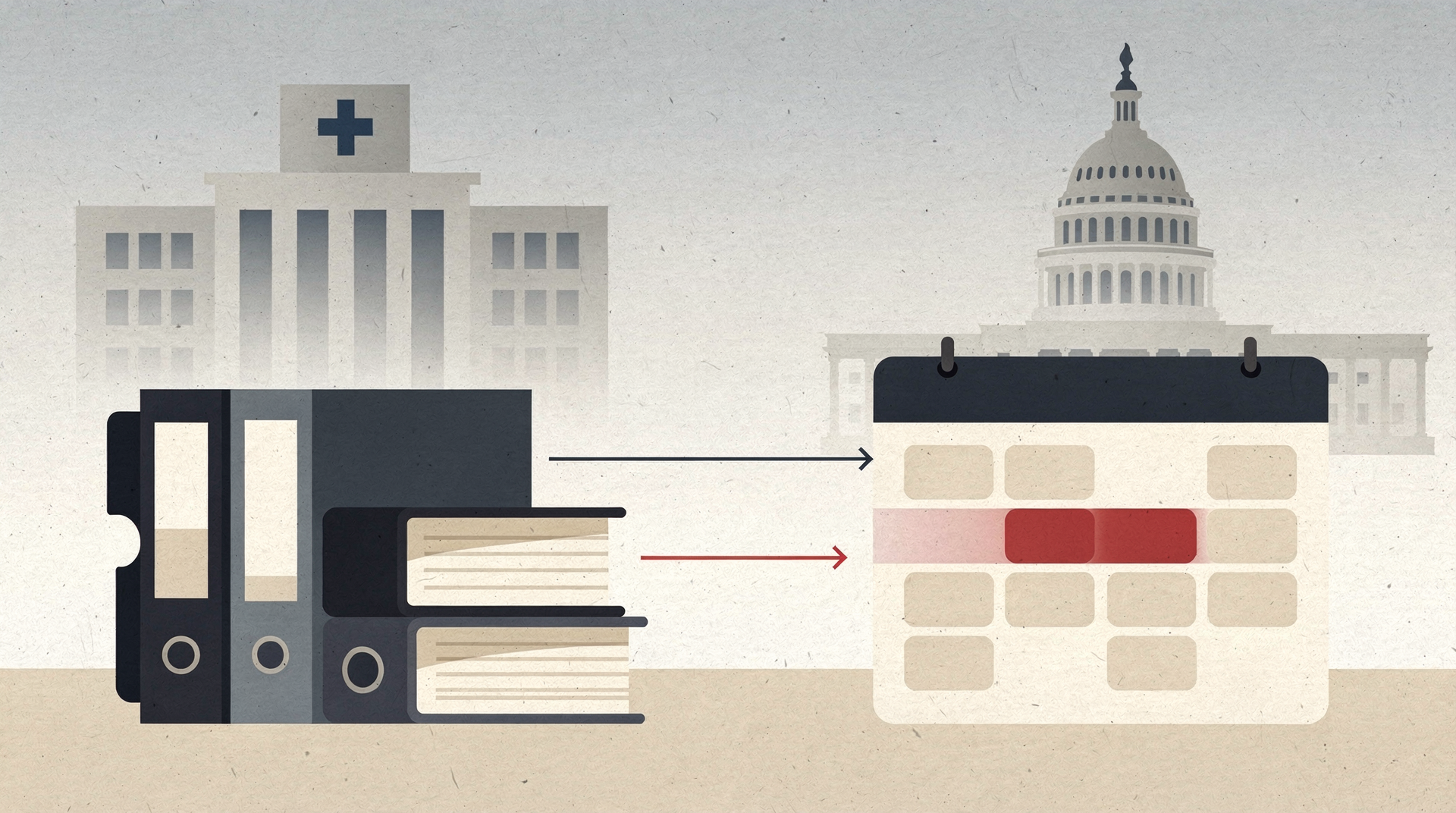
Sens. John Curtis (R-UT) and Jacky Rosen (D-NV) on Sunday introduced the Protecting Patient Access Act, bipartisan legislation that would allow Medicare beneficiaries to change insurance plans mid-year if their doctor is dropped from their network or their out-of-pocket prescription drug costs increase substantially.
The bill addresses a structural asymmetry in Medicare enrollment rules that has drawn growing scrutiny from patient advocates, providers, and regulators: insurers can modify provider networks and drug formularies during the plan year, but enrollees are generally locked in until the next enrollment window opens. Under current rules, the Annual Election Period runs from October 15 through December 7, with changes taking effect January 1 — meaning a senior whose cardiologist leaves the network in July may wait six months before switching to a plan that covers their doctor. The legislation would create a special enrollment period for Medicare Advantage, Medicare Part D, and individual market enrollees when their plan makes significant mid-year changes, according to a statement from Curtis’s office.
“When a Part D plan makes significant changes between enrollment periods, seniors shouldn’t be forced to live with a plan they didn’t choose for the rest of the year.” — Sen. John Curtis (R-UT)
Rosen called the legislation “just common sense,” saying patients should be able “to continue seeing the doctors they trust and protect them from getting priced out from the life-saving medicine they need.” She added: “It is crucial that Nevadans have access to the best and most affordable health care options available.”
The bill has the backing of the American Academy of Family Physicians. AAFP President Sarah C. Nosal said the legislation “will help patients prioritize their health and ensure relationships are maintained with trusted physicians and that access to necessary medications go uninterrupted.”
The problem the bill targets is widespread and growing. A New York Times investigation published in April found that hospitals and providers are leaving Medicare Advantage networks nationwide, “putting thousands of seniors at risk of higher costs and of losing trusted doctors.”
The same report documented the case of a North Carolina patient whose 20-hospital health system dropped out of her Humana Medicare Advantage plan, forcing her to choose between her longtime doctor and the supplemental benefits her plan provided.
The Times report found that CMS had proposed a regulatory fix in November allowing enrollees to switch plans after mid-year network changes, but the agency abandoned the proposal earlier this year without explanation — a reversal that makes the legislative path Curtis and Rosen are pursuing more urgent.
A May 2026 analysis from KFF documented CMS simultaneously rolling back several other consumer protections in its 2027 Medicare Advantage final rule, including rescinding a requirement that plans notify enrollees of unused supplemental benefits mid-year and eliminating marketing safeguards — changes that run counter to the consumer-protection goals of the Curtis-Rosen bill and that have drawn concern from state insurance officials and patient advocacy groups.
The legislation’s cross-party sponsorship positions it as a viable vehicle in a Congress where healthcare costs and insurance plan design remain top voter concerns heading into the midterms. For the insurance industry, the bill introduces a new competitive pressure: plans that make aggressive mid-year network or formulary changes risk losing enrollees rather than retaining a captive customer base.
Whether the bill advances through committee or becomes a template for broader Medicare enrollment reform will depend on how the industry responds — and whether CMS’s decision to shelve its own regulatory fix creates political space for a legislative alternative.