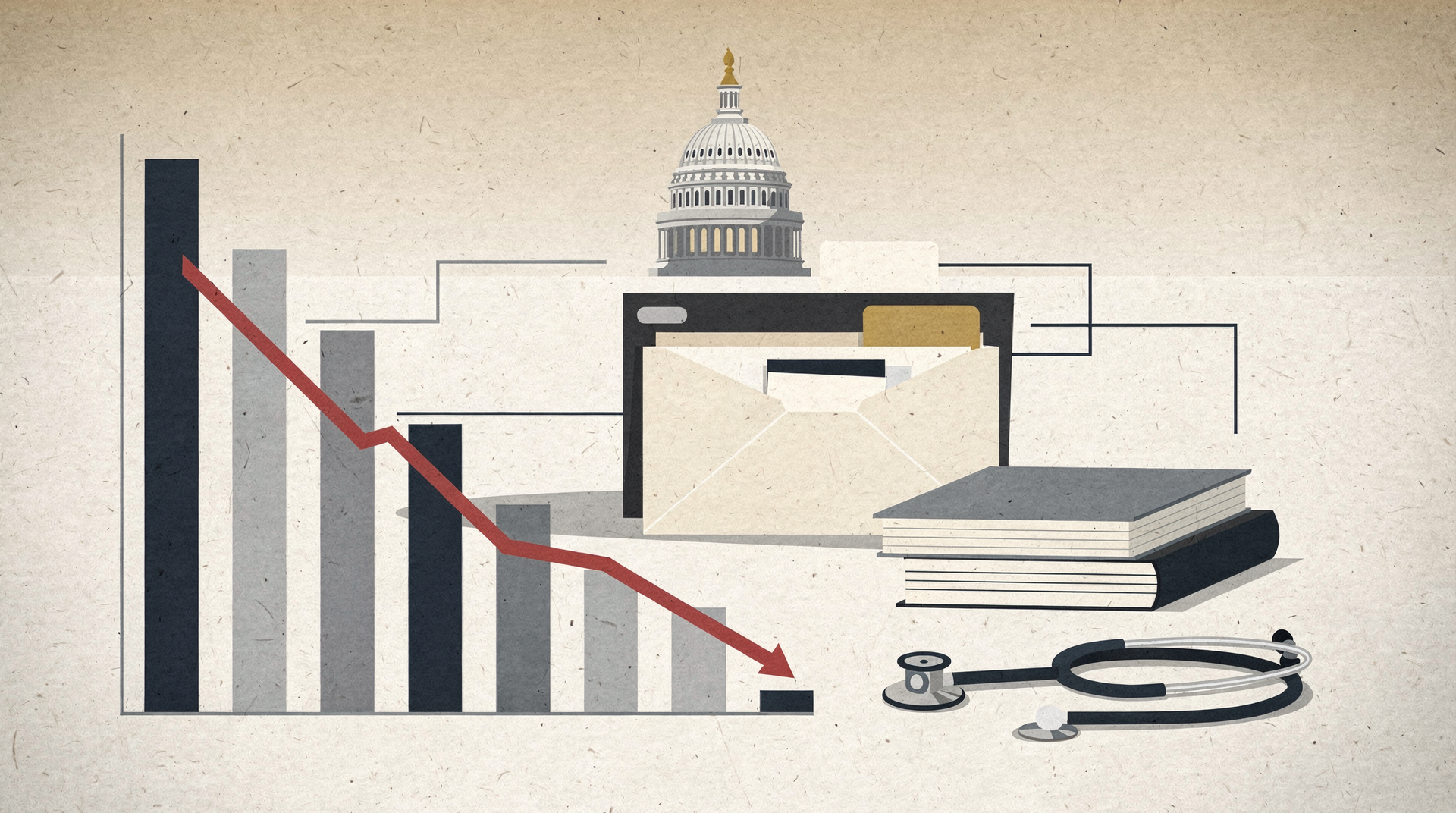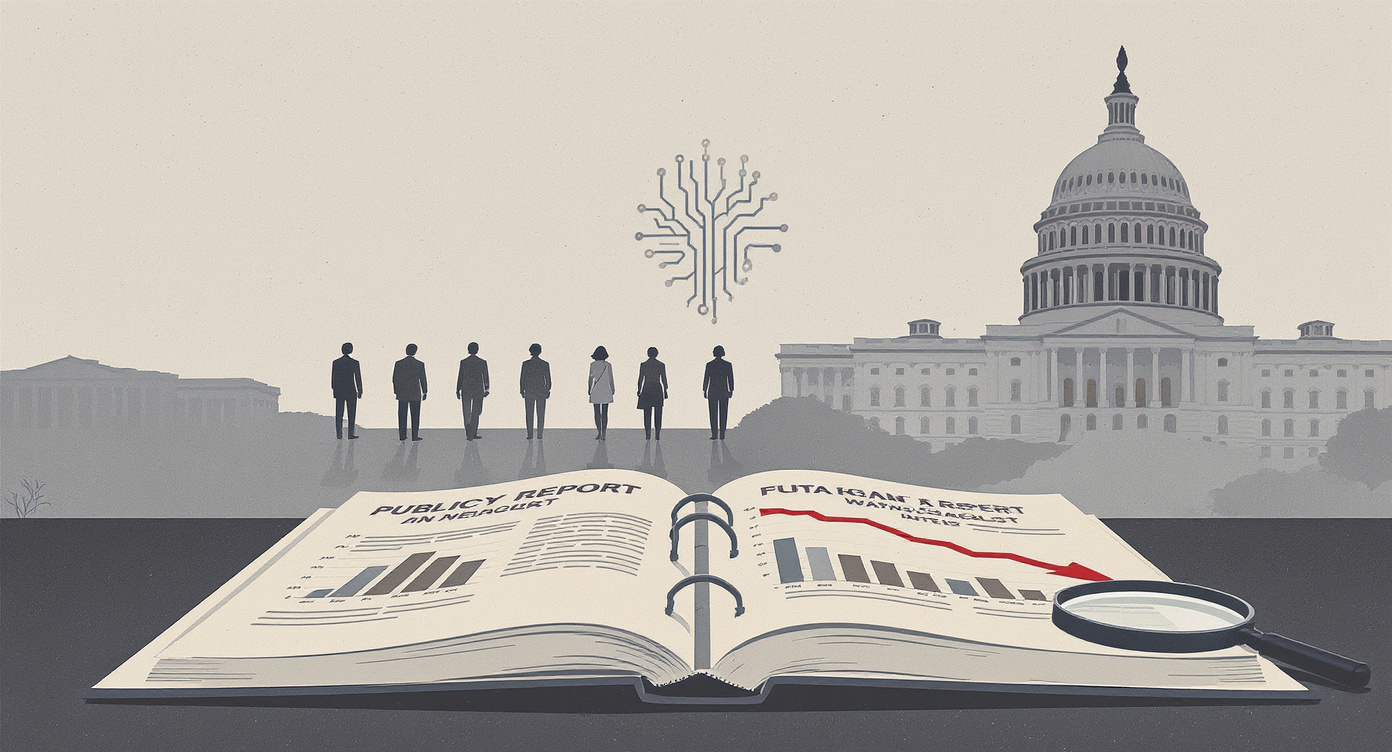
Sixty percent of Americans distrust artificial intelligence, with young Americans among the most skeptical, according to a comprehensive blueprint released Sunday by the Atlantic Council’s Commission on Artificial Intelligence. The blueprint warned that the public trust deficit is undermining the nation’s ability to compete with authoritarian rivals leveraging the technology to consolidate domestic control and extend influence abroad.
The Commission, whose industry members represent $18 trillion in U.S. stock market capitalization, released recommendations across six domains — innovation, talent, governance, supply chain, energy, and allied partnerships — along with seven cross-cutting imperatives. But its most politically significant finding was that public resistance to AI has moved well beyond elite discourse into street-level protest and bipartisan voter anxiety.
A companion Atlantic Council analysis reported that thousands of residents recently protested against AI in Salt Lake City, and that college graduations across the country have featured boos at mentions of the technology — signals that backlash extends into conservative states and younger demographics. The report framed these developments not as fringe reactions but as symptoms of a legitimacy crisis that, left unaddressed, would constrain federal AI policy regardless of which party controls Washington.
“US leadership in AI will not be determined by any single action, but by many actions pursued through a connected, coherent, and comprehensive approach,” the Commission said. “Critically, that leadership must be grounded in public trust as a foundational element across all six domains.”
The distrust findings track with independent survey data. A nationally representative poll by the Annenberg Public Policy Center of the University of Pennsylvania published in May found that only 17% of Americans believe AI will have a positive impact over the next decade, while 42% expect negative effects. Nearly 65% said the government has done “too little” to regulate AI, a view shared by 77% of Democrats, 72% of independents, and 53% of Republicans. Forty-nine percent oppose construction of new data centers in their area.
The pessimism is distinctly American. The Christian Science Monitor reported Sunday that in countries such as China and South Korea, majorities view AI positively, while the United States ranks near the bottom globally in AI optimism. Stanford’s AI Index found that only about 3 in 10 Americans trust their government to regulate AI — the lowest score among 35 countries surveyed. Experts attributed the gap partly to the absence of a clear public narrative connecting AI to tangible benefits for ordinary Americans, in contrast with countries where governments have tied AI development to specific national priorities.
For Congress, the Commission’s blueprint arrives at a moment when AI policy remains one of the few areas where partisan lines have not fully hardened. The Senate Intelligence Committee and House Intelligence Committee have both signaled interest in comprehensive AI legislation, and the public trust data gives lawmakers a politically grounded rationale for action that transcends the usual industry talking points.
Whether the establishment’s push to get ahead of the backlash succeeds will depend on whether policymakers can deliver the “clear guardrails and tangible benefits” the Commission says are prerequisites for public acceptance.