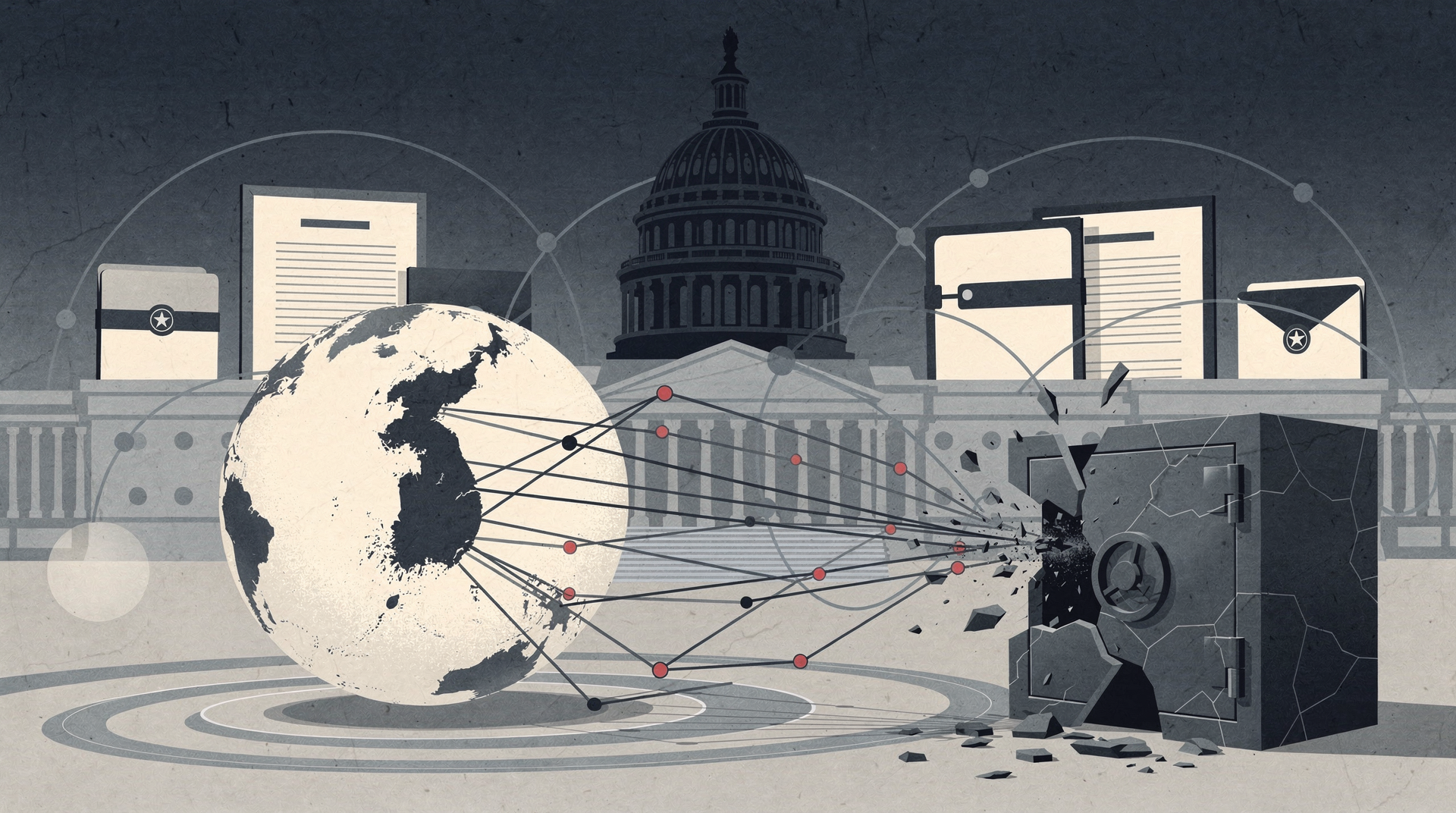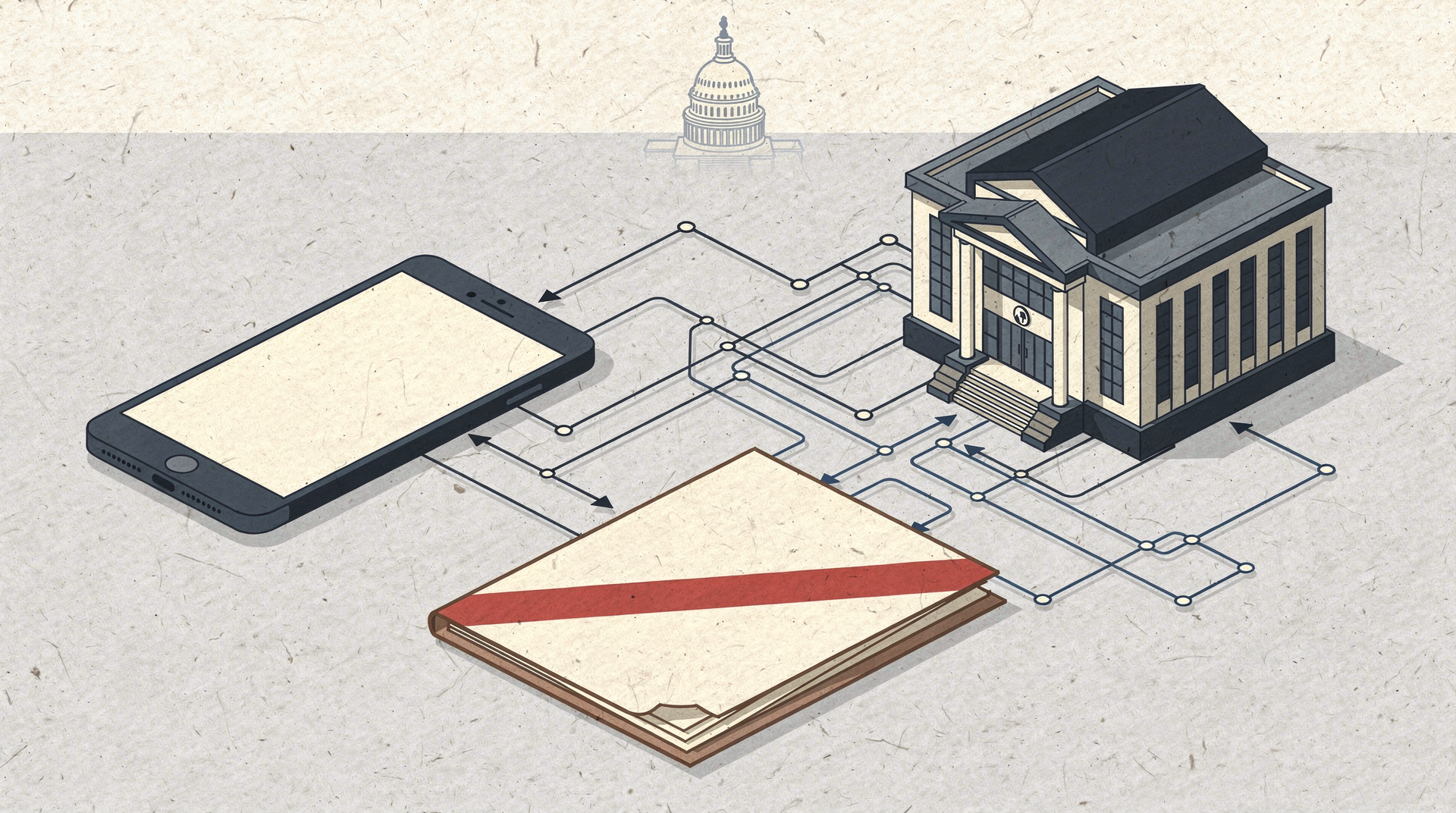
The Bureau of Alcohol, Tobacco, Firearms and Explosives on Thursday cancelled its contract for a surveillance tool that enabled warrantless tracking of Americans’ mobile devices, following bipartisan pressure from Sen. Ron Wyden (D-OR) and Rep. Michael Cloud (R-TX) that both lawmakers called a major privacy victory.
But the details of the cancelled contract underscore how far the federal government’s use of commercially available surveillance data has already gone — and how little law currently prevents it from happening again.
The tool in question, called Webloc, is made by a vendor named Penlink and sources location data from consumer apps and advertising networks — the same pipeline that powers targeted mobile ads. According to a CyberScoop investigation, ATF had already conducted more than 340 searches using Webloc, including over 222 that were directly tied to active criminal case numbers, before the contract was terminated. ATF Director Robert Cekada had acknowledged the program’s existence during congressional testimony in May, describing it as “an ad-tech type thing” that provided geolocation data “based on the ads that go through.”
An ATF spokesperson confirmed the cancellation, calling it “a limited pilot project for capabilities the agency was no longer seeking.” The bureau added that it is “not currently using any other ad-tech-sourced services.” In at least one instance — a suspected arson case involving a defense contractor — both the assigned prosecutor and judge expressed “serious discomfort” with the use of warrantless ad-tech data, and ATF ultimately sought a traditional court order for cell tower records instead.
“Canceling this contract is a victory for Americans’ constitutional rights, but Americans’ privacy shouldn’t depend on ad hoc congressional interventions,” Wyden said in a statement. “Congress must pass the Government Surveillance Reform Act to close the data broker loophole once and for all.”
The ATF cancellation is the latest in a pattern. Wyden has previously led campaigns that forced ICE and DHS to back down from similar warrantless location data purchases. Earlier this year, he led a group of 70 congressional Democrats calling for an investigation into commercial location data acquisitions at Immigration and Customs Enforcement.
The Associated Press reported that the Supreme Court ruled in 2018’s Carpenter v. United States that police need a warrant to obtain historic movement data from cellphone carriers — but the court has never addressed the growing practice of government agencies purchasing commercially available location data from data brokers, creating a legal gap that agencies have exploited. Wyden’s office noted that several states have already made the sale of sensitive location data to government agencies illegal, and that the Federal Trade Commission has found such sales constitute deceptive and unfair trade practices under the FTC Act.
The bipartisan nature of the effort — pairing Wyden, a progressive Democrat, with Cloud, a conservative Texas Republican — suggests that warrantless commercial surveillance may be one of the few privacy issues capable of generating cross-party legislative momentum. But absent passage of comprehensive federal legislation, the pattern of ad-hoc, contract-by-contract, agency-by-agency interventions is likely to continue — and the next Webloc contract at a different agency may not attract the same congressional scrutiny.