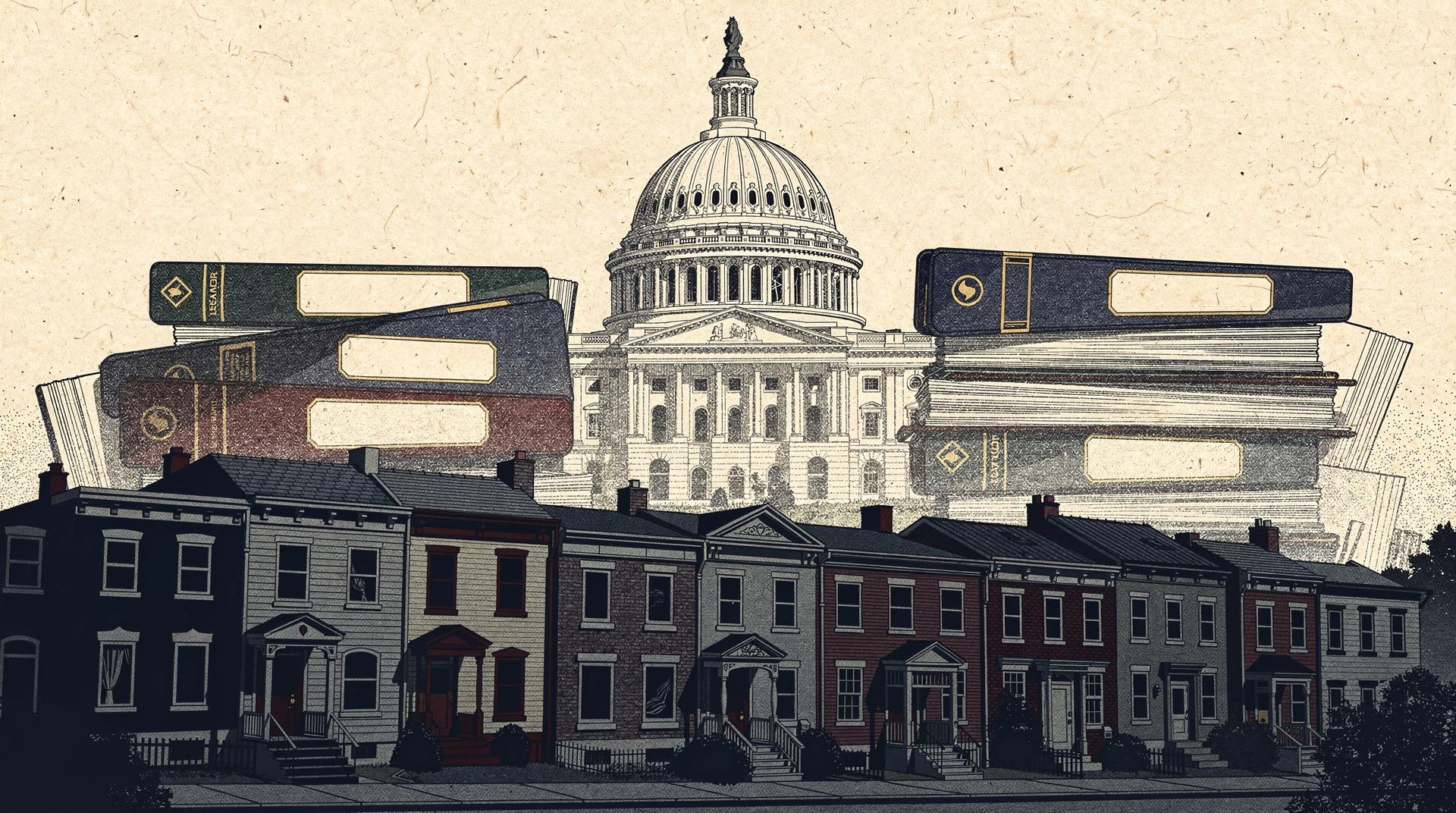
The DC Fiscal Policy Institute published a pointed analysis this week arguing that nearly 700,000 District residents continue to pay federal taxes without voting representation in Congress — a disparity the organization says is made worse by an active House committee effort to strip the city of control over its own tax code.
The commentary, timed to coincide with America250 celebrations marking the nation’s 250th anniversary, frames the District’s lack of congressional representation as a foundational democratic failure that Congress is deepening rather than correcting.
At the center of DCFPI’s argument is a bill advanced by the House Oversight Committee that would override the District’s authority to set its own tax policy. The organization describes the legislation as “the third attack on DC’s budget autonomy in less than two years,” part of a pattern of congressional interventions that undermine the District’s ability to manage its own finances.
The analysis connects the statehood question directly to fiscal governance, contending that without voting members in the House and Senate, District residents have no recourse when Congress moves to alter local tax structures, spending priorities, or regulatory frameworks.
For trade associations, businesses, and nonprofit organizations operating under DC’s regulatory and tax framework, the implications are practical. Changes imposed by Congress to the District’s tax code could affect commercial tax rates, incentive structures, and the predictability of the local business environment.
DCFPI’s commentary adds to a body of advocacy from District-based policy organizations that have intensified their arguments as America250 events draw national attention to the country’s founding principles. The House Oversight Committee bill faces additional procedural steps before reaching the full House floor, but its advancement signals continued congressional appetite for exercising control over District governance.