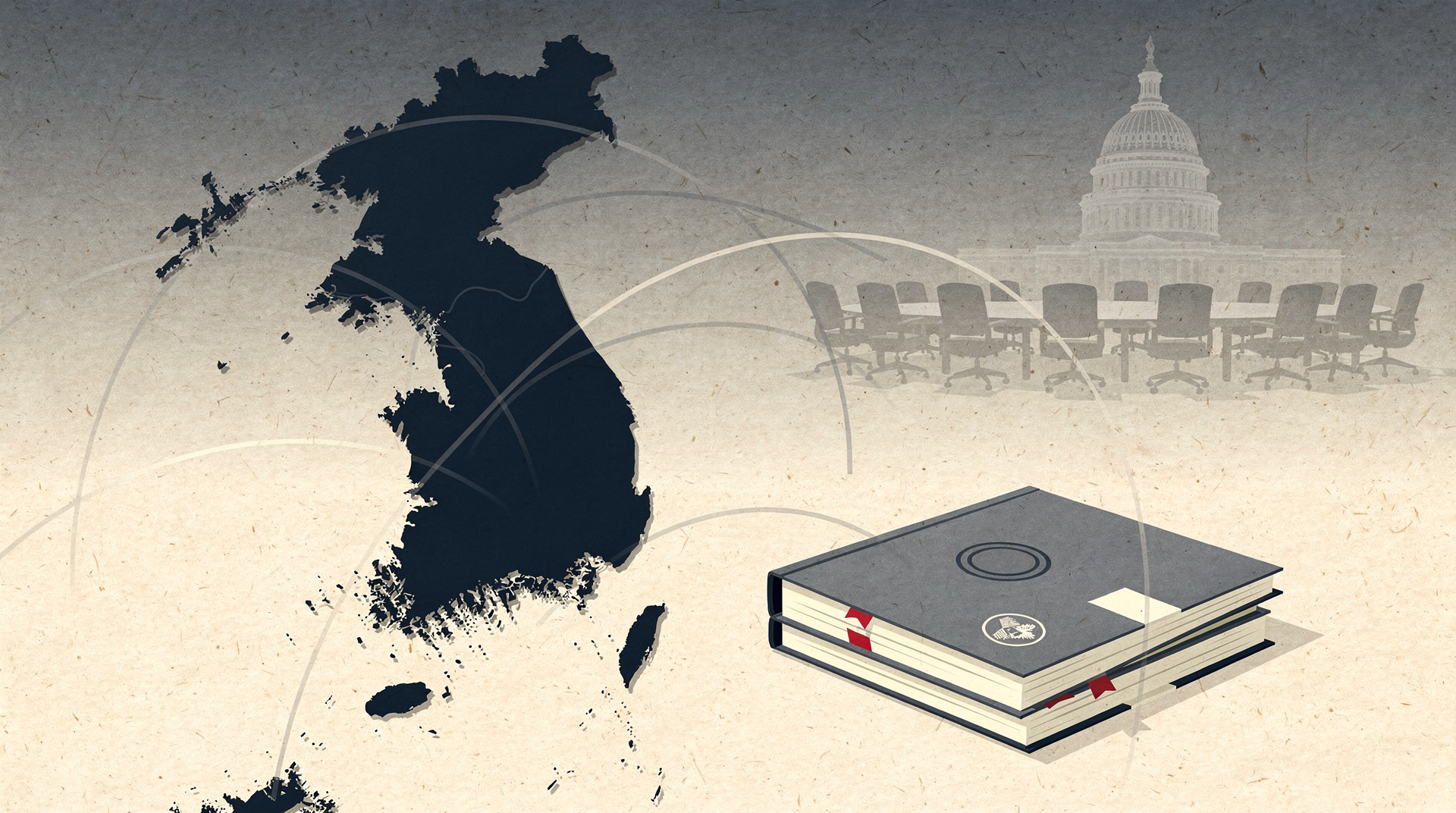
WASHINGTON — A new assessment from the Center for Strategic and International Studies published on Wednesday examines the prospect of renewed U.S.-North Korea summitry, prompted by President Trump’s reported comments to South Korean President Lee Jae Myung at the June 2026 G7 indicating plans to restart diplomatic engagement with Pyongyang, according to a CSIS Critical Questions analysis by Victor Cha.
Cha, a former National Security Council director for Asian affairs, writes that North Korea has closely studied the collapse of the Iran nuclear agreement and drawn a consequential lesson: Pyongyang is likely to seek de facto recognition as a nuclear weapons state rather than negotiate away its arsenal in exchange for sanctions relief. That calculation fundamentally alters the diplomatic landscape compared with the 2018–2019 round of Trump-Kim summits.
The analysis notes that any renewed summit process would trigger a cascade of diplomatic activity across the Indo-Pacific. U.S. embassies in Seoul, Tokyo, and Beijing would be central to coordination efforts, while allied governments — particularly South Korea and Japan — would seek assurances about consultation and the terms of any bilateral deal between Washington and Pyongyang.
A potential Japan dimension adds further complexity. Cha’s assessment raises the possibility of North Korean outreach to Japanese Prime Minister Takaichi, which could open a parallel diplomatic track involving the long-unresolved issue of Japanese citizens abducted by North Korea decades ago.
For the Korean Peninsula security environment, the stakes are considerable. A summit process could prompt adjustments to U.S. force posture, shifts in sanctions enforcement, and recalibrations of allied defense planning — outcomes with direct implications for the tens of thousands of U.S. military personnel and civilian employees stationed in the region.
The analysis underscores that the post-Iran diplomatic landscape has reshaped proliferation calculations globally, making any future nuclear negotiation with North Korea materially different from previous rounds.