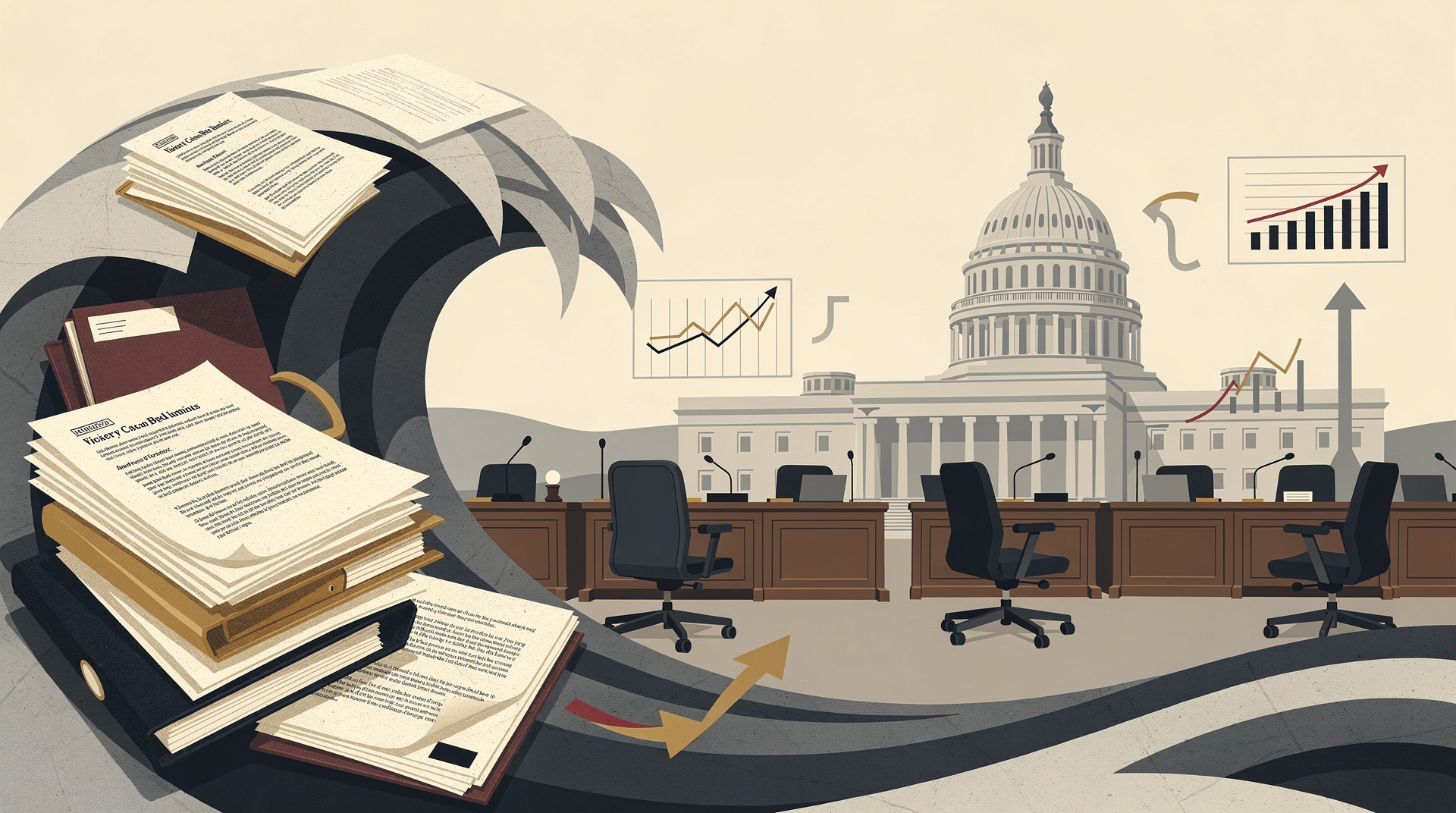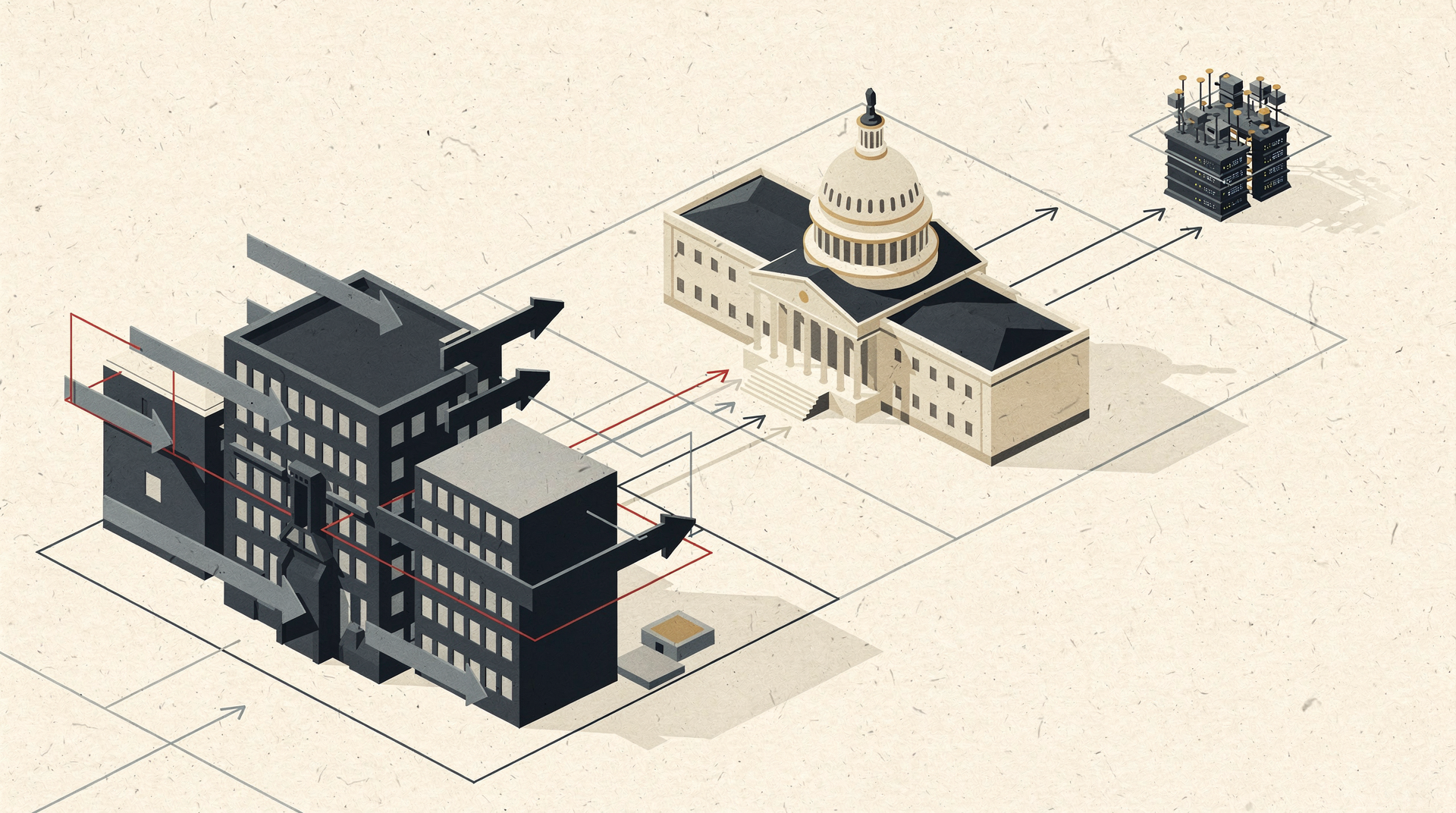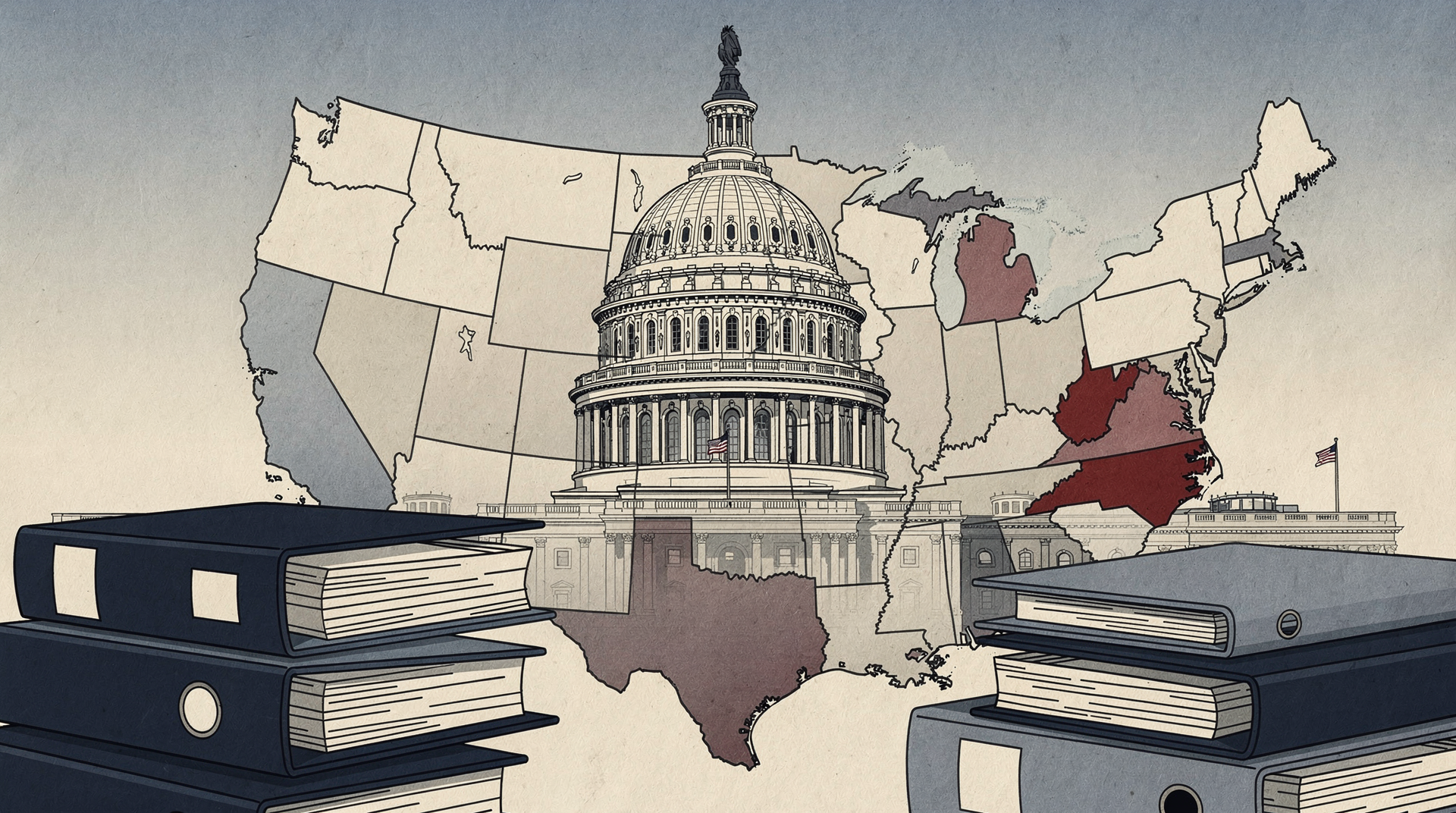


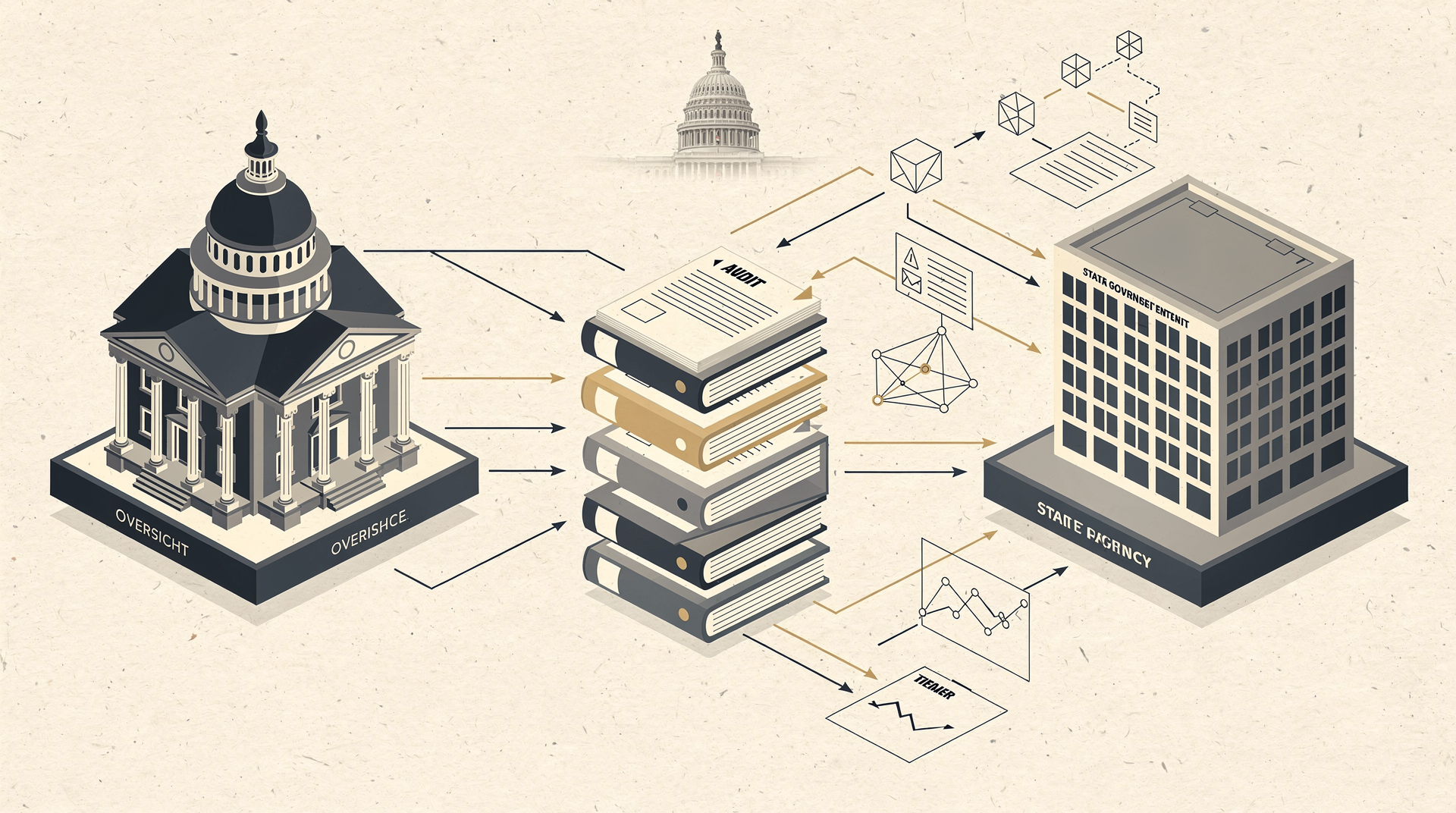
Illinois became the first state to require independent third-party audits of frontier artificial intelligence developers after Gov. JB Pritzker signed the AI Safety Measures Act into law, according to a discussion of the legislation on the Center for Strategic and International Studies’ AI Policy Podcast published Wednesday.
The law took effect just days after the Trump administration lifted export controls on Anthropic’s most advanced AI models, highlighting the growing divide between state efforts to impose AI safety requirements and the federal government’s approach to regulating the industry.
Gov. JB Pritzker signed SB 315 on July 6, calling it “the strongest AI safety and accountability bill in the nation.” The bipartisan law requires AI developers generating more than $500 million in annual revenue to publish safety frameworks addressing catastrophic risks, submit transparency reports before deploying new frontier models, and undergo annual independent third-party audits. The measure goes beyond similar laws enacted in California and New York in 2025.
The law defines catastrophic risk as incidents that could cause death or serious injury to more than 50 people or more than $1 million in property damage.
“As AI systems become more powerful and the federal government is unwilling to step in, states have a responsibility to protect our people from the dangers of AI while still harnessing the unique potential of the technology,” Pritzker said in a statement. Illinois Attorney General Kwame Raoul said the legislation fills a federal oversight gap in “this crucial area of security.”
The measure takes effect Jan. 1, 2027, and applies to AI developers with more than $500 million in annual revenue, including Anthropic and OpenAI, both of which publicly endorsed the legislation before it passed the Illinois General Assembly in May.
At the federal level, Commerce Secretary Howard Lutnick on June 30 notified Anthropic that its Fable 5 and Mythos 5 models would no longer require export licenses, ending an 18-day restriction that had temporarily limited international access to the company’s most advanced systems.
According to TechCrunch, Anthropic agreed to continue proactively identifying security risks and cooperating with government protocols for future model releases, commitments the company said it had already adopted before the export controls were imposed. The restrictions were lifted as competitors in Asia introduced AI models with similar capabilities.
The differing approaches reflect the broader debate over AI governance. During an AI policy podcast published Wednesday, the Center for Strategic and International Studies discussed the evolving regulatory landscape, including Anthropic’s allegations that Alibaba attempted a large-scale adversarial distillation attack on its Claude models and OpenAI’s proposal for the federal government to receive a 5% ownership stake in the company.
Congress has not enacted a comprehensive federal AI regulatory framework, and lawmakers remain divided over whether federal legislation should preempt state AI laws. As Illinois joins California and New York in adopting frontier AI regulations, companies operating nationwide may increasingly face complying with multiple state requirements unless Congress establishes a uniform national standard.