More than 1,561 AI-related bills were proposed at the state and local level in the first six months of 2026, intensifying a constitutional fight over whether federal preemption of state AI regulation would violate the foundational principles of American federalism, a William & Mary law professor said.
Margaret Hu, the Davison Douglas Professor of Law at William & Mary Law School, said the legislative surge reflects constituent demand for protection from rapidly developing AI systems — and that the activity is federalism functioning as designed.
“My understanding is in the first six months of 2026, it’s been over 1,561 proposed laws,” Hu said. “It’s a lot. But I think that it’s because there’s a sense that we need to get it right, that we need to protect the people.”
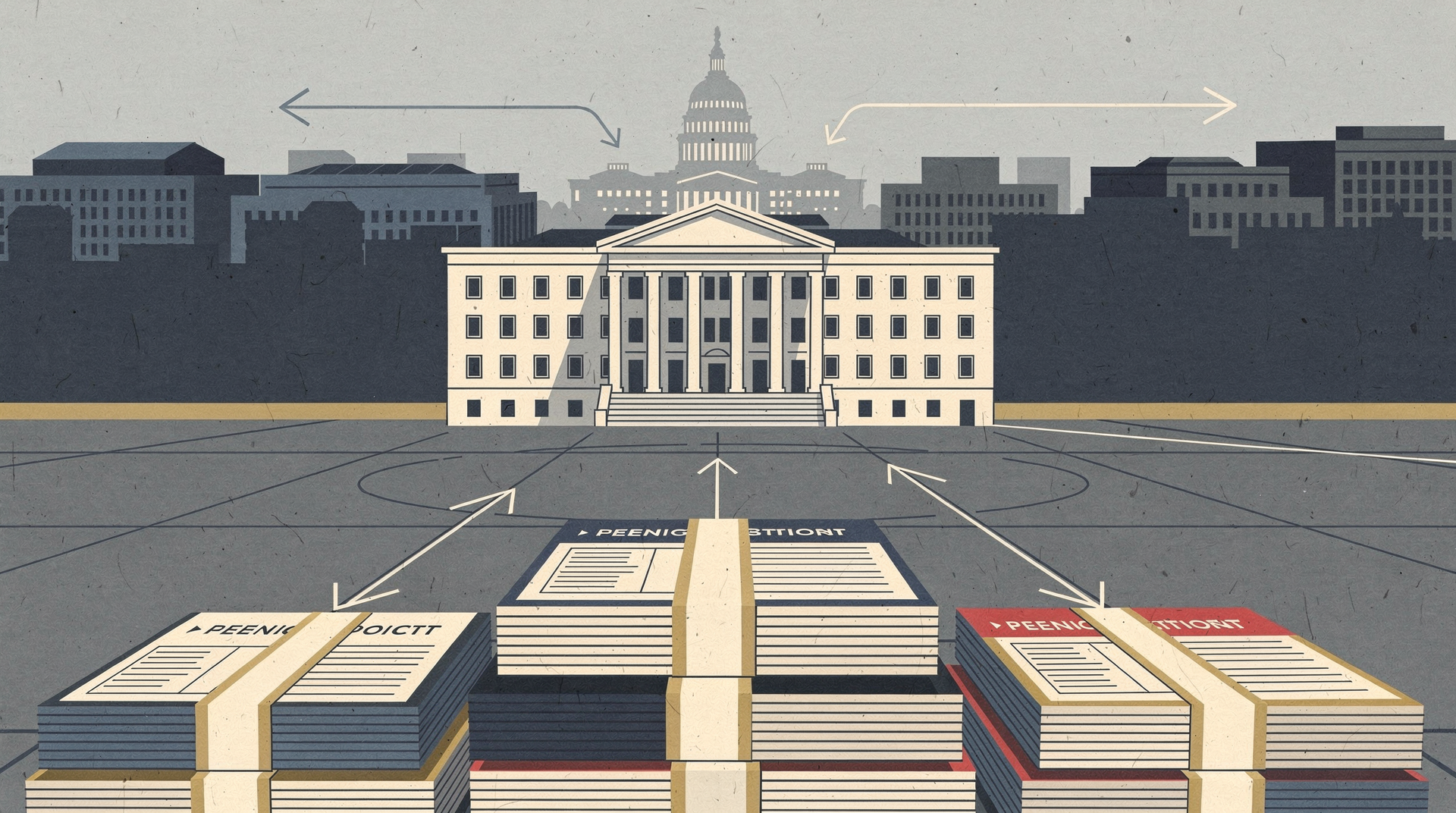
Hu said she is concerned that federal efforts to shut down state AI regulation — in the absence of a comprehensive federal AI statute — would conflict with the Constitution’s structure of divided sovereignty.\
“I am deeply concerned about these efforts to shut down state and local governments from that experimentation,” she said. “I do think that that goes against the 9th and 10th Amendments. I think that it goes against the structure of federalism and the protection of that type of accountability.”
Hu acknowledged that not all AI policy is suited to state-by-state governance. She said national security and interstate commerce may warrant federal primacy, and that the dormant Commerce Clause limits states from interfering with commercial activity crossing state lines.
But she said the absence of federal legislation means the constitutional default remains with the states.
“If there were federal laws in place and there was strong preemption language in the text of some omnibus statute that was trying to regulate AI development and deployment, that’s one thing,” Hu said.
Hu said the founders deliberately accepted slower governance as the price of preventing dangerous concentrations of power.
“The founders and their genius created a system that was intended to incentivize slow, deliberative, intentional consensus building,” she said.
Hu is the author of AI Law and Policy, a 1,000-page textbook published by Aspen Publishing covering domestic and international AI regulatory frameworks.